


OpenAI Expands Into Hardware With Multiple New AI Devices
Reports say that OpenAI is working on a number of hardware devices that use AI. More than 200 people are working on the early stages of product development. The project shows that the company is going to grow a lot beyond software and into smart hardware that is aimed at consumers.
Some of the devices that are being looked at are smart speakers, smart glasses, and other prototypes. These products combine advanced machine perception features that help with a wider understanding of the situation. OpenAI wants to make it possible for people and machines to work together smoothly on new consumer platforms.

Source: The Information/Website
First Product Expected Is A Smart Speaker With Built In Camera
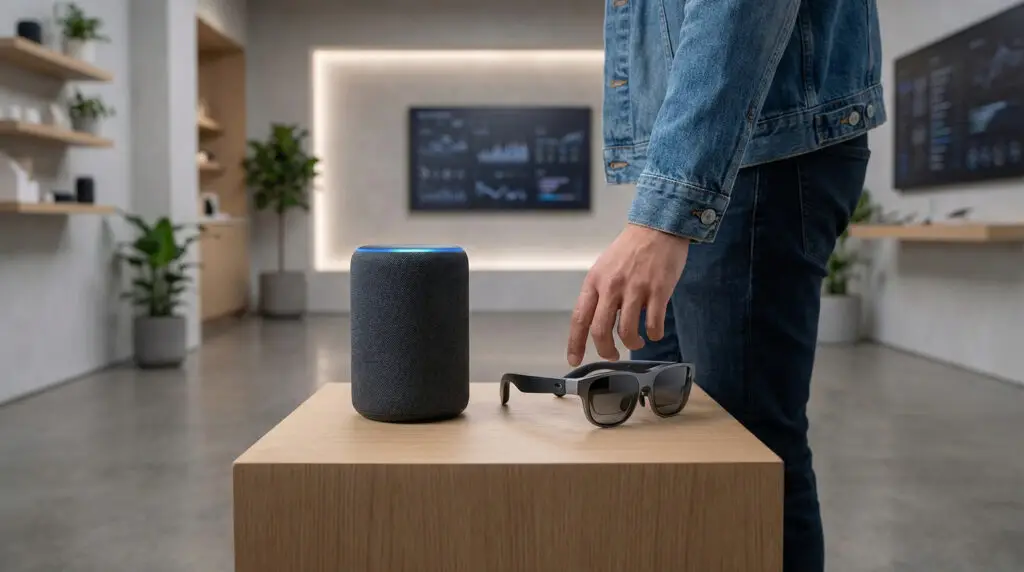
It looks like a smart speaker will be the first big device to come out. It is said to have a built-in camera that lets it see things in its environment. This lets you recognize objects, understand conversations, and match faces for safe transactions.
The camera system has authentication features that are similar to those found on popular smartphone platforms. Better awareness makes it possible to respond better to a wider range of household situations. OpenAI wants to make the device competitive in the quickly growing smart home markets.
Speaker Will Have Recognition Tools For Safety And Interaction
Facial recognition will help verify identities safely when people buy things. Contextual audio processing makes it easier to understand conversations that are happening around the device. Object detection helps with everyday tasks by giving you the ability to understand your surroundings.
Together, these systems make the smart speaker experience more flexible and easy to use. The device encourages users to interact with digital environments that are nearby. Pricing advice says that the price range should start at between USD200 and USD300.
Recommended Article: OpenAI Warns Lawmakers DeepSeek Distilled US AI Models
Launch Timeline Points To Release Window Starting Around 2027
Reports say that the smart speaker could be out as soon as 2027. OpenAI keeps working hard to improve both hardware architecture and embedded intelligence frameworks. This timeline shows ambitious development efforts that need a lot of coordination between different fields.
Based on strategic planning, it looks like the next devices will be released in later windows. With staggered rollouts, you can make improvements based on feedback from earlier product launches. Hardware expansion should happen steadily over the course of several years.
Smart Glasses Planned For 2028 With Additional Products In Testing
Reports say that smart glasses with AI will come out in 2028. These glasses might have recognition features that make daily augmented interactions work better. Specific capabilities are still being tested, but the goal is to improve user utility.
There is also a prototype of a smart lamp, but it is not clear when it will be available. Engineers are still looking at whether the product is viable and fits the market before moving forward with production. The choices will depend on how technically possible they are and how quickly people are expected to adopt them.
Jony Ive Linked Team Expected To Influence Product Design
OpenAI bought io Products, which was started by Jony Ive, a former Apple designer. His team is in charge of deciding how future hardware devices will look. Their impact could greatly improve the look and feel of the product.
Design expertise makes it possible for advanced AI systems and consumer hardware to work together without any problems. This partnership helps OpenAI make products that are polished and easy to use. Strong design leadership is still very important for doing well in competitive markets.
OpenAI Positions Itself For Larger Role In Consumer Technology
OpenAI’s plans to grow beyond software offerings are shown by its work on hardware devices. Smart consumer goods make it easier for AI to be used all over the world. OpenAI’s position in technology ecosystems that are changing quickly is stronger because of hardware integration.
The way we use AI in our daily lives may change because of new product families that come out in the future. More people will start using them faster as devices offer more personalized and adaptive interactions. OpenAI wants to be the leader in new ideas for the next generation of connected AI experiences.