


UK Government Pushes for Good Terms After Tariff Hikes
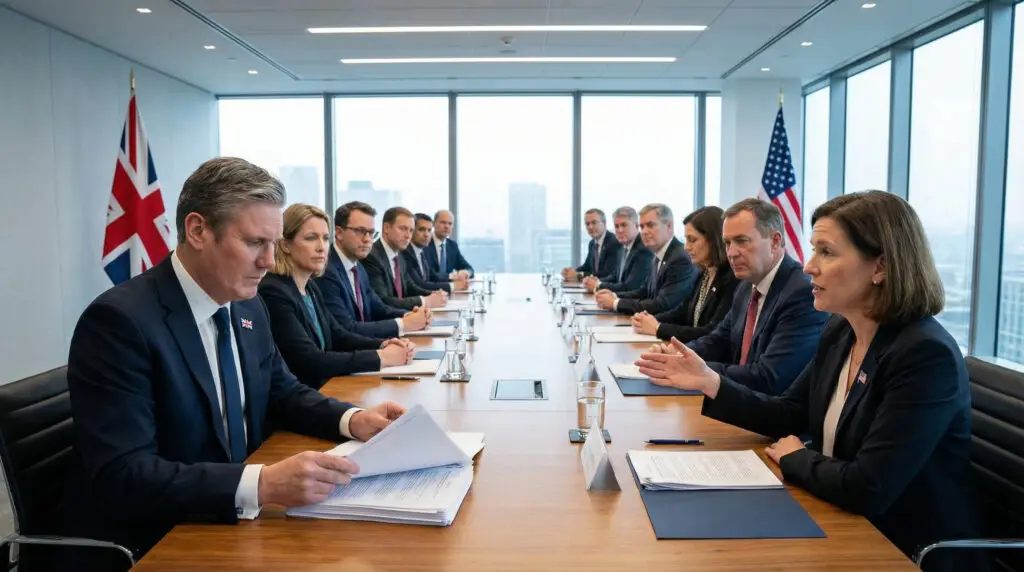
After President Trump raised global tariffs by a lot, British officials stepped up their talks. Bridget Phillipson, the Secretary of Education, confirmed that talks were going on to protect UK businesses. She acknowledged that businesses are unsure, but she stressed that she would continue to give them special treatment.
The government said it was determined to get the best deal possible right now. Ministers are still talking to their US counterparts to make sure that the industry stays competitive. Officials say that long-standing partnerships should still guide decisions about the economy between the two countries.
Source: BBC/Website
Trump Tariff Decision Sparks Concern Across British Industries
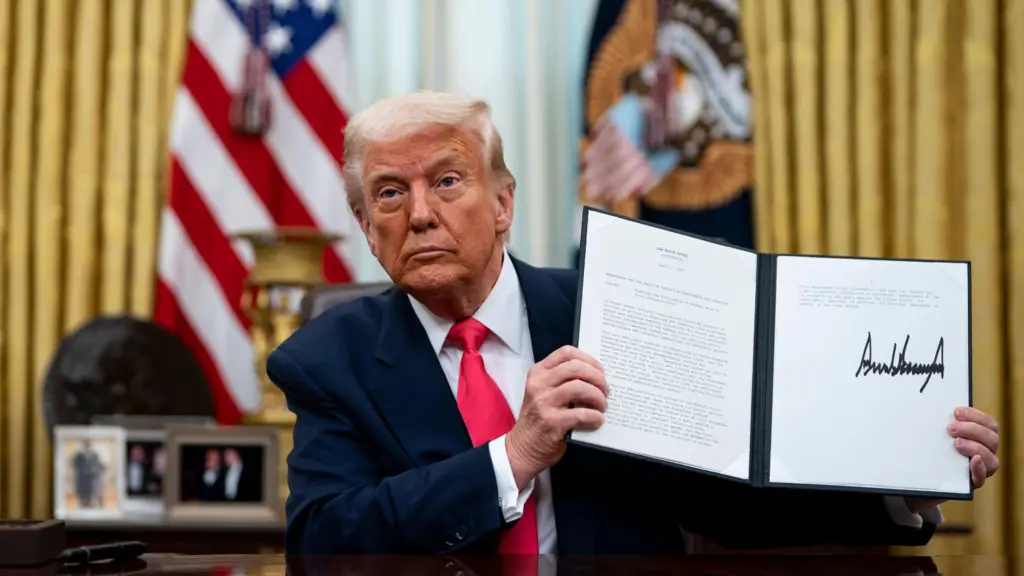
The Supreme Court’s decision let Trump quickly raise tariffs to 15%. Businesses in the UK were alarmed because they were worried that exports would be under more pressure. Leaders in the business world called for more involvement with Washington to keep the economy stable.
Chambers of Commerce said that tariffs could make things more expensive for many exporters. The change could mean a 5% rise in the price of some types of products. A lot of businesses are worried about how these changes will affect their ability to access the market and set prices in the long run.
Phillipson Stresses Strong US Relations Despite Current Strains
Phillipson said that the long-term relationship between the two countries is still very strong. She said that diplomatic progress often happens behind closed doors instead of in public. Continued conversation based on shared strategic priorities is necessary for effective cooperation.
She said again that the relationship can handle changes in the leaders. The UK and the US have the same priorities when it comes to national security and economic growth. Officials want to keep things the same even though the political situation is changing around the current negotiations.
Recommended Article: UK Treasury Grants £400M to Stabilize Northern Ireland Budget
Government Confirms Ongoing Talks To Protect National Interests
Phillipson said that there are ongoing talks at the highest levels of policy. She was sure that the current preferential arrangements should stay in place. Officials stressed that protecting national interests is still the most important goal of all talks.
British negotiators want to make sure that past agreements are still followed in the future. Ministers think that many tariff exemptions should stay in place under the current rules. They are still focused on getting rid of any uncertainty about possible changes in the future.
Business Groups Say Tariffs Could Hurt Growth And Investment
The British Chambers of Commerce were very upset about the new higher tariffs. Leaders said that higher costs make it harder to compete when the economy is weak. Businesses need stability, not sudden shocks that mess up trade between Europe and the US.
Trade experts brought up worries for manufacturers who rely heavily on US markets. They said that investment planning needs to be clear and certain. Higher tariffs make risks worse during a time when costs are already going up.
Political Debate Intensifies As Parties Weigh Negotiation Strategies
Opposition parties said the government was doing a bad job and called for stronger action right away. Reform UK said that blanket tariffs hurt trade and make the economy less resilient. Robert Jenrick, a spokesman, said that British leaders should try harder to negotiate.
Jenrick said that Nigel Farage might be able to get better deals from Trump. He pushed for cooperation between parties, putting the needs of the country ahead of political rivalry. There is still a lot of debate about the best way to represent people in order to deal with complicated international tensions.
Officials Work To Preserve Trade Stability Amid Global Shifts
Government officials are still keeping a close eye on how tariffs affect different industries. They say that the current carve-outs for the steel and automotive industries must stay in place. For the economy to recover, it is still important to keep access to US markets competitive.
Ministers think that staying involved can help reduce long-term disruption. The national strategy puts protecting jobs, growth prospects, and exports at the top of the list. UK officials are still committed to getting fair results through ongoing negotiations.