


Digital Polarization Changes the Way Journalists Work
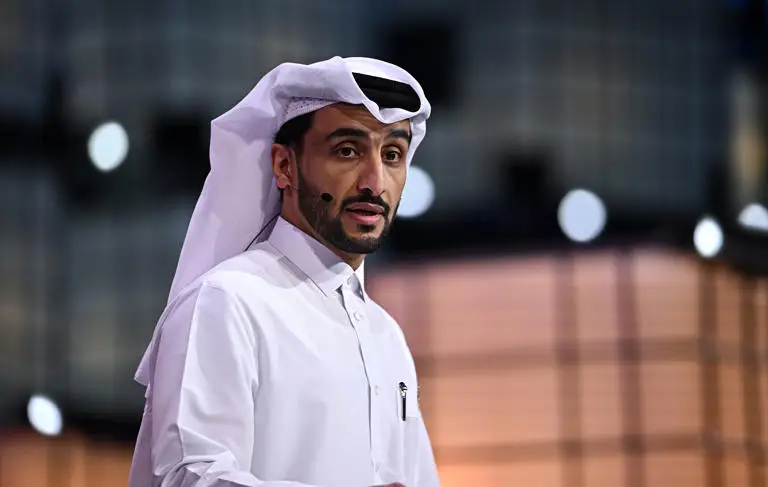
Sheikh Nasser bin Faisal Al Thani said that systems that use algorithms are making political and cultural divisions around the world worse. He said that attention-based economic models reward outrage over nuance and make content that makes people feel strongly more popular. Because of this, more and more people get their news from echo chambers that don’t include other points of view.
He said that journalism is now more important than ever in digital spaces that are broken up by AI systems. Instead of being against technology, journalism needs to give depth, check facts, and responsibly put things in context. As technology changes more quickly, media organizations need to rethink their role in society.
Source: MSN/Website
Web Summit Qatar Sets a Strategic Vision
Sheikh Nasser spoke to technology leaders and global innovators at Web Summit Qatar 2026. The Doha Exhibition Center was the site of the event, which brought together policymakers, investors, entrepreneurs, and journalists. He stressed that journalism and technology should talk to each other instead of competing with each other.
He told digital platforms to rethink the way they use algorithms that put shock and instant engagement metrics first. He thinks that current systems turn complicated truths into simple stories with two sides. This structural imbalance makes it harder for people to understand each other and makes public discourse less meaningful around the world.
The Core Project Redefines Media Purpose
Al Jazeera started the Core Project as a full review of the basics of journalism. Sheikh Nasser said it was more than just a technical update; it was a philosophical rethinking. The goal of the project is to make sure that innovation, editorial ethics, and professional accountability standards are all in line with each other.
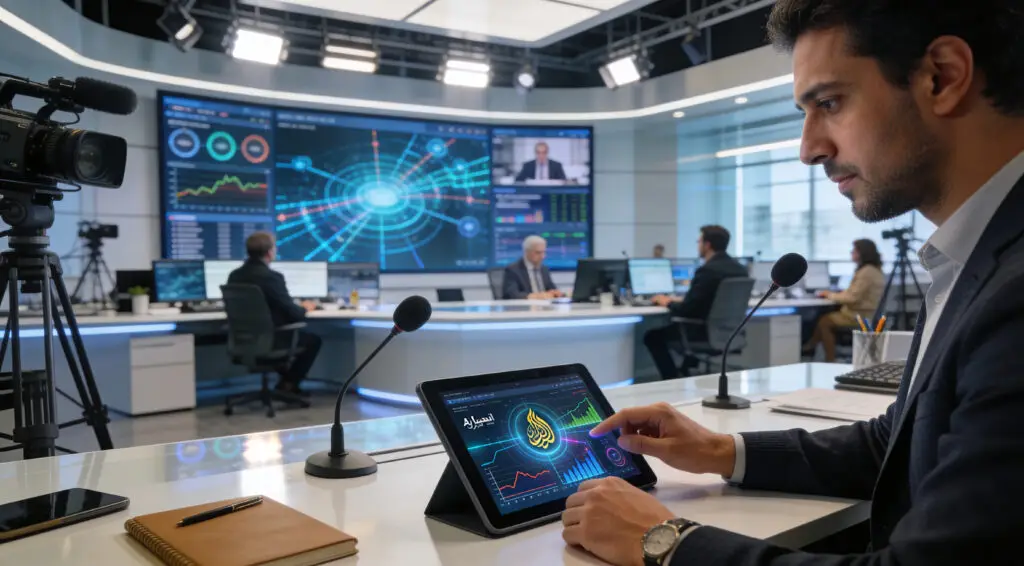
The project wants to use artificial intelligence while still following strict rules in the newsroom. Automated systems will take care of tasks that need to be done over and over again, so journalists can focus on reporting that requires analysis. This change puts more value on insight, investigation, and storytelling in context than on making headlines quickly.
Recommended Article: What Is the “Social Media Network for AI” Moltbook?
Balancing Speed With Meaning And Context
Sheikh Nasser said that in 2026, speed alone cannot define responsible journalism. While immediacy is still important, breaking news must also be put into context. People need to understand the root causes, effects, and historical significance of events.
He talked about 3 main ideas that shape the Core Project’s framework and the culture of the newsroom. Now, Meaning or Context, and People are the 3 main ideas. They work together to create a balanced editorial model that combines timeliness with depth of thought.
People as Global Actors Who Are Aware
The director general did not want to see audiences as just passive consumers or data points for algorithms. Instead, he said that viewers were aware actors who could think critically. So, journalism has a duty to encourage informed participation instead of using attention metrics to get people to pay attention.
He stressed the importance of bringing back human stories in the midst of complicated geopolitical and technological changes. Journalism that is strong must stay quick but not make shallow interpretations of crises as they happen. This kind of approach can help people in divided communities trust each other again and start talking to each other in a positive way.
Ethical Technology And Shared Responsibility
In the end, Sheikh Nasser asked media companies and tech companies to work together in a way that is ethical. He said that journalism and technology both have a role to play in shaping how people understand things. The problem is getting everyone on the same page through openness, responsibility, and careful system design.
Instead of seeing progress as a fight, he suggested frameworks for cooperative innovation. Ethical AI can improve reporting without hurting the credibility or independence of the editorial staff. He said that shared responsibility can help bring people together and improve communication around the world.
Qatar’s Place in Global Innovation
The summit also showed how Qatar’s role in the global technology and investment ecosystems is growing. Leaders showed off Qai, the national AI company that started up last year. Officials also said that sovereign investment programs would add $2 billion to venture capital projects.
The 3rd edition had over 1,600 start-ups, 800 investors, and 400 speakers. People from around the world, like Eduardo Saverin and Yanis Varoufakis, took part in panel discussions. The meeting made Doha’s goal of having an impact on global discussions about technology, ethics, and the evolution of media even stronger.