


Taipei Hub Supports Google’s Hardware Goals
Google runs its biggest hardware engineering hub outside of the US about 45 minutes from central Taipei. The campus is in TPark in New Taipei City and has advanced labs for testing components, building devices, and making prototypes of products. Engineers there help design the technologies that will eventually power Pixel smartphones and other devices that go with them.
The building shows that Google wants to control more of the hardware stack and speed up development cycles around the world. The company makes it easier for hardware and software teams to work together by putting all of their best people in 1 strategic location. This integration makes it easier to iterate quickly as AI continues to shape what devices can do.
Pixel Strategy Aims for Smooth Integration of Hardware and Software
Google has long said that Pixel is the best version of Android because it combines hardware and software into 1 experience. Pixel development focuses on optimizing the system from the very beginning of the design process, unlike manufacturers that rely heavily on parts from other companies. This way of thinking is similar to what premium ecosystem leaders have done in the past.
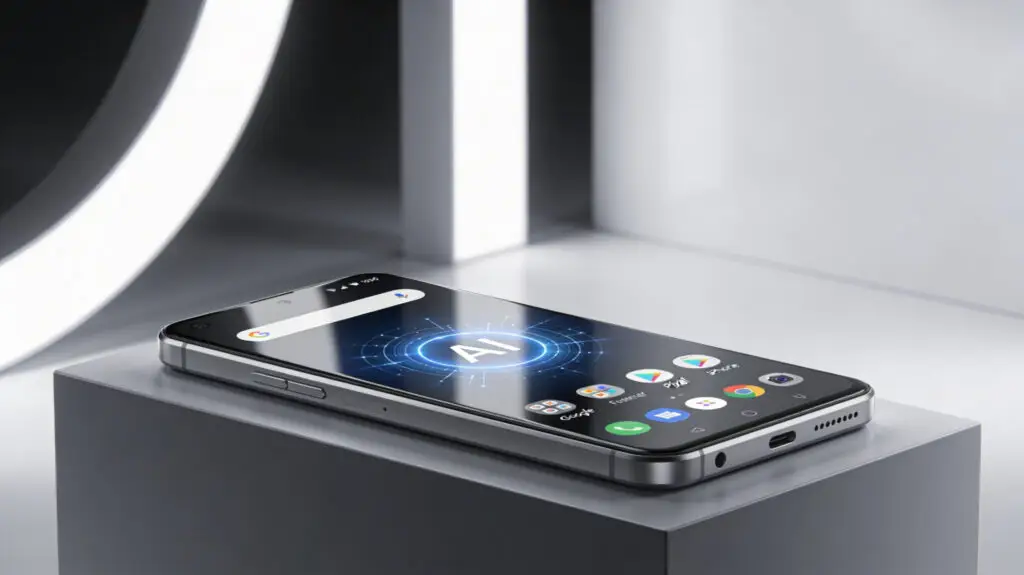
The next Pixel 10 is expected to take that strategy even further by adding more AI features directly into how the device works. Executives think that smart features will set Pixel apart from other phones, even more than things like camera quality or display performance. This kind of differentiation could help a brand stand out in a smartphone market that is getting more and more crowded.
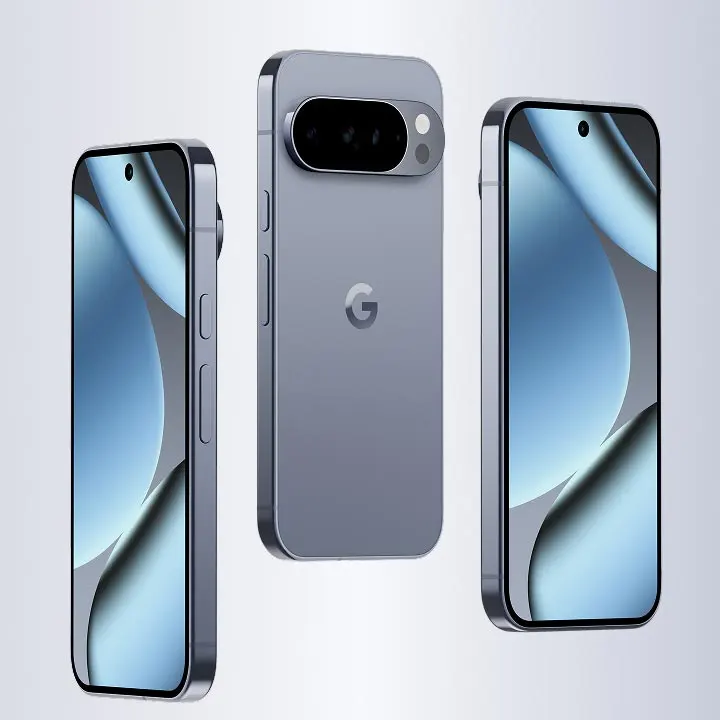
Source: Google Store/Website
AI Transformation Changes the Game in Smartphone Competition
Artificial intelligence is quickly becoming the main battleground for major smartphone makers who want to stay relevant in the long term. Devices are changing from tools for communication to predictive assistants that can understand context, automate workflows, and boost productivity. Google is in a unique position for this change because it knows a lot about machine learning.
The company wants to give customers experiences that competitors may have a hard time copying quickly by using AI in both hardware and software. Features that use on-device processing could make privacy better and lessen the need for cloud connectivity. This trend in technology suggests that future smartphones will compete more on how smart they are than on how powerful they are.
Recommended Article: Google Project Genie Promises Full Games Generated From Text
Pixel 10 Wants to Close the Gap Between Apple and Others
For years, Apple Inc. has been the leader in the high-end market thanks to tightly controlled ecosystems and strong customer loyalty. It looks like Google is now set on closing that gap by making Pixel work better, be more reliable, and work better with other devices. People see the Pixel 10 as an important step forward in this race.
It is still hard to match Apple’s scale, but small changes can slowly change how people think about the company. Analysts say that when people choose flagship devices, they are putting more and more value on long-term software support and integrated services. For Pixel to keep going up, it will be important to always give polished experiences.
Android Ecosystem Could Benefit From Pixel Leadership
Google sees Pixel as more than just a way to sell hardware; it also sees it as a reference platform that can help the entire Android ecosystem move forward. Innovations that are first seen on Pixel devices often make their way to features that partner manufacturers later use. As a leader, Google can more directly guide the growth of the platform.
A better Pixel lineup might make developers focus more on making advanced AI apps that work well in Android environments. This kind of momentum could make the whole ecosystem more competitive against vertically integrated competitors in the long run. So, making sure that hardware and software work together strategically has effects on the whole industry.
Market Share Problems Show Chance for Growth
Pixel has less than 3% of the global smartphone market share, even though critics have praised it. But many people think it is 1 of the fastest-growing brands right now, when demand for all types of phones has dropped. This difference suggests that there is a good chance for growth if the execution stays the same.
To grow, you often need to turn awareness into long-term use through partnerships with carriers and a wider presence in stores. Pricing strategies will also affect how well Google gets into the premium and upper-midrange markets. The smartphone market is so big that even small gains in market share could lead to big increases in sales.
Future Devices Signal Google’s Long-Term Hardware Vision
The Taipei hub shows that Google wants to stay a serious hardware competitor instead of just a niche experimenter. Investing in engineering infrastructure shows that people believe AI-driven devices will be the next big thing in computing. Pixel is more than just a line of products; it shows a long-term commitment.
As smartphones become smarter companions, the next chapter in the industry may be written by companies that can bring together hardware, software, and services. It looks like Google is determined to keep that position by constantly coming up with new ideas. If the Pixel 10 does well, it could change the way companies compete for years to come.