


SPD Questions Reliability Of Trans-Atlantic Partnership
After new worries about strategic reliability, Germany’s Social Democratic Party has called for a complete rethinking of the country’s relationship with the United States. Party leaders say that recent signals from Washington make them question whether long-held assumptions about security and the economy are still true. The debate got even more heated when US politicians once again questioned the multilateral commitments that support cooperation across the Atlantic.
Senior members of the SPD stress that alliances need to change when the world changes in ways that can’t be predicted. They say that Germany can’t rely only on traditional partnerships without making plans for sudden changes in policy. This position shows that more and more people in Europe are worried about relying on US decision-making cycles for strategic purposes.
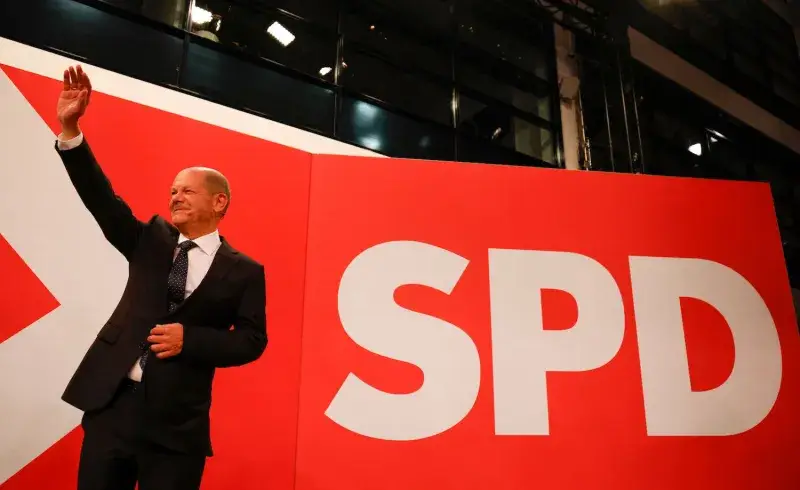
Source: Foreign Policy/Website
Trump-Era Policies Spark Renewed Political Anxiety
SPD leaders say that Donald Trump’s foreign policy legacy is one of the main reasons why people are once again skeptical of Washington. During his presidency, European capitals were worried about his transactional approach to alliances and his constant criticism of NATO partners. Party leaders say that similar policies could come back, which would make shared defense and trade frameworks less stable.
These worries go beyond ideology and into how the government works in real life, especially when it comes to security guarantees and economic coordination. Policymakers say that uncertainty makes it harder to plan for defense spending and industrial strategy in the long term. Because of this, the calls for Germany’s governing coalition to diversify its diplomatic ties have gotten louder.
Lars Klingbeil Calls for a Practical Change in Strategy
Lars Klingbeil, the Vice Chancellor and Finance Minister, has become a leading voice for pragmatic recalibration instead of sudden disengagement. After talks in Washington, he said that Germany needs to find a balance between working together and being ready for differences. His words made it clear how important it is to be realistic when judging the reliability of a partner.
Klingbeil said that for alliances to be strong, both sides need to be able to predict what the other side will do and respect their shared commitments. Policymakers must explore alternative strategies to protect national interests in the absence of these elements. This point of view fits with bigger European discussions about strategic autonomy and resilience.
Recommended Article: Trump Nominates Kevin Warsh as Fed Chair Amid Rate Pressure
Europe’s Push for More Strategic Independence
The SPD’s stance is part of a larger movement in Europe to depend less on any 1 global power. Advocates say that making internal EU coordination stronger gives the EU more power in negotiations while still upholding democratic values. More and more, people are talking about strategic autonomy as something that goes along with transatlantic cooperation instead of replacing it.
Supporters think that closer cooperation between European defense and industry can help protect against outside shocks. If EU members invest together, they may be better able to deal with changes in US political leadership. This strategy aims to keep things the same no matter what happens in elections in other countries.
Security And Defense Concerns Drive Debate
The SPD is reevaluating its defense policy, especially now that tensions are rising around the world. In the past, Germany’s security architecture has relied on US commitments made through NATO structures. But the unpredictable language around alliance obligations has led to calls for a reevaluation of contingency plans.
Policymakers say that Europe needs to show that it can defend itself against outside threats on its own if it needs to. So, it is more important than ever to strengthen the defense industries in Europe and work together on projects. These talks are having a bigger and bigger effect on Berlin’s budget and lawmaking priorities.
Economic And Trade Implications Remain Significant
In addition to security, SPD leaders point out the economic risks that come with changing US trade policies. Threats of tariffs and protectionist measures in the past hurt European industries and made it harder to plan supply chains. Companies need stable frameworks to help them make long-term investment decisions in Atlantic markets.
They say that a more balanced partnership would make them less vulnerable to 1-sided economic actions. Diversifying trade ties could also help countries deal with shocks in the world of politics. Economic pragmatism bolsters political justifications for reevaluation.
Germany Seeks Balanced Engagement Not Confrontation
SPD officials say that even though their language is harsher, the goal is still to work together with Washington, not fight with it. When interests are clear, talking and working together are still important. But more and more people think that blind trust is not a good way to run a government.
Germany’s changing position shows that foreign policy thinking is becoming more mature due to recent instability. Changes in US politics will determine whether this new look at things leads to real changes in policy. For now, Berlin seems set on being flexible while protecting its long-term strategic interests.