


Takaichi’s Rise to Power as Japan’s First Female Prime Minister
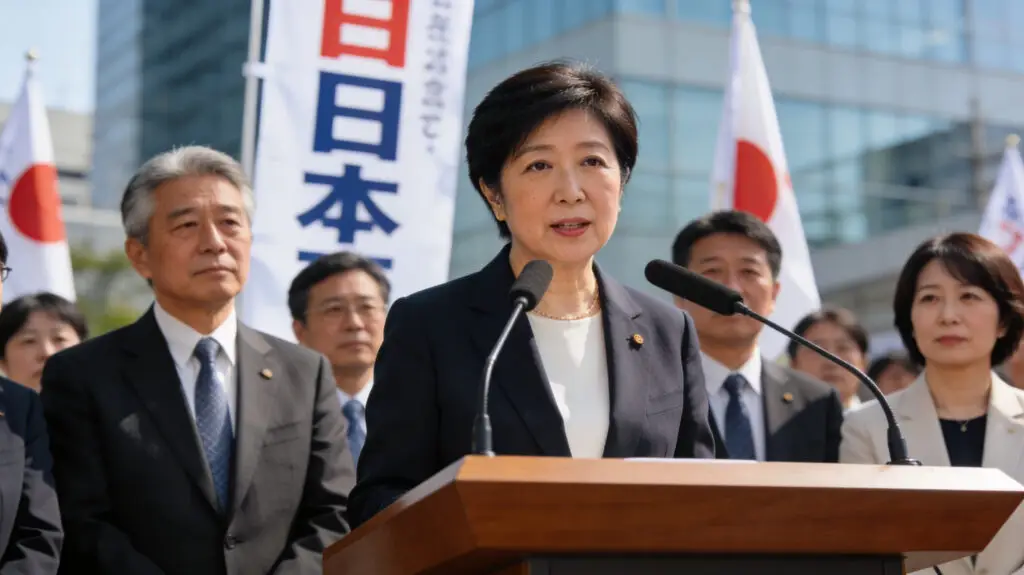
Sanae Takaichi, Japan’s first female prime minister, quickly changed the country’s politics with her strong conservative messaging and assertive leadership. Her lively public style and unapologetic nationalism set her apart from Japan’s normally cautious politicians. Since taking office, she has worked to make herself more visible at home and show confidence abroad through symbolic diplomatic gestures.
Takaichi’s rise to power came after she was elected leader of the Liberal Democratic Party last fall, when the party was tired of fighting among itself. During her time as leader, people became more worried about regional security and the changing balance of power around the world. These conditions made it easy for her to speak out strongly and take a strong political stance.

Source: BBC/Website
Snap Election Could Deliver An Outright Governing Majority
Polls show that Takaichi’s party could win a big majority in Japan’s lower house this weekend. If this happened, she would get direct public support and her power to govern would grow a lot. Winning would make it easier for the ruling coalition to work together and carry out policies.
The midwinter snap election has some risks, but public support has strongly swung in her favor. Analysts say that voters seem to be more interested in how leaders act than in the specifics of their policies. Because of this, the election has turned into a vote on Takaichi herself.
Defense Expansion Central To Takaichi’s Political Agenda
Takaichi has stressed the need to make Japan’s defense stronger because threats from China and North Korea are growing in the region. She says that Japan needs to stop relying on the idea that America will always protect them. This approach shows that people are getting more worried about how the United States’ strategic priorities are changing.
Her comments about possible responses to a conflict in Taiwan were a big change from how Japan had been acting before. Supporters say she is clear and determined, while critics say she will make tensions in the region worse. Still, her position speaks to voters who want the country to be more confident in itself.
Recommended Article: Japan Calls Snap Election as Takaichi Seeks Stronger Mandate
Relationship With Donald Trump Bolsters Her Global Standing
Takaichi has built a very close relationship with former US President Donald Trump among world leaders. Trump publicly supported her leadership and praised her strength and ability to make decisions. This kind of support is rare and has made her more well-known around the world.
Their close relationship strengthens her image as a leader who can handle complicated relationships between two countries. Takaichi sees the alliance as one of mutual respect instead of one of dependence. This story appeals to voters who don’t want Japan to seem weak in world affairs.
China Tensions And Economic Retaliation Shape Campaign
Takaichi’s suggestion that Japan could respond militarily to a crisis in Taiwan made things worse between Japan and China. Beijing hit back with trade restrictions and diplomatic warnings meant to put economic pressure on the US. These steps affected sensitive areas like rare earth materials and seafood exports.
Instead of backing down, Takaichi stood her ground, framing resistance as a matter of national pride. A lot of voters like that she won’t give in, even though it hurts the economy. Analysts say that this defiance made her position at home stronger, not weaker.
Youth Driven Popularity Fuels The “Sanamania” Phenomenon
Younger voters who like her unique look have helped Takaichi’s popularity grow even more. Her hobbies, social media presence, and catchy slogans have all gone viral across the country. Things she sells and personal items that are connected to her have become cultural symbols.
Polls show that younger people are very likely to approve, even though youth turnout has been low in the past. It’s hard to say if excitement will turn into real votes because of the weather in the winter. Even so, the cultural momentum has changed Japan’s political climate in a big way.
Risks Ahead After Winning and High Public Expectations
Even though Takaichi is likely to win, analysts say she will have a hard time meeting high expectations once she becomes president. Concerns about the economy include rising debt, inflation, and a yen that is getting weaker. Markets are still wary of her plans to boost the economy through spending.
Critics also question her tendency to rely on her gut feeling instead of what others think when making decisions. A big win could make people more confident but less careful. How she balances being assertive with being practical may affect how long she stays in politics.