Global Trade Hook Sanctions Strategy Expands
Written by a geopolitical risk analyst specializing in sanctions policy, international trade, and energy markets, this analysis evaluates the implications of expanding economic pressure strategies.
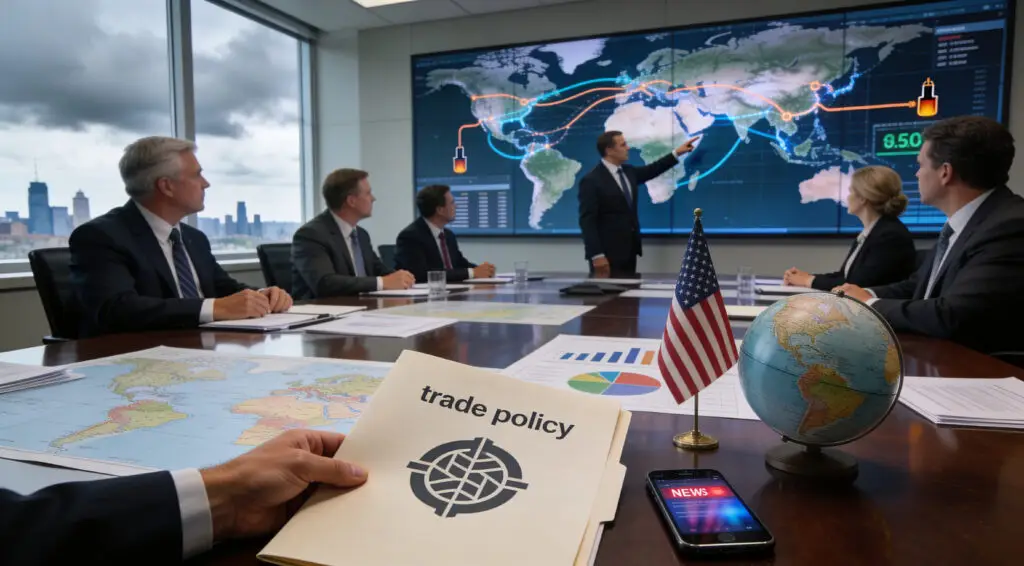
In our analysis of the current geopolitical landscape, the latest move by Donald Trump signals a renewed effort by the United States to extend economic pressure beyond Iran and onto its global trading partners.
This approach reflects a broader shift toward using trade policy as a direct geopolitical instrument.
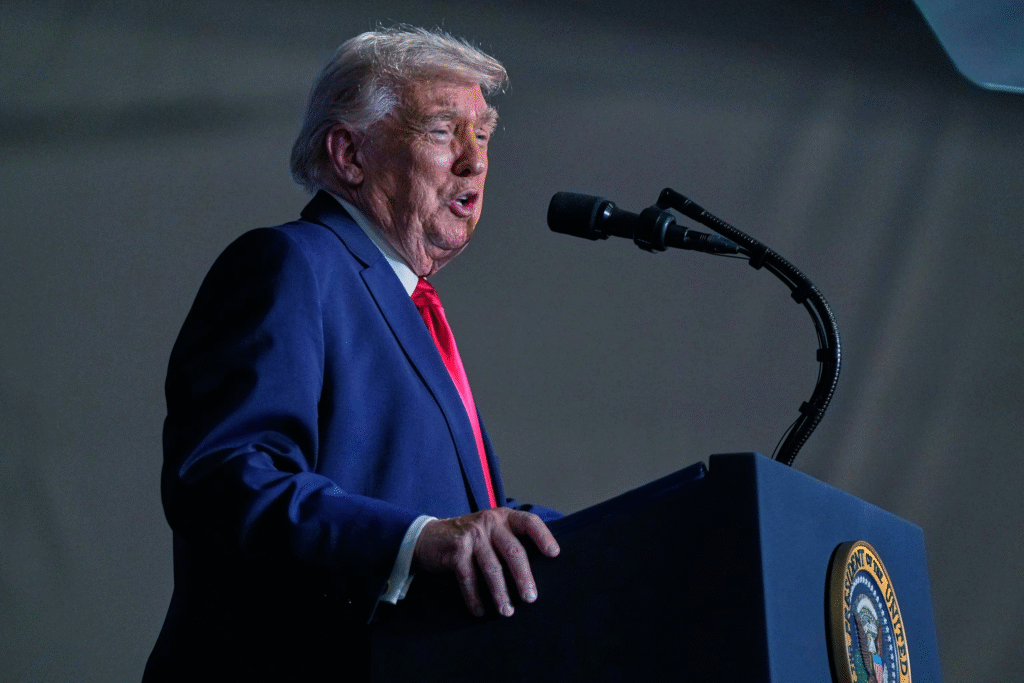
Source: ABC News/Website
New Tariff Threat Targets Iran Trade Partners
The proposed measure represents a significant escalation in enforcement strategy.
Key provisions include:
- Potential tariffs on countries engaged in trade with Iran
- Example tariff levels cited around 25%
- Coverage extending to both direct and indirect transactions
This expands enforcement beyond traditional sanctions into broader trade restrictions.
Strategic Objective Behind the Move
The policy is designed to achieve multiple geopolitical objectives.
Core goals include:
- Limiting Iran’s economic activity and revenue streams
- Pressuring global partners to reduce or eliminate trade ties
- Reinforcing US national security priorities
In our evaluation, this represents a shift toward secondary economic pressure mechanisms targeting third-party actors.
Sanctions Reinforced Amid Ongoing Tensions
The announcement builds on existing sanctions measures.
Recent developments include:
- Restrictions targeting entities involved in Iranian oil trade
- Continued limits on financial transactions and exports
- Renewal of a national emergency framework related to Iran
These actions reflect continuity in long-standing US policy.
Nuclear Issue Remains Central
The dispute continues to revolve around nuclear program concerns.
Key background includes:
- The 2015 agreement known as the Joint Comprehensive Plan of Action
- US withdrawal from the deal in 2018
- Expansion of uranium enrichment activities by Iran
Washington maintains that preventing nuclear weapons development remains a primary objective.
Ongoing Diplomatic Talks Show Mixed Signals
Despite rising pressure, diplomatic engagement continues.
Key details include:
- Negotiations held in Oman
- Involvement of Abbas Araghchi
- Early discussions described as constructive
In our analysis, diplomacy and economic pressure are being pursued simultaneously.
Global Trade Exposure to Iran and Potential Tariff Impact
The policy could affect a wide range of economies with varying exposure levels.
Iran Trade Exposure and Tariff Risk Overview
| Country/Region | Trade Exposure to Iran | Key Trade Type | Potential Impact if Tariffs Applied |
|---|---|---|---|
| China | High | Oil imports | Significant tariff exposure, supply chain adjustments |
| Iraq | High | Energy, electricity | Economic strain and political pressure |
| United Arab Emirates | Medium | Re-exports, finance | Trade rerouting and compliance costs |
| Turkey | Medium | Energy, goods trade | Increased import/export costs |
| Other global partners | Low–Moderate | Mixed trade | Indirect exposure and regulatory uncertainty |
This illustrates how secondary tariffs could ripple across global trade networks.
Iran’s Economic Situation Under Strain
Sanctions have already placed significant pressure on Iran’s economy.
Key indicators include:
- Elevated inflation levels, particularly in food
- Reduced oil export capacity
- Ongoing financial isolation
Additional tariffs could intensify economic stress.
Risk of Escalation Remains High
Tensions between the United States and Iran remain elevated.
Key concerns include:
- Potential military escalation if diplomacy fails
- Increased regional military presence
- Intensifying political rhetoric
This raises the risk of broader geopolitical instability.
International Response and Uncertainty
Global reaction remains cautious.
Key uncertainties include:
- Enforcement mechanisms of tariffs
- Compliance from US allies
- Potential retaliatory measures
In our evaluation, implementation details will determine real-world impact.
Outlook Trade Policy as a Geopolitical Weapon
This development reflects a broader structural trend.
Trade policy is increasingly being used to achieve geopolitical and security objectives—not just economic ones.
A High-Stakes Economic Strategy
The decision by Donald Trump reflects an evolving global strategy.
From a policy perspective, economic tools are now being used to influence both adversaries and allies.
The key takeaway is clear:
The success of this approach will depend on whether it drives negotiation outcomes—or accelerates escalation in an already fragile geopolitical environment.
This analysis is provided for informational purposes only and does not constitute political or financial advice.