


Campaign Promises Clash With Higher Prices for Consumers
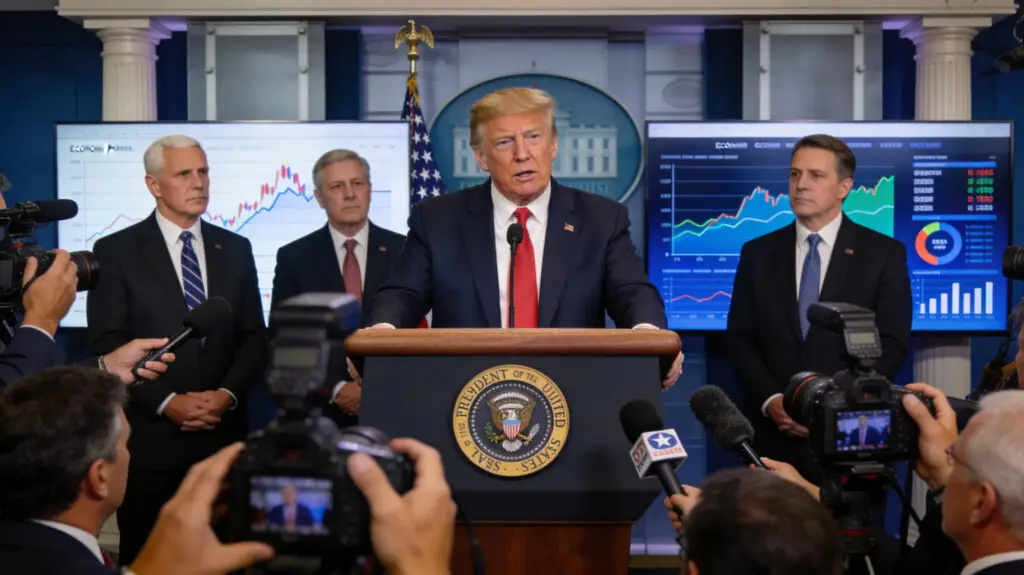
During the campaign, Donald Trump promised voters that grocery prices would go down, saying that this would be an immediate benefit for the economy. After taking office again, rising food prices made people less hopeful and were very different from the hopeful messages that were sent during the campaign. This disconnect made voters who were closely watching their household expenses across the country more skeptical.
When polls showed that people didn’t like him, the president changed his strategy to show that he cared by coming up with quick, attention-grabbing economic ideas. The strategy puts more emphasis on emotional reassurance than on detailed policy design, putting anxious working families first. History shows that this kind of messaging can win back support, but if it keeps happening, it could lose the goodwill of the remaining voters.
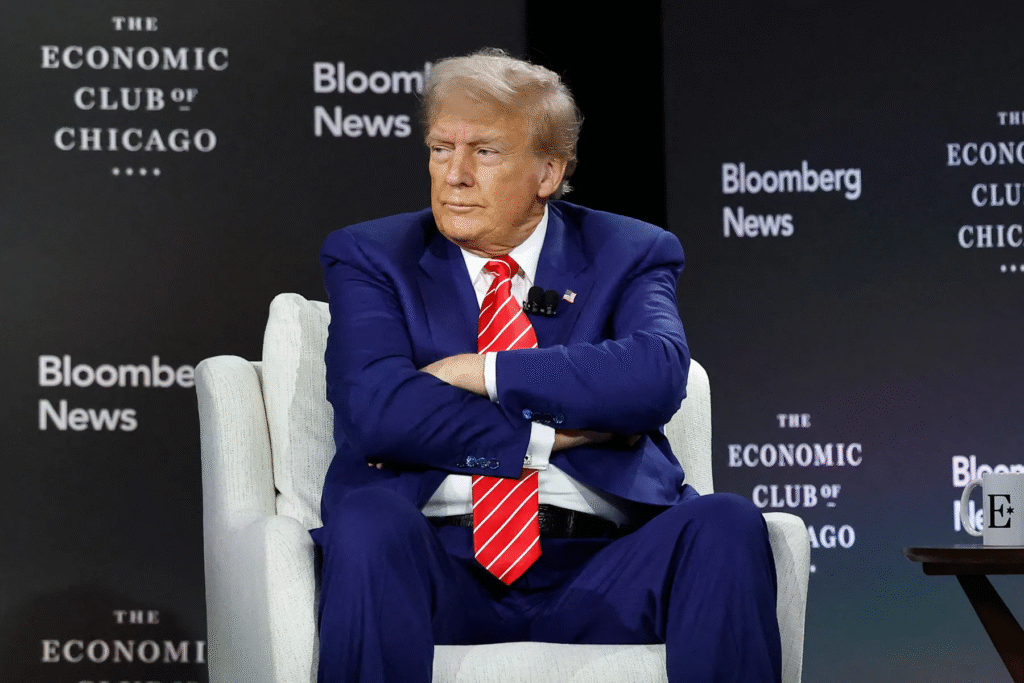
Source: Rollling Stone/Website
Energy And Housing Pledges Fall Short Of Expectations
Trump promised to lower the cost of energy for homes, but prices went up a lot in the first year he was back. Energy bills went up faster than they did under the last administration, which goes against promises of quick relief. These results made people less sure of his claims to be a good steward of the economy as a whole.
Housing promises also didn’t come true as promised, which made things harder for buyers and renters who were already having trouble paying for things. It was not possible to cut the cost of new homes by 50% because of the current market conditions. The difference between what was said and what happened made it even harder to rebuild trust in the economy.
Tariff Strategy Fails To Deliver Manufacturing Revival
The promise that tariffs would bring back jobs and factories in the U.S. was a big part of Trump’s economic vision. Instead, manufacturing gains stayed out of reach as higher import costs made their way through the supply chain. Economists said that tariffs made it harder to control inflation instead of encouraging broad-based growth.
Officials from the Federal Reserve said that trade barriers made it harder to keep prices stable across the economy. The policy’s goal was to protect workers’ wages, but rising costs made it harder for them to get raises. It was hard for the story of the manufacturing revival to match up with real-world results.
Recommended Article: Vietnam Party Congress Begins as Leadership and Growth Hang
Polling Data Signals Growing Economic Discontent
Polls showed that more and more people were worried about how the economy was doing under Trump’s leadership. Almost 50% of Americans said that things were worse than they were the year before. Most people didn’t like how economic policy was being handled.
More polls showed that many different groups of voters disagreed with Trump’s economic policies. These results made it even more important for the administration to change its messages and proposals. Polling trends led to policy announcements that were more and more reactive.
Populist Ideas Put Looks Ahead of Money
Trump made suggestions like capping credit card interest rates to get the attention of families with a lot of debt. Economists warned that these kinds of caps could make it harder for higher-risk borrowers to get credit. Well-meaning optics hid possible negative effects for consumers who are already in a bad situation.
Housing-related proposals followed a similar pattern, promising help but also putting people at risk of paying more in the long run. Extending the terms of mortgages and moving retirement funds could make prices go up even more. These steps put symbolic action ahead of structural fixes.
Rising Rhetoric and Unusual Economic Ideas
Some suggestions went even further away from the economic consensus, which made people worry about whether they would work and whether they would be legal. Analysts were skeptical of ideas that involved putting pressure on the central bank or using foreign oil to gain an advantage. Critics said these ideas took policy away from real-world limits.
This kind of talk showed frustration instead of a clear plan, showing how important it was to get political momentum back. The gathering of unusual ideas made it harder to tell where traditional ideologies ended and new ones began. Economic messaging was more and more like improvisation under stress.
Grievance Politics Shapes Post Globalization Strategy
Trump’s changing platform is part of a larger trend away from politics based on market efficiency and toward politics based on grievances. Economic policy now focuses on recognizing communities that have been neglected by globalization. Appealing to perceived injustice has worked in elections, even though the economy hasn’t always been good.
Tariffs and promises to help the common people had previously helped get important groups to vote, even when jobs were lost. It is still unclear if voters will accept policy changes that keep happening. As frustrations grow, the administration seems to be betting more and more on this gamble working out.