


UK Declines Immediate Participation In Trump Peace Initiative
The foreign secretary says that Britain won’t join President Donald Trump’s proposed board of peace right away. Yvette Cooper said that the government would not be one of the first signers that were announced this week. The choice shows that people are being careful about the structure and membership of the proposed international initiative.
Cooper stressed that the problem has legal and diplomatic aspects that need to be carefully thought about. She said that Britain supports bigger peace goals but is still cautious about making promises too soon. Officials stressed that they will keep talking to their allies, even though fewer people are participating right now.

Source: BBC/Website
Support for the US Plan for Gaza Stays Strong
The UK has strongly supported Trump’s 20-point plan for rebuilding Gaza and ending the fighting. Cooper said that Britain wants to stabilize the area and lessen the suffering of people in need. However, support for the plan does not mean support for all of the proposed governance mechanisms.
British officials stressed how important it is to work within established international frameworks. They warned against plans that could make existing multilateral institutions less important. The government showed a preference for approaches that included everyone and were in line with international law.
Concerns Raised Over Russian Involvement
One of Cooper’s biggest worries is that Russian President Vladimir Putin might be on the peace board. She didn’t think Russia could be trusted to help with peace talks because of the war in Ukraine. There hasn’t been enough proof for the UK that Russia is serious about deescalation.
Cooper said that peace talks should be based on proven good faith. Not requiring people to take concrete actions when they participate could hurt the initiative’s legitimacy. Britain thinks that pressure should stay on getting real promises from Moscow.
Recommended Article: Trump Demands Venezuela Drop China Russia Alliances for US Oil
The Board of Peace Starts a Global Debate
The board of peace that Trump set up was meant to be a different way to keep an eye on ceasefires and rebuilding efforts. People who don’t like it say it could make established organizations like the UN less powerful. The proposed charter does not clearly mention Palestinian territory.
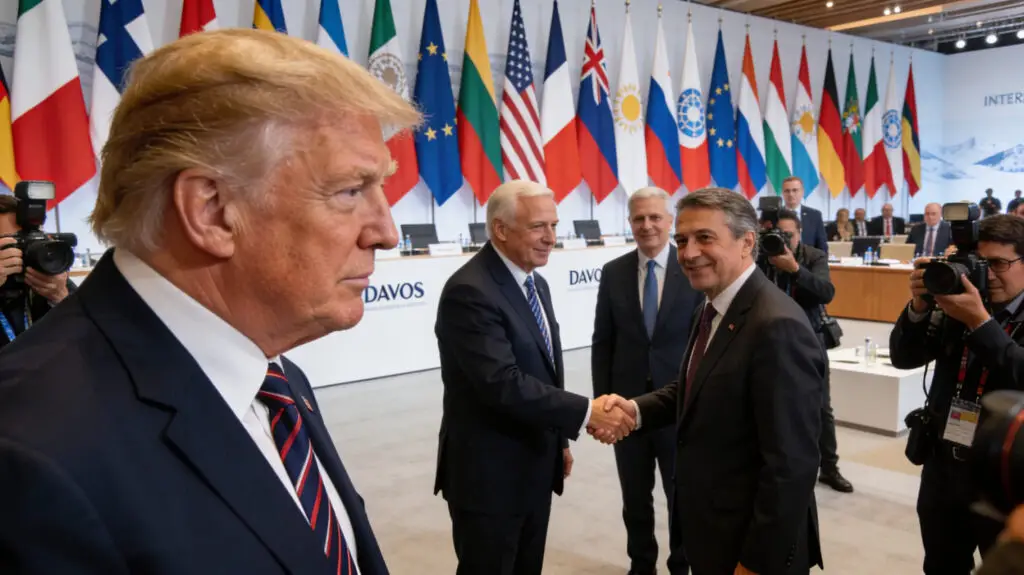
Supporters say the board could speed up making decisions and working together. People who are against it are worried that it might give some politicians more power. At the World Economic Forum in Davos, the initiative has sparked debate.
High Profile Appointments Draw Attention
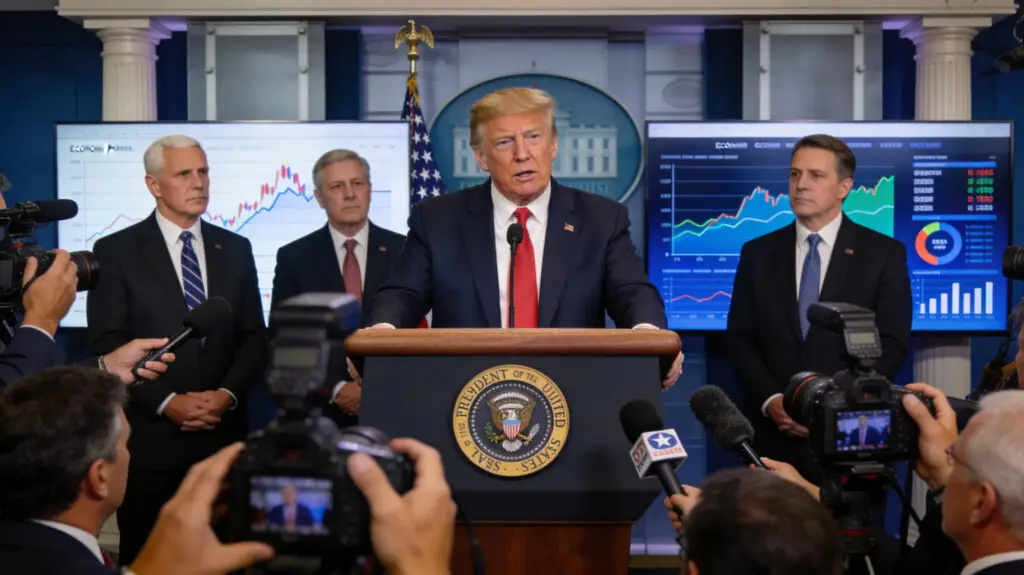
Trump is the chair of the board, along with other well-known international figures. Marco Rubio, the US Secretary of State, and Tony Blair, the former Prime Minister of the UK, were chosen to lead. There were also business and diplomatic leaders.
Ajay Banga, the president of the World Bank, and Trump’s top advisers are also on the list of new appointees. A number of countries in the Middle East have said they want to take part. These announcements have made people look more closely at the board’s powers and responsibilities.
Ukraine War Shapes UK Diplomatic Position
Britain’s reluctance has a lot to do with its ongoing efforts to end the war in Ukraine. Cooper said that accountability and territorial sovereignty should come first in peace talks. She said that the focus should stay on getting Kyiv to take part in real negotiations.
Trump said he was hopeful about the talks, saying that the parties were close to reaching an agreement. He is supposed to meet with Volodymyr Zelenskyy, the president of Ukraine, during the meetings in Davos. Officials in the UK are still wary of these kinds of claims.
UK Signals Continued Engagement Without Commitment
Even though Britain won’t join the board right away, it plans to stay involved diplomatically. Cooper said that talks with international partners about Gaza and Ukraine are still going on. The UK wants to have an impact on outcomes without supporting structures that aren’t clear.
Officials stressed the need for flexibility as talks go on and things change. If worries are handled well, Britain’s stance may change. The government puts measured diplomacy ahead of symbolic participation for now.