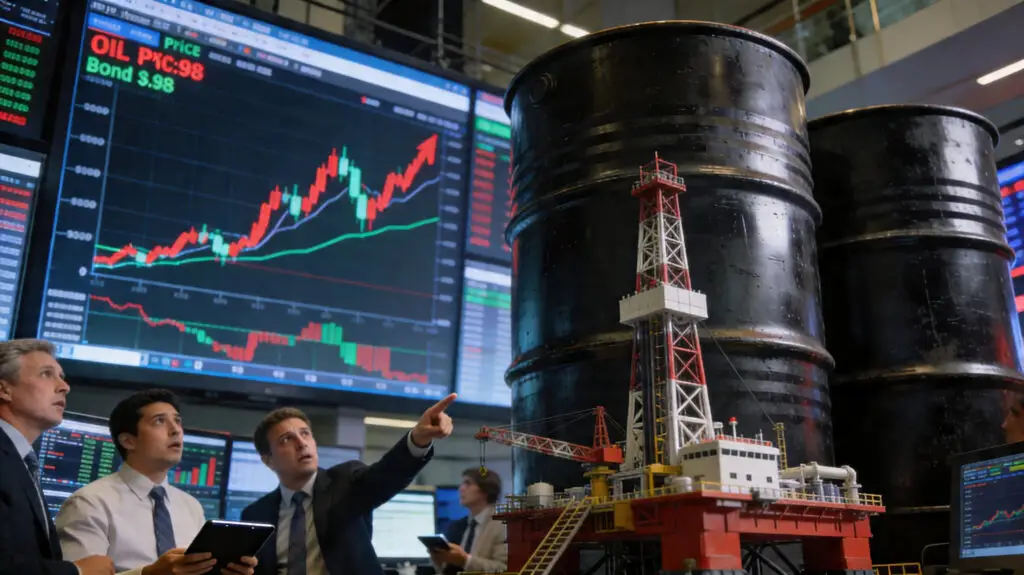




Global Growth Outlook Holds Steady Despite Rising Political Risks
Munich Re thinks that the world economy will keep growing in 2026, even though there are high levels of geopolitical tension and policy uncertainty around the world. A 2.7% increase in real GDP is expected, which is about in line with recent averages and shows cautious optimism in major economies.
The reinsurer says that the risks of losing money are greater than the chances of making money because sudden political decisions and trade disputes could hurt investment confidence and market stability. Despite these concerns, fiscal stimulus and easing monetary conditions are expected to provide partial support for growth momentum.
Source: Reuters/Website
Fiscal And Monetary Policies Support Economic Activity In 2026
Several major economies are expected to use expansionary fiscal policies to keep demand strong in 2026. Governments are increasing spending initiatives to counter slowing private consumption and soften the impact of external economic shocks.
At the same time, more accommodative monetary policies by central banks should help stimulate investment and credit availability. Lower interest rates are expected to help capital spending and make it easier for businesses to get loans in both developed and emerging markets.
United States Growth Driven By Technology And AI Investment
The United States is projected to achieve solid growth of approximately 2.4% in 2026, supported by robust technology investment. Investors are still putting money into artificial intelligence, which boosts productivity and profits in many industries.
However, spending patterns are becoming more and more uneven as higher-income households spend more and lower-income groups deal with rising prices all the time. Import tariffs and elevated service costs are contributing to inflation remaining above the Federal Reserve’s target range.
Recommended Article: Chinese Capital Boosts Cambodia’s Fast-Growing Economy
Eurozone Faces Structural Challenges Limiting Growth Potential
Structural problems will keep economic growth in the eurozone low at about 1.1% in 2026. Labor market rigidity, demographic pressures, and slower productivity gains continue to weigh on the region’s long-term prospects.
Germany is forecast to return to marginal growth following years of stagnation, largely supported by fiscal stimulus measures. Spain is expected to lead large eurozone economies, benefiting from stronger domestic demand and lower reliance on global trade flows.
China’s Economic Expansion Slows Amid Weak Domestic Demand
China’s economic growth is projected to slow to approximately 4.5% in 2026, falling below historical averages. Despite targeted policy support, the pace of recovery is still slow because consumer confidence is low and private consumption is low.
Manufacturing investment may stabilize under the new five-year plan, yet industrial overcapacity remains a persistent challenge. Low inflation and falling producer prices are making it harder for manufacturers to compete around the world, especially in Europe.
Inflation Trends Remain Uneven Across Major Global Economies
Inflation rates in 2026 are likely to be very different in different parts of the world because of differences in their economies and government policies. Costs and tariffs in the service sector in the US are likely to keep inflation above 2.5%.
By contrast, inflation in China is projected to remain very low due to weak demand and excess industrial supply. Europe is expected to see moderate inflation as energy prices stabilize and wage growth gradually slows.
Market Risks And AI Boom Shape The Global Economic Balance
Munich Re says that the risks in the financial markets are still high, especially when it comes to the possibility of technology stocks being overvalued. Abrupt corrections could negatively affect investment sentiment and spill over into the broader global economy.
Conversely, a faster-than-expected acceleration of artificial intelligence adoption could deliver upside surprises. Productivity gains from AI integration may help offset geopolitical uncertainty and support longer-term global economic resilience.