


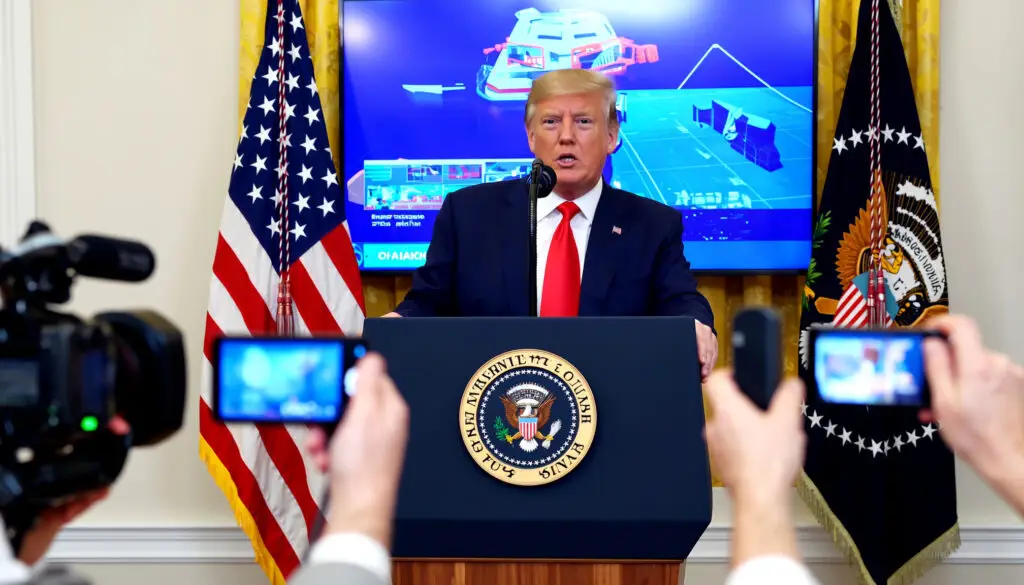
Trump Issues Stark Military Warning Over Iran Nuclear Talks
Donald Trump told Iran that if they didn’t reach a nuclear deal, they would face serious military consequences. He said that the US Navy was ready to act quickly and with a lot of force. The statement was 1 of his most aggressive warnings since the strikes last year.
Trump said that diplomacy was still possible if Iran agreed to limit its nuclear weapons development. He said that negotiations would be good for everyone involved. But the language suggested that patience in Washington was running out quickly.
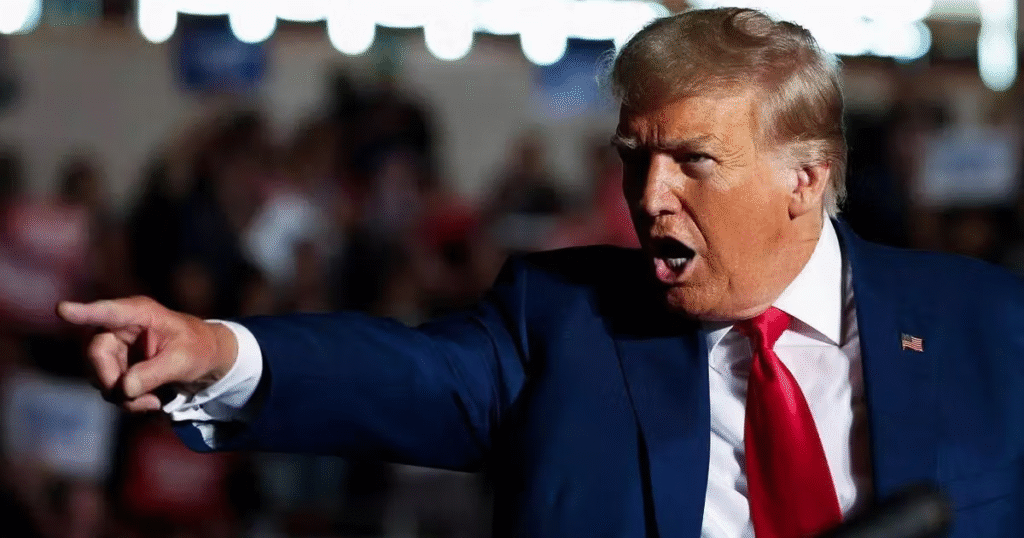
Source: www.iranintl.com
Iran Signals Readiness for Dialogue While Threatening Retaliation
Iran’s response was to say that it is still open to talks based on respect and national interests. At the same time, officials warned that any military pressure would lead to unprecedented defensive retaliation. The 2 messages showed both a diplomatic approach and a deterrent stance.
The Iranian Mission to the UN sent out the warning through social media. Tehran wanted to show strength without completely shutting down talks. The answer made it clear that people were more sensitive to what they thought was outside pressure.
US Naval Buildup Intensifies Regional Security Concerns
Trump said that a large US naval fleet was on its way to the area. The aircraft carrier USS Abraham Lincoln and other ships are in charge of the force. Officials said the buildup was meant to keep people from attacking, not to prepare for an attack.
Marco Rubio, the Secretary of State, said that the stance was wise. He talked about the dangers to American troops who are stationed where missiles and drones can reach them. The administration framed readiness as a necessary defense against rising threats.
Recommended Article: Trump Praises Iran After Reported Halt of Mass Execution Plans
Nuclear Dispute Increasingly Central to US Iran Tensions
Trump’s most recent warnings were mostly about Iran’s nuclear weapons, not about human rights issues in the US. He repeated his claims that previous attacks had done a lot of damage to Iran’s nuclear infrastructure. But international inspectors say that Iran still has stockpiles of enriched uranium.
Rafael Mariano Grossi said that Iran still has technical skills. This assessment made it harder to say that the whole program was going to be shut down. The nuclear issue is now the most important thing for both sides to think about when it comes to diplomacy.
Oil Markets and Currencies React Sharply to Escalation
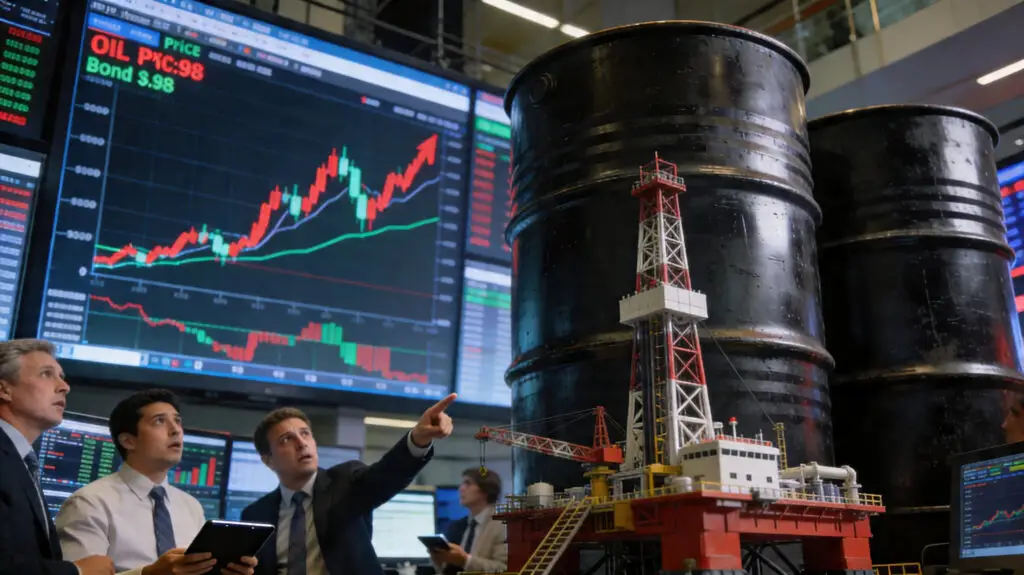
Trump’s comments caused oil prices around the world to rise to their highest level in 4 months. After the warning, the price of Brent crude rose above $68 per barrel. Energy markets reacted to worries about supply problems and a wider war.
The Iranian currency also fell sharply as uncertainty grew again. In informal markets, the rial dropped to about 1.6 million per dollar. Currency pressure has caused unrest at home and made the economy even worse.
Regional Diplomacy Accelerates to Prevent Wider Conflict
Iran stepped up its diplomatic efforts with Middle Eastern powers to keep things from getting worse. Abbas Araghchi, the foreign minister, talked on the phone with leaders from Egypt, Turkey, and Qatar. The point of these talks was to coordinate responses and keep lines of communication open.
The prime minister of Qatar and the crown prince of Saudi Arabia both said they were against more violence in the region. Saudi Arabia said it would not let strikes happen on its land. These kinds of positions show that the region wants to avoid a bigger fight.
Protests and Internal Pressures Compound Iranian Vulnerability
After the currency collapsed and the economy got worse, there is a lot of unrest in Iran. Protests that started in December grew into large demonstrations against the government. According to human rights groups, a later crackdown led to the deaths of thousands of civilians.
These internal pressures are made worse by threats from Washington. Analysts say that instability in the regime makes it harder to make diplomatic decisions. The combination of protests against economic stress and military pressure makes mistakes more likely.