Iran Issues Strong Warning About Threats To Supreme Leader
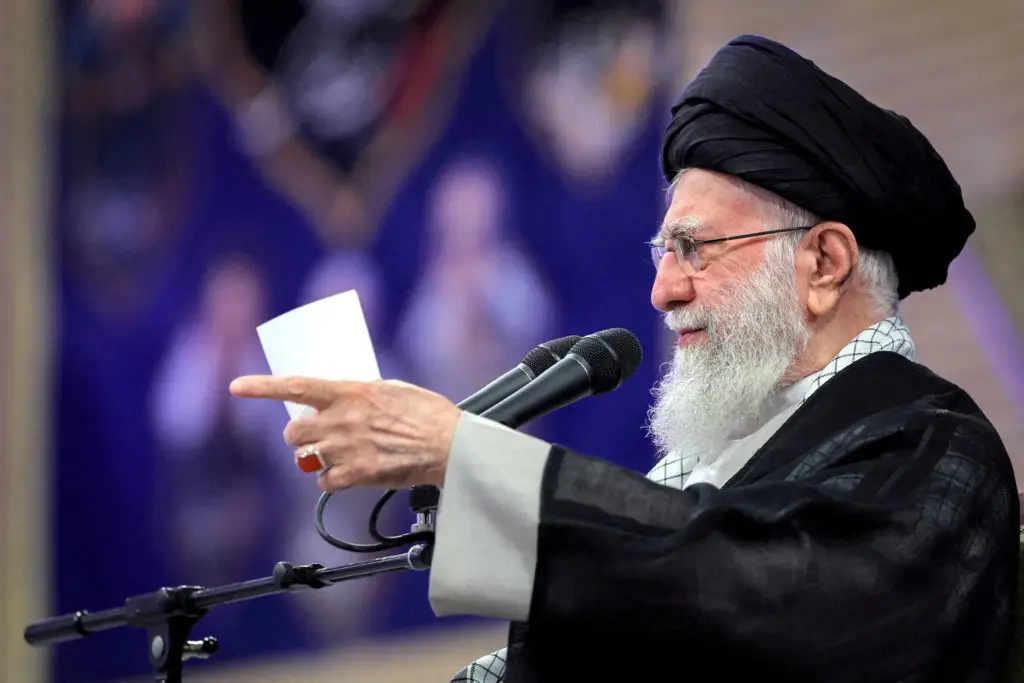
Iran’s president, Masoud Pezeshkian, said that if anyone attacked Supreme Leader Ali Khamenei, it would trigger a full-scale war. He said that harming the country’s highest authority would be treated as an attack on the Iranian people themselves. The statement followed growing speculation about potential U.S. actions targeting Iran’s leadership.
The warning was delivered through a public message stressing national unity behind the supreme leader. Iranian officials said the issue was about life and death rather than politics or diplomacy. The message was intended to deter any foreign consideration of direct action.
Source: PBS/Website
Trump Remarks Intensify Tensions Between Washington And Tehran
Donald Trump’s remarks about Khamenei’s leadership and governance over recent decades prompted the warning. Trump criticized Iran’s leader and suggested the country needed major political change. These comments further escalated already strained relations between Tehran and Washington.
Iranian officials interpreted the remarks as encouragement for destabilization and regime change. They said such rhetoric fueled unrest inside the country and insecurity across the region. The language marked one of the sharpest escalations in recent months.
Protests And Economic Pressure Shape Iran’s Internal Crisis
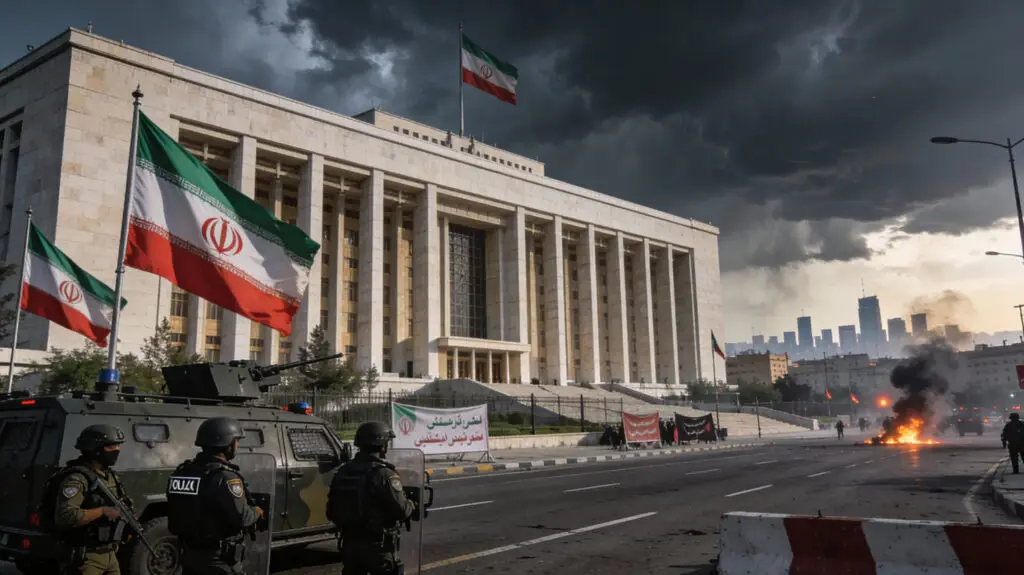
Iran has faced weeks of protests driven by rising prices, currency depreciation, and worsening living conditions. Demonstrations that began over economic grievances expanded into broader anti-government protests. Authorities claim that thousands have died during clashes between protesters and security forces.
The government blamed long-standing U.S. sanctions for economic hardship and public anger. Officials argued that external pressure amplified internal vulnerabilities and social unrest. This narrative has consistently been emphasized by Iran’s leadership.
Recommended Article: Trump Department of War Name Change May Cost $125 Million
Crackdown Measures Include Internet Shutdowns And Arrests
As protests intensified, authorities shut down most mobile and internet services nationwide. These measures aimed to restrict communication and limit external reporting on unrest. Millions of residents were cut off from online access during the shutdowns.
Human rights groups reported widespread arrests and alleged mistreatment of detainees. Security forces conducted large-scale operations across cities and towns. Independent monitoring organizations say thousands remain in detention.
Near Miss As US Thought About Using Military Force
Reports indicated that the United States nearly launched military strikes before backing away. The decision followed diplomatic pressure and warnings from regional partners about escalation risks. Concerns centered on retaliation and broader regional destabilization.
Leaders from Israel and Saudi Arabia reportedly urged caution due to security and readiness risks. Washington’s final decision reflected fears of a wider conflict. The pause underscored the high stakes of any direct confrontation.
International Attention On Human Rights Cases
Iran temporarily halted planned executions amid international scrutiny and diplomatic pressure. One high-profile prisoner was spared execution after reported foreign intervention. Families of detainees continue to seek global support.
Rights organizations allege that protesters face torture, denial of medical care, and unfair trials. Iran denies systemic abuse and blames armed groups for violence. Human rights concerns remain central to international attention.
Uneasy Calm Returns As Tensions Remain High
Heavy security presence continues in cities as street protests subside. Some residents reportedly express dissent through nighttime chants from their homes. Internet access has been partially restored under strict controls.
Officials acknowledge fatalities but attribute unrest to foreign interference. The situation remains fragile amid deep political and social divisions. Iran’s domestic and foreign posture continues to be shaped by ongoing diplomatic tensions.