UK Market Hook Infrastructure vs Local Economy
Written by an infrastructure policy and utilities analyst specializing in water security, public investment, and regional economic impact, this analysis evaluates the trade-offs surrounding a major proposed reservoir in England.
In our analysis of the UK infrastructure landscape, large-scale projects increasingly highlight a recurring tension—national resource security versus localized economic and environmental costs.
The proposal led by Thames Water reflects broader challenges in balancing long-term resilience with immediate community impact.
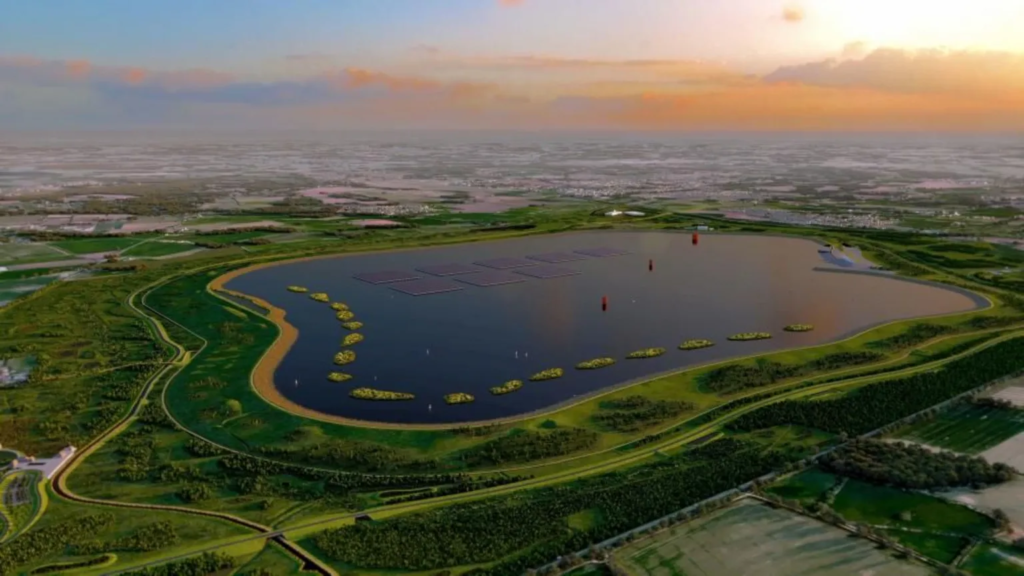
Thames Water’s proposed reservoir would supply 15m people in the south east of England
What Is the Reservoir Project About?
The South East Strategic Reservoir Option (SESRO) is a large-scale water infrastructure project proposed near Abingdon.
Key details include:
- Estimated cost of approximately £7.5 billion
- Area of around 7 square kilometers, comparable to a major airport footprint
- Intended to supply water to up to 15 million people
- Expected completion timeline extending to around 2040
The project is positioned as a long-term response to water scarcity risks in southeast England.
Why the Project Is Considered Necessary
Supporters argue that the reservoir is essential to address future water demand and climate-related pressures.
According to projections referenced by regulators and planners:
- England could face a daily water shortfall of up to 5 billion litres by 2050
- Climate change is increasing the frequency and severity of droughts
- Population growth is placing additional strain on water resources
In our evaluation, this aligns with global trends where water infrastructure is becoming a strategic priority.
Business Impact “Absolutely Devastating”
Local businesses have raised strong concerns about the economic impact of the proposal.
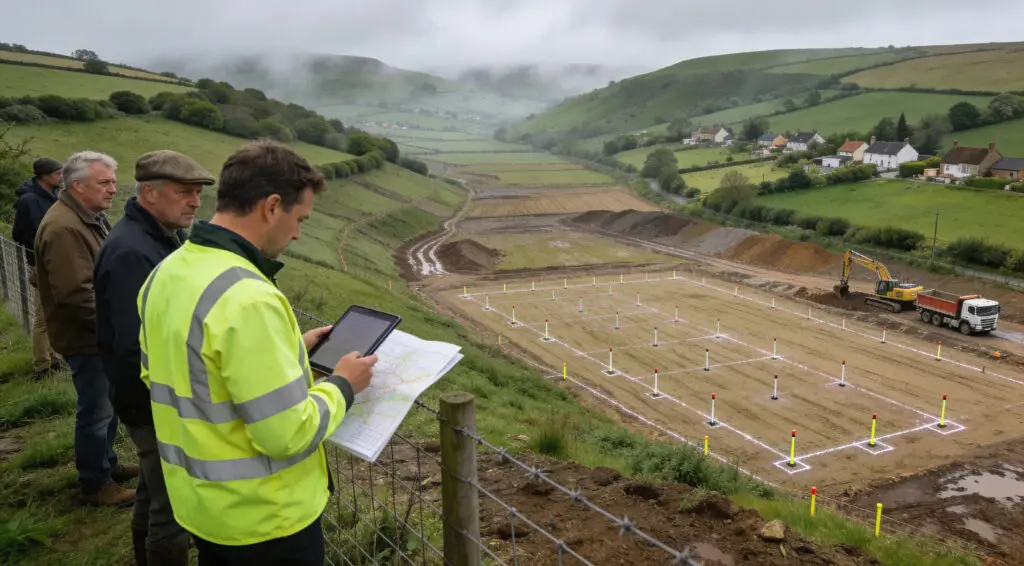
Companies operating within the proposed site—such as V1 Flight—face potential displacement.
Key concerns include:
- Difficulty relocating specialized operational infrastructure
- Loss of long-established agricultural land
- Disruption to employment and regional business ecosystems
From a business perspective, the issue extends beyond compensation to the loss of established operational networks.
Environmental Concerns and Land Use Debate
Environmental groups and local stakeholders have highlighted ecological risks associated with the project.
Key concerns include:
- Loss of farmland and wildlife habitats
- Long-term transformation of the landscape
- Increased emissions and traffic during construction
Critics argue that alternative measures—such as reducing leakage and improving water efficiency—may offer less disruptive solutions.
Political and Financial Uncertainty
The project has attracted scrutiny from policymakers and regulators.
Key issues raised include:
- Rising projected costs prior to construction
- Financial stability concerns surrounding Thames Water
- Risk of increased water bills for consumers
In our analysis, infrastructure projects of this scale often face cost escalation and political resistance.
Potential Benefits Highlighted by Supporters
Proponents emphasize long-term economic and environmental benefits beyond water supply.
Expected advantages include:
- Job creation during the construction phase
- Development of recreational and tourism opportunities
- Potential for biodiversity enhancement initiatives
- Regional economic stimulation
Supporters describe the project as a “once-in-a-generation” investment in national infrastructure.
The Bigger Picture A National Infrastructure Dilemma
The reservoir proposal reflects a broader policy challenge facing the UK.
Key considerations include:
- Securing essential resources for long-term sustainability
- Managing local opposition and environmental impact
- Ensuring financial viability and public accountability
In our evaluation, the outcome may influence how future large-scale infrastructure projects are approached.
Strategic Need vs Local Reality
The proposed reservoir highlights a fundamental trade-off between national resilience and local disruption.
From a policy perspective, long-term water security is increasingly urgent, but implementation remains complex.
The key takeaway is clear:
Sustainable infrastructure development will depend on balancing economic needs, environmental protection, and community impact in a way that maintains both public trust and long-term viability.
This analysis is provided for informational purposes only and does not constitute financial or policy advice.