

Russia Says Inflation Has Dropped Below 6%
Maxim Reshetnikov, the Minister of Economic Development, says that Russia’s inflation rate is now less than 6%. He talked about the update in an interview with the Russian TV station RT.
The drop is a result of stricter monetary conditions that have been in place all year. Officials say that steady policy measures have helped ease price pressures.
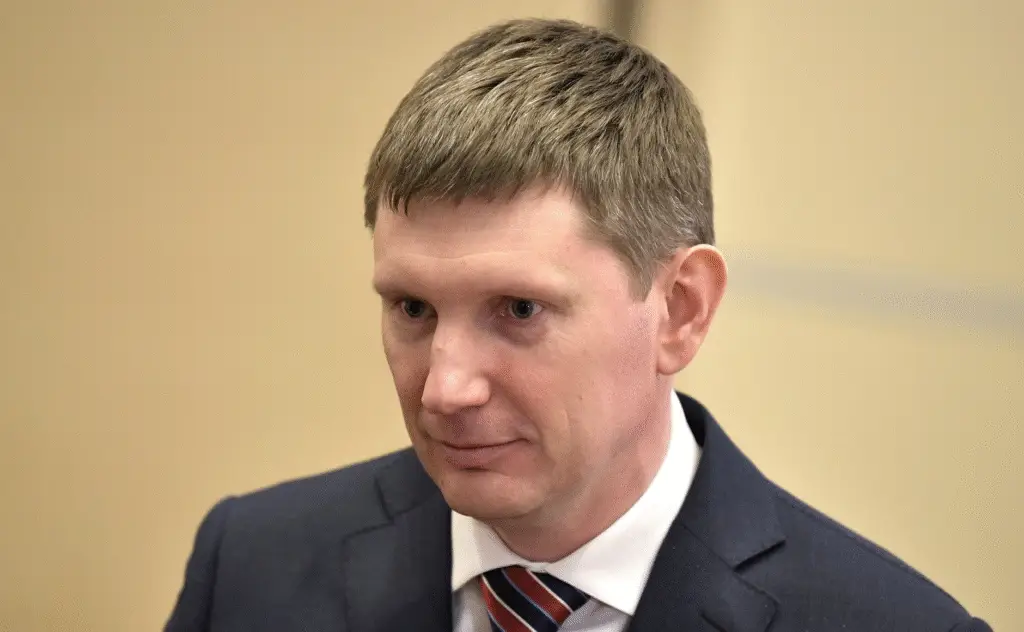
Source: President of Russia
Central Bank Interest Rates Help Control Price Pressures
To keep inflation in check, Russia’s Central Bank has kept interest rates high. The move came after the ruble lost a lot of value earlier this year.
High borrowing costs helped keep prices stable and made people more confident in monetary policy. Officials thought the approach was necessary to keep the economy in balance.
Minister Highlights Broader Signs of Economic Stability
Reshetnikov stressed that Russia’s economy has stayed stable overall. He said that the economy was growing, inflation was going down, and the budget was stable.
He also talked about the strong ruble and the low levels of government debt. These signs were shown to be proof of the economy’s continued strength.
Recommended Article: Canada Unveils $1.8B Economic Aid Package for Ukraine
Investment Projects and Financial System Remain Active
The minister said that all of the country’s major investment projects are still going on. He said that funding sources are still open and helpful.
Reshetnikov says that Russia’s financial system still supports the country’s development goals. This help has kept the economy moving forward in the long term.
Officials Maintain 2025 Inflation Forecast Near 5%
Reshetnikov had said before that inflation would be around 5.7% by the end of the year. Small changes of 0.1 percentage points were okay.
The projection shows that people expect monetary discipline to continue. Officials are still sure that inflation will stay within the ranges they want.
Economy Adjusts to Sanctions Following Ukraine Conflict
After February 2022, Western countries put sanctions on Russia, but the country’s economy has adapted. Structural changes made it less likely that people would buy things from traditional Western markets.
Officials say that businesses in the country have changed the way they do business. These changes helped protect the economy from outside forces.
Trade Reorientation Strengthens Non-Western Partnerships
Alexei Overchuk, the Deputy Prime Minister, said that most trade now happens with countries that are not in the West. Asia and the Middle East are involved in about 87% of trade.
Redirected trade flows helped keep supply chains and export revenues stable. Officials think that diversification is the key to staying strong in the long run.