


Economic Recovery Driven by Proactive Policies
Korea’s economy showed improvement in December 2025 following presidential elections, with coordinated fiscal and monetary policies recognized by AMRO during annual consultations. Economy Minister Yun Cheol Koo and Bank of Korea Governor Chang Yong Rhee discussed stabilizing the economy while encouraging long-term growth.
GDP is projected to grow by 1.0% in 2025 and 1.9% in 2026, indicating cautious optimism. Inflation remains near the Bank of Korea’s 2% target due to stable food prices and declining global energy costs, though rising service sector costs have created some upward price pressure, necessitating careful policy adjustments.

Semiconductor Exports Bolster External Strength
The external sector remains robust due to the boom in artificial intelligence and increased semiconductor demand, supporting a steady current account surplus despite a weaker Korean won from capital outflows. Large foreign reserves offer a financial buffer against external shocks.
The government has implemented extra budgets to stimulate small business and domestic consumption, although this contributes to larger budget deficits, posing a challenge in balancing short-term stimulus with long-term fiscal health.
Housing Market Dynamics and Policy Response
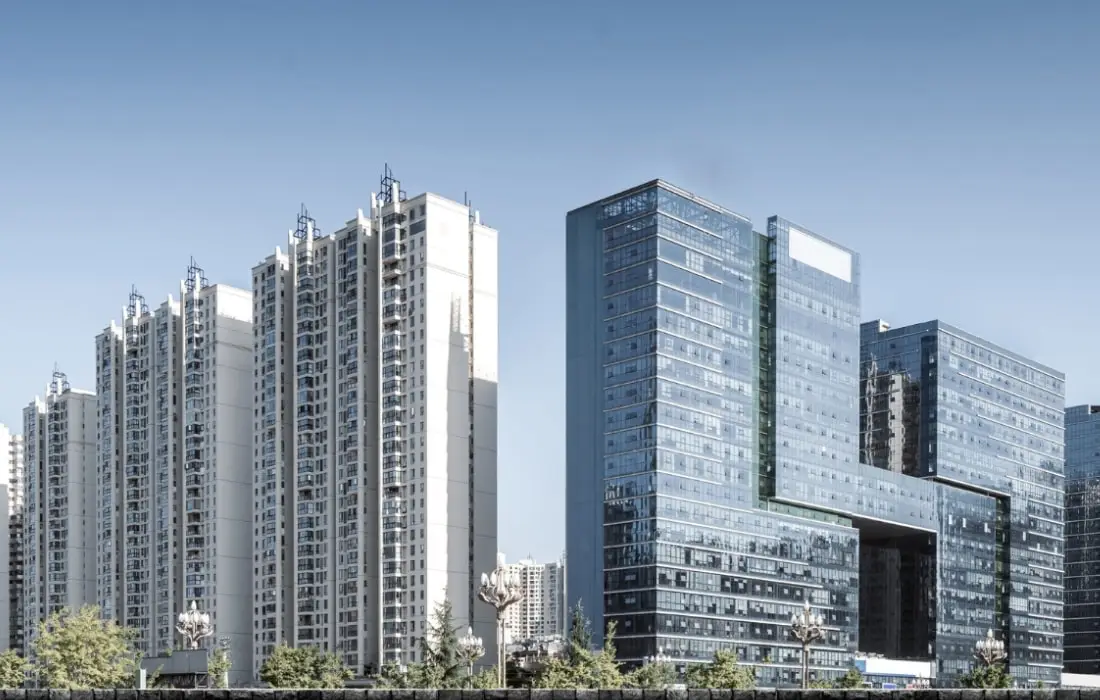
The rising prices of homes in Seoul are still a threat to financial stability. To stop speculative activity, the government has used both demand- and supply-side strategies, such as making it easier to build on greenbelts and expanding housing programs. Even so, monetary authorities need to keep a close eye on things because of high household debt and unstable exchange rates.
The Bank of Korea’s slow cuts to interest rates in 2025 show that it is being careful. The central bank wants to help people spend money and businesses invest without causing inflation to rise again or making currency volatility worse.
Recommended Article: Northwest Indiana Sees Business Leadership Shifts and Honors
AMRO’s Most Important Policy Suggestions
AMRO’s advice made it clear that Korea needs to find a balance between its short-term recovery goals and its long-term resilience plans. The group called for continued caution in monetary policy while fixing problems in the housing market through long-lasting land and development reforms.
AMRO suggested that spending should be in line with structural reforms that aim to increase productivity, build trust in the government, and include everyone in society. It said that a clear fiscal anchor would help Korea keep its debt levels manageable even when things are uncertain around the world.
Demographic Pressures and Labor Reforms
Demographic challenges in Korea, including an aging population and a declining workforce, pose significant risks to future economic growth. AMRO advocates for inclusive policies aimed at empowering women and older workers and facilitating the entry of skilled immigrants.
Additionally, the government is exploring automation and educational initiatives to enhance workforce flexibility, deemed essential for maintaining competitiveness in an increasingly technology-driven global economy.
Strategic Focus on Semiconductor Freedom
Korea’s industrial strategy is to grow its semiconductor ecosystem so that it can make everything from designs and materials to finished products and packaging. This method aims to make the supply chain less vulnerable and improve national security as the U.S.-China tech competition grows.
AMRO praised Korea for taking the lead in encouraging innovation and working together with the private sector. The growth of semiconductor capacity is expected to support long-term growth and strengthen the country’s position as a key player in global technology supply chains.
Strengthening Fiscal Credibility and Long-Term Resilience
Korea faces the challenge of maintaining fiscal discipline while funding growth-enhancing programs. Policymakers must ensure that short-term stimulus does not compromise long-term sustainability, with AMRO recommending a flexible fiscal rule to maintain accountability.
Effective coordination of fiscal, monetary, and structural policies is essential for economic growth amid ongoing trade tensions and demographic challenges. By wisely managing resources, diversifying its economy, and investing in technology, Korea can build resilience and address geoeconomic issues over the next decade.