


Elevated Rates Drive New Fleet Investment Logic
Even though financing rates are still quite high, airlines are not backing off from buying planes as was formerly thought. Instead, they are focusing on updating avionics to make up for the ups and downs in the economy.
Analysts say that enhanced cockpit systems now keep assets stable, which makes planes with digital resilience more appealing to lenders and investors throughout the world.
Avionics Innovation as the New Value Anchor
Digital ecosystems built inside aircraft are better than traditional assets because they make operational costs more predictable and compliance easier. In this area, the Airbus A350 and Boeing 787 have established the standard.
Both models include modular software architectures and real-time diagnostic tools, which let you upgrade their performance without having to do a lot of retrofitting or spending a lot of time offline.
Efficiency Equals Long-Term Value Stability
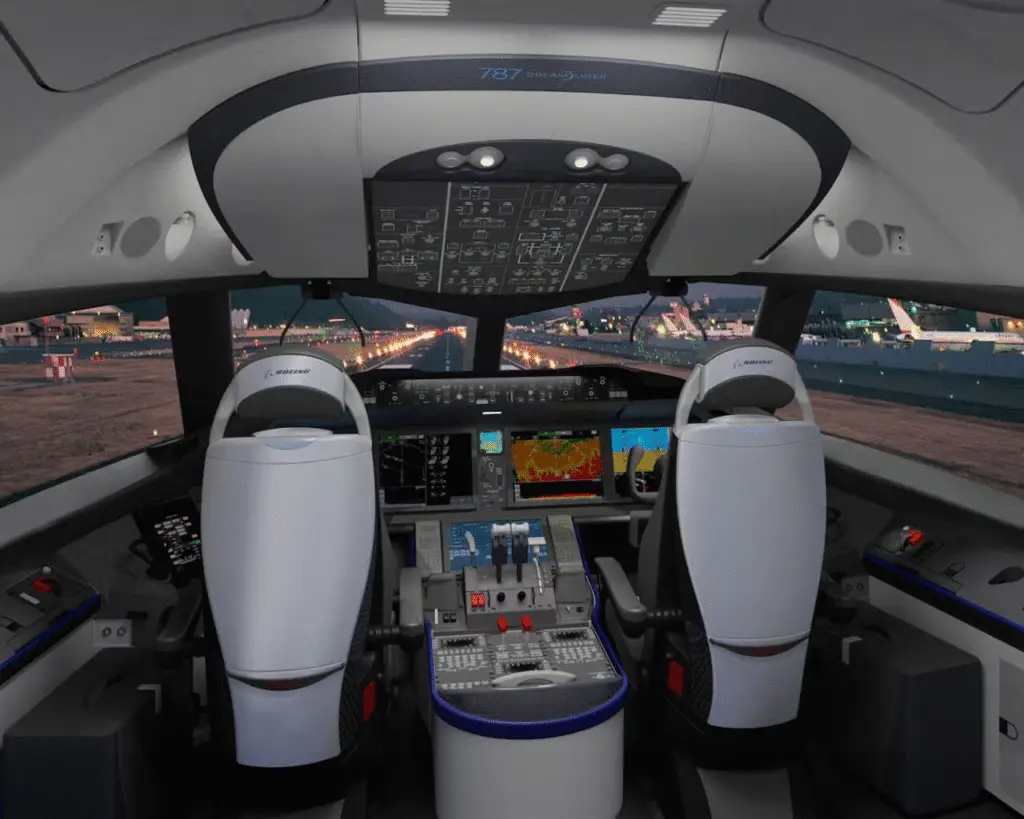
Modern avionics architectures make maintenance easier and more reliable by using modular integration to cut down on mechanical complexity. The A350’s system architecture reduces the number of line-replaceable units, which lowers the risk of needing repairs in the long run.
The 787’s Common Core System and changing software structure, on the other hand, retain value by letting digital updates happen across different manufacturing vintages.
Recommended Article: Taiwan and EU Expand Trade Cooperation via Investment Talks
Narrowbody Market Shifts Toward Adaptability
Investor interest is shifting more and more toward narrowbody planes like the A321neo and 737 MAX 8, whose avionics systems can adapt to changes in regulations in the future. Their preparedness for digital technology makes long-term leasing more appealing.
These models have upgrade routes that can be made bigger for navigation, safety, and data management. This is important since the modernization of airspace around the world will speed up until 2035.
The Decline of Smaller and Legacy Models
The A319neo and other smaller planes are having a harder time finding customers since neither premium airlines nor budget airlines feel them to be the best option. Their avionics still work, but only to a certain extent.
Older aircraft like the A330-200 and 777-200ER still benefit from short-term scarcity, but their old avionics architectures make it harder for them to stay competitive when newer fleets come in.
Digital Predictability Redefines Leasing Priorities
Leasing companies are moving toward planes with modern avionics that can show how efficient they are and how much they will cost throughout their lifetime. Investors would rather have digital continuity than diversity.
This change shows that more people are aware that cockpit systems have a direct impact on residual value, training expenses, and following the rules over the course of decades of use.
The Future of Aviation Economics Is Data-Driven
In global aviation, having avionics that can foresee things is now what gives you an edge over your competitors. In today’s high-interest-rate climate, plans with adaptable digital cores are becoming the most valuable assets.
As lessors put more money into connected fleets, the long-term economics of aviation will depend less on how fuel-efficient planes are and more on how well they operate based on data.