


New Travel Rule Targets Social Media Disclosure for Visitors
The US government wants to make it harder for people to get in by looking into their social media activity over the prior five years. Under Executive Order 14161, the US Visa Waiver Program will apply to those from nations that are part of it.
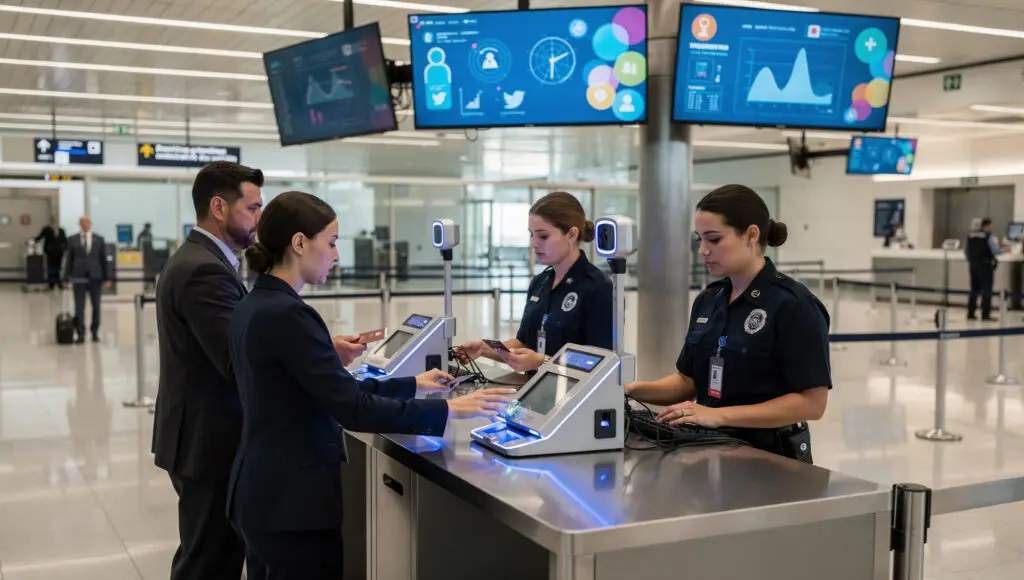
The US Customs and Border Protection (CBP) announced the rule, which aims to improve national security by finding possible risks through digital background checks before they arrive.
Visitors From 42 Visa Waiver Nations to Be Screened
The law applies to anyone who enters the country without a visa using the Electronic System for Travel Authorization (ESTA). Australia, Japan, Germany, and the United Kingdom are just a few of the countries that are taking part.
These tourists, who can now remain for up to 90 days for work or pleasure, would soon need to give specific details about their online activities in order to get permission.
Travelers Required to Submit Five-Year Social Media History
Under the new rules, applicants must list the usernames of any social media accounts they have used in the last five years. They won’t be asked for passwords or direct access to private communications.
Officials will use this data to look at stuff that is publicly available on several sites. Authorities have not made clear what will make something a possible security danger.
Recommended Article: Trump Appears To Doze During Cabinet Meeting Despite Claims
Additional Personal and Biometric Data to Be Collected
The policy further adds to the data collecting by including all phone numbers used in the last five years and email addresses used in the last ten years. The CBP will also start collecting biometric data, including fingerprints, iris scans, and DNA records.
Officials said that these high-value data fields will make verification more accurate. Privacy experts, on the other hand, say that such widespread surveillance may be misused or lead to data breaches.
Broader Context and Implementation Timeline
The Trump administration came up with the idea after making a number of changes to national security earlier in the year. There will be a public consultation period of 60 days before the policy is officially approved.
Since 2019, passengers from nations that don’t allow waivers have had to provide a similar notification. The new regulation makes that criterion apply to those who don’t need a visa.
Experts Warn of Privacy and Anonymity Risks
Lawyers are quite worried about how the policy may affect people’s privacy. Caroline DeCell from Columbia University’s Knight First Amendment Institute argued that it would give the government a lot more ability to spy on people.
She said that people who use fake names might lose their privacy online, and even those who post publicly should expect to be less visible.
Critics Cite Threat to Freedom of Expression and Travel
Civil rights groups warn the law might keep people from coming to the US and violate free speech rights. They say that those who aren’t US citizens will be less likely to have honest conversations online if they think they are being watched.
DeCell also said that if these rules were applied to anyone applying for visas and citizenship, almost all foreigners would have to be watched indefinitely, which raises serious First Amendment problems for the future.