


Arrest of Ahmed Nejib Chebbi Sparks Global Condemnation
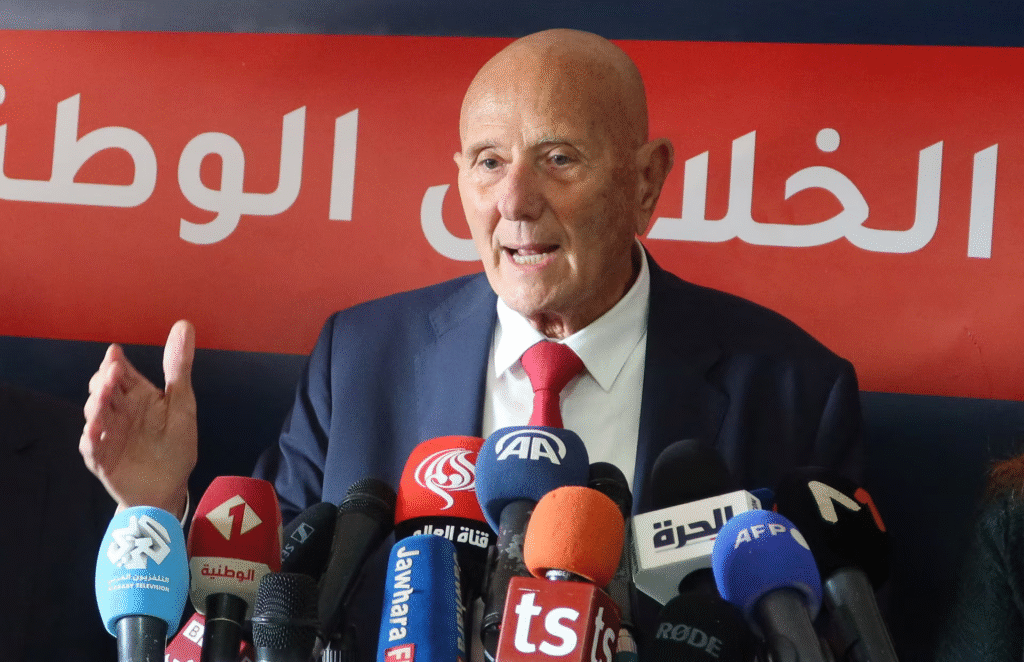
After a 12-year sentence, Tunisian police took Ahmed Nejib Chebbi, the chairman of the National Salvation Front, into custody at his house. The court said he was planning against the state, which human rights organizations say is a false and unfair indictment.
His relatives acknowledged the detention and said it was for political reasons. People claim that this decision makes Tunisia’s democratic decline worse since President Saied took office in 2021.
A Growing Pattern of Political Suppression in Tunisia
Chebbi’s arrest is the most recent in a string of arrests around the country of attorneys, journalists, and critics of the government. In the past several weeks, many opposition leaders have been given hefty prison terms.
Rights groups say that the political climate in Tunisia is becoming more and more restrictive. They say that these arrests are an attempt to stifle dissent and get rid of legitimate opposition voices.
The Political Legacy of Ahmed Nejib Chebbi and His Party
Ahmed Nejib Chebbi helped form the National Salvation Front, which is Tunisia’s main opposition group that fights for democratic government. His party has been very important in speaking out against presidential overreach.
Chebbi always stood up for free elections, an independent judiciary, and political responsibility throughout his career. Supporters say he is a veteran reformer who represents Tunisia’s desire for democracy.
Recommended Article: Tunisia Frees Lawyer Sonia Dahmani After 18-Month Detention
Human Rights Organizations Condemn the Widening Crackdown
Amnesty International called the arrests breaches of international human rights law and called the current trials sham proceedings. The group told Tunisia to throw out any convictions that were based on politics.
The European Parliament agreed with these worries and called for the quick release of people who had been arrested for peacefully expressing their opinions. Human rights activists say that political interference has hurt Tunisia’s court system.
Statements Reflect the Opposition’s Defiance and Resilience
Before he was arrested, Chebbi said that the court’s decision was unjust and lacking legal basis, and he accused the government of abusing its power. He said that judges in Tunisia are no longer free.
He said in his last public interview that political opponents are being punished for crimes they didn’t commit. A lot of people in opposition groups and pro-democracy groups agreed with what he said.
International Pressure and the Tunisian Government’s Response
After facing opposition from across the world, the Tunisian administration called criticism from Western organizations interference in domestic affairs and refused to accept it. President Saied said that European resolutions were only attempts to change internal policy.
Even while diplomats are putting more and more pressure on them, authorities still say their activities are required for national security. Some analysts say that this position makes Tunisia even more alone among its democratic partners.
Tunisia’s Democratic Reputation Faces Critical Erosion
Tunisia’s status as the only democratic success story of the Arab Spring is under danger because of the latest surge of arrests. Civil organizations say that democracy is getting worse and worse.
The National Salvation Front called the proceedings politically motivated and said they were crimes against justice. Activists promise to keep fighting for freedom and change in a nonviolent way.
Outlook for Tunisia’s Political Future Remains Uncertain
Tunisia’s continuous crackdown shows that authoritarian authority is getting stronger. The arrest of high-ranking opposition leaders shows that political plurality and freedom of speech are on the decline.
Experts say that Tunisia might be unstable for a long time if institutions don’t become independent again. International groups are still pushing for accountability and the return of democratic government.