


Tariff Pressure Intensifies As Canada Confronts Significant Economic Risks
Canada’s economy is in a lot of trouble because of new US tariffs that hurt important national sectors. Officials say the nation might lose around CAD $50 billion in expected GDP production.
These losses show that Canada’s trading relationship with the United States has been weak for a long time. The pressure makes the calls for diversification even more essential. This might make the country less dependent on American commercial markets.
Source: Reuters
Government Accelerates Policy Shifts To Strengthen Economic Resilience
Mark Carney, the prime minister, is in charge of making changes to environmental rules in order to lessen the harm. His government made some climate restrictions less strict to let the energy industry grow, which would help exports in the future.
These changes also encourage the building of pipelines that will connect to markets outside of the usual US destinations. Leadership stresses that this kind of diversity is necessary for economic stability because global trade changes are hard to forecast.
Energy Sector Expansion Emerges As Central Component Of National Strategy
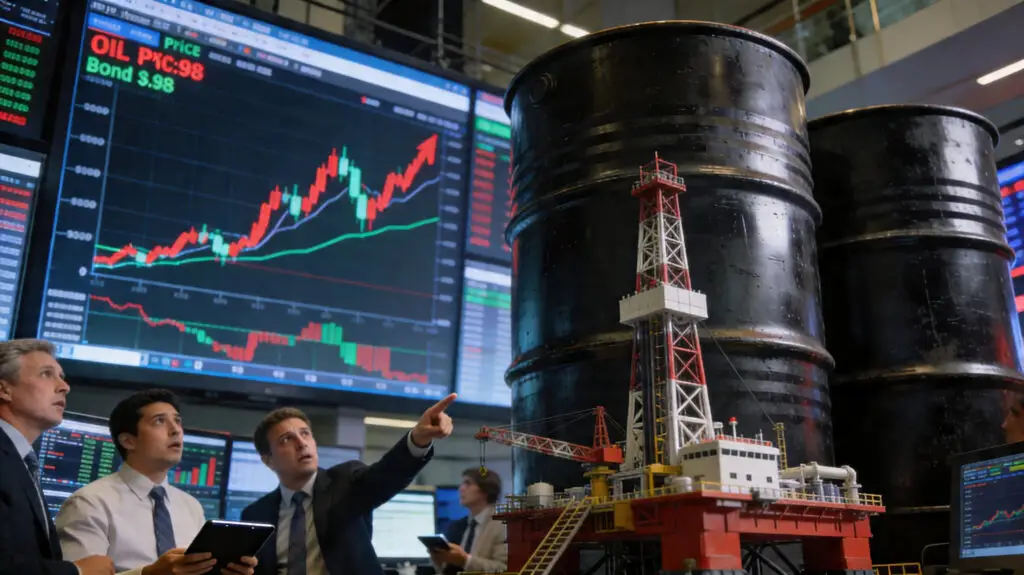
The Canadian government wants to build more oil pipelines to make the market safer in the long run. This breakthrough boosts energy exports, which makes it easier for purchasers throughout the world to acquire energy from the US.
Officials say that focused investment in energy makes revenue more stable when the global economy is unstable. These programs give the country other means to lower its exposure to the effects of US tariffs.
Recommended Article: UN Report Says Gaza Faces Record Economic Collapse
Trade Relations With United States Enter Period Of Heightened Tension
The US tariffs put even more strain on an already fragile commercial relationship that is important to Canada’s economy. Many sectors, including aluminum and steel, are seeing their manufacturing costs go up, which makes it harder for them to compete in the market.
Prime Minister Carney said that it is very important to create other ties in Asia and Europe. The goal of these diversification measures is to keep trade flowing smoothly and protect the country’s wealth under changing conditions.
Diversification Efforts Expand As Canada Seeks New Global Partnerships
Canada increases its outreach to foreign markets by making deals that encourage long-term trade growth. Policymakers think that becoming more involved in the world makes the US less vulnerable to problems that come from relying too much on the US.
These programs help firms adapt to changing rules and regulations, which makes the economy more resilient. Investors keep a careful eye on what’s going on and how it can affect industries that are vulnerable to changes in foreign policy.
Economic Impact Grows As Businesses Navigate Shifting Global Conditions
Industries that rely on access to the US are seeing fewer benefits since tariffs are raising costs. Companies have to rethink their current plans for production, distribution, and investment because of the circumstances.
Economists think that GDP losses may get worse if structural adjustment doesn’t happen. They want government officials to speed up diversification to make sure the economy stays stable in the long run.
Canada Prepares For Future Challenges Through Strategic Economic Reforms
Leaders of the government realize that tariff pressures show deeper fundamental economic problems that need major changes. Their strategy puts innovation in resilience and international collaboration first, which makes the country more competitive.
These plans show that the government is serious about shielding the economy from outside shocks. Policymakers stress that taking strong action will improve Canada’s standing in the world market.