INSEE Confirms Steady French Economic Growth In Third Quarter
The national statistics office of France, INSEE, verified that the country’s GDP increased by 0.5% in the third quarter of 2025, which was the same as what they had said before. Despite outside challenges, the eurozone’s second-largest economy continues to do well.
The number matches what a Reuters survey of 25 experts predicted, which shows that France’s economy continued to grow at a moderate but steady clip despite tough global conditions and cautious consumer spending.

Strong Export Growth Drives Economic Resilience
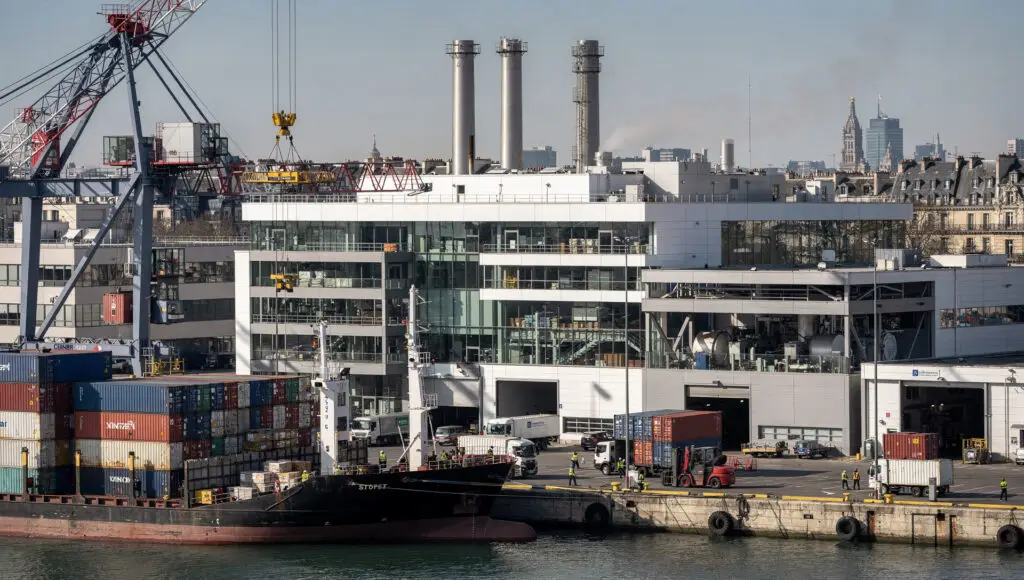
France’s export industry was still the major driver of growth, growing by 3.2% compared to only 0.3% in the previous quarter. A big part of the growth was due to a big jump in exports of transportation equipment, such as cars and parts for the aircraft industry.
This rise in exports shows that France’s industrial base is competitive and can change to meet changing worldwide demand, even when commerce in Europe is facing bigger geopolitical and logistical problems.
Household Consumption Remains A Modest Growth Contributor
Household expenditure, which has always been the main driver of France’s economy, went up by 0.1% from the previous quarter. The little rise shows that consumers are being careful with their money even while inflation is still high and many are worried about their finances.
A rise in spending on services and energy offset a drop in spending on food, which suggests that people are putting more value on basic and experience consumption.
Recommended Article: UN Report Says Gaza Faces Record Economic Collapse
Energy And Service Spending Compensate For Food Decline
Household spending went up a lot during the summer quarter because people used more energy as they got used to the warmer weather and increased utility rates. Seasonal demand also helped service businesses like hotels and entertainment.
Meanwhile, people are spending less on food, which shows that they are price-sensitive and changing their eating habits. This is because they are more interested in value-driven or locally sourced options because of continuous worries about the cost of living.
Industrial Output Strengthens Amid Broader Eurozone Stability
France’s strong manufacturing and exports helped boost GDP growth, even as other eurozone countries were stagnant. The transportation and machinery industries did the best, which helped make up for lesser growth in construction and retail.
This steadiness shows how important France is to the eurozone’s economic resiliency. Even while global commerce is less, France’s production is still good for the area.
Economists Highlight Signs Of Sustained Momentum
Analysts see the 0.5% increase as proof of a gradual but cautious recovery, and they point out that France is still doing better than many other European countries. The results point to structural stability, which is backed up by government spending and targeted tax breaks.
Experts, on the other hand, say that continuing inflation, energy price swings, and concerns in global trade could potentially slow GDP in the next several quarters unless consumer confidence rises.
INSEE Projects Mild But Stable Expansion Through Early 2026
INSEE says that France’s GDP growth would be low but steady until early 2026. Exports and industrial investment are projected to keep the economy going. The government’s economic policy and the EU’s recovery funding should also help things go better in the future.
As inflation slows down and people’s buying power goes up, economists think that household spending may slowly pick up speed. This may make France one of the eurozone’s steadiest economic engines.