


Trump’s New Push To End The War Faces Familiar Barriers
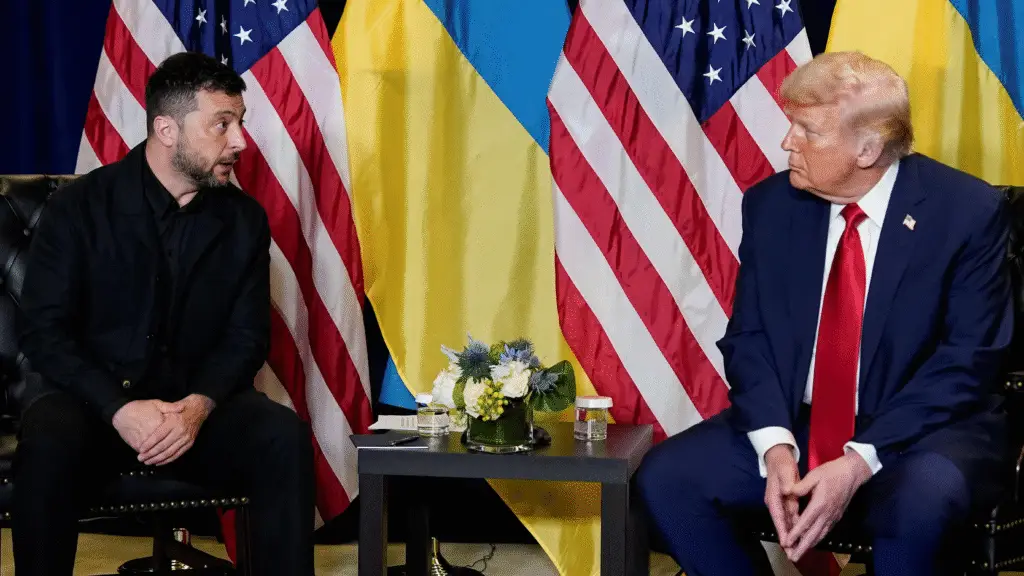
President Donald Trump’s most recent attempt to bring peace to Ukraine is once again pushing the boundaries of diplomacy and power politics. Washington is happy with the “tremendous progress,” but the strategy might lead to the same cycle of delayed discussions and distrust that has been going on since 2022.
Trump wants to build a name for himself as a global dealmaker; therefore, he is pushing for a solution that opponents fear might help Moscow and hurt Kyiv’s sovereignty. His tone and wording imply that he is looking for “any deal that ends the fighting,” even if it is contentious.
Source: BBC
Kyiv Caught Between Concessions And Survival
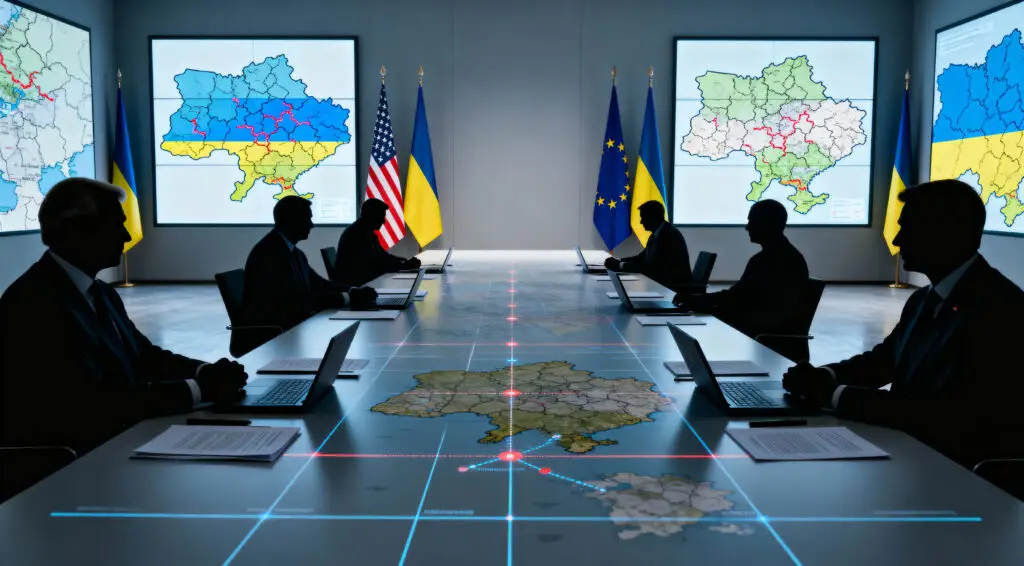
The latest U.S. plan puts Ukraine in a tough spot: they have to choose between survival and sovereignty. European leaders said Trump’s first 28-point draft was too good for Russia, which makes Kyiv think about limiting its military and maybe giving up some land.
Ukrainian authorities say they can’t agree to terms that would put their ability to defend themselves or their future independence at risk. But their partners don’t want to challenge Washington, so they don’t have much power other than to oppose via negotiation.
Europe Balances Diplomacy And Security Anxiety
European partners, like France, Germany, and the U.K., are in a diplomatic bind. They depend on U.S. help and weapons, and they officially hail Trump’s peace proposal while secretly rewriting it to get rid of pro-Russia parts.
Their doubts are still strong since there have been more Russian hacks, sabotage, and drone invasions across the continent. Keir Starmer and Emmanuel Macron are two leaders who say that any sustainable settlement must protect Ukraine’s safety instead of freezing the war on Moscow’s terms.
Recommended Article: Trump Peace Plan And Epstein Files Stir US Political Tensions
Inside The U.S. Peace Machine
Steve Witkoff, a real estate businessman who has never worked in diplomacy, is now a critical link between Washington and Moscow. His released messages imply that he was working informally with Russian officials, which makes the U.S. mediation effort seem less objective.
The White House argues that Witkoff talks to both parties almost every day, even though there are problems. Trump’s unusual style of diplomacy is shown in his mission, which values personal influence and the appearance of progress above traditional diplomacy.
Ukraine’s Position: Resist, Negotiate, Survive
President Volodymyr Zelensky is still being careful, which suggests that Ukraine might improve the U.S. plan but not entirely accept it. Kyiv’s key problems include Russia’s insistence that NATO not be allowed to join, the demilitarization of Donetsk and Luhansk, and constraints on Ukraine’s military forces.
Ukrainian MPs say that these provisions might lead to more invasions in the future. Inna Sovsun, a member of parliament, said, “The only question ever asked is what Ukraine will give up, not what Russia will.”
Momentum Or Mirage In Washington?
People in Washington may be optimistic, but things on the ground may not be moving forward. U.S. officials talk about “substantial progress,” while Kyiv downplays tales of breakthroughs. Analysts suggest that the illusion of momentum may be more useful for political than diplomatic purposes.
The administration puts more pressure on both parties to stay at the table by showing movement, even if no real progress is made. The plan is similar to what was done in previous ceasefire discussions in Gaza, when little successes kept optimism alive even though the outcomes were weak.
Trump’s Peace Plan Hinges On Russia’s Willingness To Concede
In the end, the success of Trump’s peace plan depends on whether the Kremlin is prepared to make concessions, not on Washington or Kyiv. There is no hint that Russian President Vladimir Putin is backing down, and experts say that Moscow may drag out talks to buy time and land.
If this tendency continues, the globe may witness another round of proposals, rejections, and fights. If Moscow doesn’t make a real change or if the West doesn’t come together more strongly, the “Trump peace plan” might just be another chapter in the war’s never-ending cycle of diplomacy and postponement.