



A Star Strategist Faces The Harsh Reality Of Politics
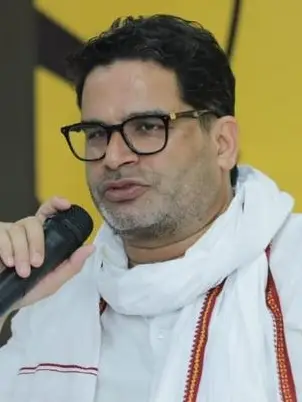
For a long time, Prashant Kishor was the go-to political strategist in India, offering counsel to prominent figures like Narendra Modi and Mamata Banerjee. His knack for analysis and data-fueled strategies revolutionized the way campaigns were run.
Yet, when Kishor himself stepped into the political arena with Jan Suraaj, pledging to transform Bihar via fresh ideas and effective government, his approach stumbled. Even with a prominent presence and much effort, his party didn’t secure a single victory.
Jan Suraaj’s Technocratic Vision Meets Political Tradition
Jan Suraaj, a political start-up, sought to shake up Bihar’s long-standing, caste-based political landscape. Kishor’s campaign focused on government, jobs, and migration, all pressing concerns for millions.
Yet, analysts point out that the campaign struggled to connect emotionally and failed to achieve widespread public participation, both of which are crucial for political success in India. The initiative was driven by statistics, not by a natural, grassroots movement.
Why Indian Political Start-Ups Struggle To Break Through
Since the 1980s, the survival of new political parties has been rare without considerable societal or regional support. Parties such as the Aam Aadmi Party and the Telugu Desam Party found their footing in the wake of widespread demonstrations or localized issues, tapping into the public’s sentiments.
Jan Suraaj didn’t have that kind of basis. Kishor’s party couldn’t turn public interest into votes since there was no widespread dissatisfaction with the current government or a shared complaint. Analysts have observed a pattern: Indian voters tend to choose established figures and proven track records rather than embracing untested ideas.
Recommended Article: Bulgarian President Blocks Lukoil Refinery Oversight Law
Media Attention Without Ground Strength Can Backfire
Kishor’s campaign generated a significant amount of media attention and gained considerable momentum on social media platforms. However, the increased visibility didn’t lead to greater voter trust or a more accurate depiction.
Many observers felt that his choice not to run himself damaged the party’s credibility. While his plan garnered approval, some wondered if he was truly ready to take charge.
The Missing Emotional Energy Behind Jan Suraaj
Historically, movements such as the Aam Aadmi Party found their footing thanks to leaders like Arvind Kejriwal. He was willing to gamble on losing elections to demonstrate his dedication. Kishor, on the other hand, preferred to remain in the background.
Without a personal connection or populist appeal, Jan Suraaj struggled to create the emotional bond needed to transform followers into devoted supporters. This lack of connection was a major problem in Bihar’s political environment.
Bihar’s Evolving But Still Cautious Electorate
Bihar’s voters, analysts say, are a blend of practicality and change. Although younger voters often support reform-minded policies, they also tend to choose established political parties that promise stability.
Kishor’s reformist message, while academically interesting, didn’t inspire confidence in its success. In a society still shaped by old alliances, trust is mostly built on inherited relationships and loyalty.
Analysts Say Kishor’s Persistence Could Reshape Bihar Politics
Kishor has committed to staying engaged in Bihar, prioritizing local leadership and a sustained presence in the state. Experts believe his approach might succeed if Jan Suraaj remains active after the election.
If it continues for several years, its initial effort might develop into a significant effect by the year 2030. Voters might yet be swayed by Kishor’s determination if his party demonstrates staying power, not just words.