



YouTube Introduces AI Playlist Tool For Premium Users
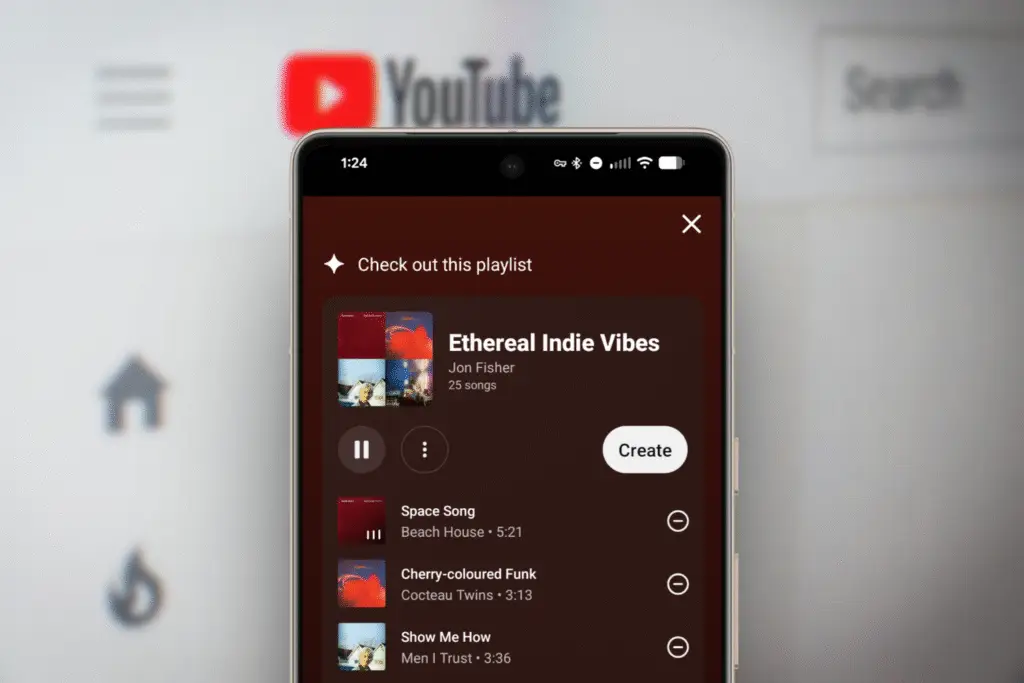
YouTube has released an AI playlist generator just for its Premium subscribers around the world. Users can make their own music mixes by just saying what kind of mood or genre they like. YouTube is rolling this out to both iOS and Android devices as part of its changing subscription strategy.
The company wants to make it easier for people to find new music by making it easier for them to make playlists. Instead of looking for individual songs, users can trust AI to quickly put together playlists. This update makes YouTube stronger in the streaming ecosystem, which is becoming more and more competitive around the world.
Source: Lifewire/Website
How The AI Playlist Generator Actually Works
Premium users can find the feature by going to the Library tab in the YouTube app. They can choose the dedicated AI playlist button after tapping the “New” option. After that, the system asks users to describe the type of music they want using text or voice commands.
YouTube’s AI looks at the request and makes a personalized playlist in just a few seconds. Prompts can be about specific genres, emotions, or events. The playlist that was made shows what the user wanted without having to choose or arrange the songs by hand.
Personalized Music Discovery Through Natural Language Prompts
With the new tool, subscribers can ask for playlists using everyday language. Users can choose from genres like death metal, indie pop, or Bollywood hits from the 1990s that make them feel nostalgic. They might also talk about moods for certain situations, like chill house mixes for laid-back get-togethers.
The AI uses natural language to create a listening experience that is unique to each person. This method does away with the need for static, pre-made editorial playlists that used to be the norm on streaming platforms. It makes YouTube a better music partner for subscribers by making it more responsive and easy to use.
Recommended Article: Azerbaijan Showcases Defense Technology At Riyadh Expo 2026
YouTube Expands Its Artificial Intelligence Music Experiments
This launch is based on YouTube’s earlier work with AI-powered music discovery tools. The company tried out customizable radio stations made from descriptive prompts in the middle of 2024. The new playlist generator takes that idea and makes it into a more general feature that can be sold.
YouTube shows that it will keep investing in smart content personalization features by adding more AI features. These improvements are part of a larger trend in the industry toward user experiences that are driven by automation. Digital entertainment platforms that want to stand out are using artificial intelligence more and more.
Competition Intensifies Across Streaming Platforms
YouTube isn’t the only service that lets subscribers create playlists with AI. Other services like Spotify, Amazon Music, and Deezer have also added smart curation features that are similar. As platforms try to keep users, the race to improve personalization has gotten even more intense.
Streaming services see AI as a key way to keep paying customers. Listeners are more likely to engage with and see more value in a subscription when it is tailored to them. This competitive environment speeds up new ideas in the world of music streaming.
Google’s Premium Strategy Becomes More Important
YouTube is trying to make its Premium subscription service better, and the AI playlist rollout is part of that. Recently, the platform made it harder for some free tier users to get to song lyrics. It looks like these changes are meant to get people to switch to paid membership plans.
Google has made it clear that growing subscriptions is a top priority for making money across its ecosystem. The business says it has hundreds of millions of paying subscribers across services like YouTube Premium and Google One. Adding more exclusive features helps keep recurring revenue streams growing.
AI Playlist Feature Signals Future Of Music Consumption
Making playlists with artificial intelligence is a new way for people to interact with music. Instead of looking through long lists, users can directly tell the system what they want by answering simple questions. This model puts a higher value on understanding the context and getting results quickly than on traditional search methods.
As AI systems get better, music streaming might become more like a conversation and more flexible. Platforms that make it easy to use and personalize could have long-term benefits. YouTube’s most recent move suggests that the next phase of digital audio experiences will be defined by AI.