Strategic Rationale Behind Merging SpaceX And xAI Operations
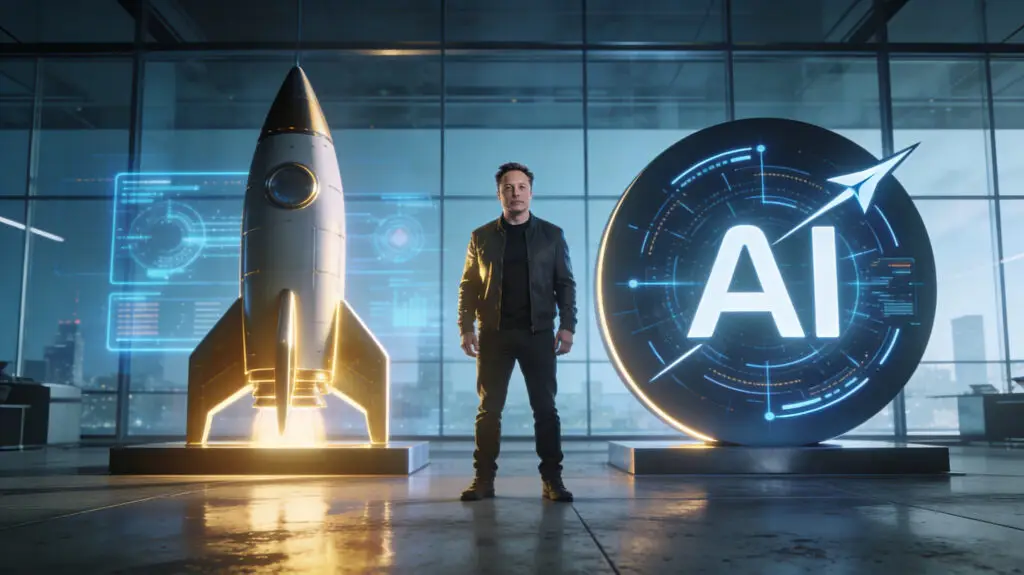
Elon Musk merged SpaceX and xAI to make sure that the size of hardware matched the goals of artificial intelligence around the world. The merger makes one company worth about $1.25 trillion, which surprised markets all over the world. Supporters see visionary integration, but critics question whether the proposed technologies will be fair to shareholders and work in the long term.
The deal brings together a profitable launch business and an AI startup that needs a lot of money to get started under one leader. It puts a higher value on SpaceX than xAI, which makes non-Musk investors around the world worried about governance today. Timing is also important, as plans for flotation should be made public at the same time as big stories and symbolic milestones.
Source: The Guardian/Website
Linking Rocket Infrastructure With Artificial Intelligence Development Goals
Musk says that artificial intelligence needs a lot more computing power than what is available in data centers on Earth. He imagines data centers in space that use solar power and satellites to get around the limits of energy on Earth. This method links SpaceX’s ability to launch rockets directly to its plans to build more advanced artificial intelligence infrastructure.
Musk thinks that space can solve the problems that AI companies are having with power-hungry facilities. In theory, satellites could provide distributed computing because they are always in the sun and cover the whole world. But experts say that problems with networking, latency, and maintenance could make practical execution much harder.
Technical Problems With Ideas For Space-Based AI Data Centers
Researchers say that today’s satellites don’t have enough computing power to handle heavy artificial intelligence workloads. To make Musk’s dream come true, there would have to be distributed systems all over the world that worked perfectly together. The quality of the connections between orbiting units is still a big problem for reliably replicating the performance of data centers on Earth.
There are also risks like radiation exposure, parts breaking down, and expensive repair logistics in space. Data centers on Earth can be fixed all the time, but repairs in space are still hard and expensive. These technical problems make it hard to believe the promised timelines for scalable orbital artificial intelligence compute.
Recommended Article: SpaceX And xAI Merger Talks Fuel Musk 2026 IPO Strategy
xAI Moving Toward SpaceX Capital Support Because Of Financial Pressures
xAI has to compete with companies that spend hundreds of billions of dollars on data centers and chip supply. xAI doesn’t have a mature cash-generating legacy business that can fund its growth, which is different from its biggest competitors. Reports say that xAI lost billions of dollars recently, which made it even more important for them to get outside funding quickly.
By merging with SpaceX, xAI becomes more appealing to investors and its balance sheet looks stronger. Long-term investors are interested in SpaceX because it is profitable and strategically important. Supporters say that consolidation makes xAI more stable while also protecting Musk’s bigger goals for artificial intelligence.
Impact Of The Merger On Existing SpaceX Shareholders
SpaceX makes money in simple ways, like by launching rockets, providing Starlink services, and getting government contracts. Folding xAI adds narrative complexity and a lot of ongoing cash burn to financial projections. Investors in the secondary market often like things to be simple, which could make valuing a company and setting IPO expectations much harder.
Now, shareholders have to look at both the risks of artificial intelligence and the performance metrics for aerospace execution. The merger requires more research into how xAI losses will affect SpaceX’s ability to make money. Some investors like the chance for more upside, but others worry that a business model that was once focused will become less so.
What Social Media Platform X Does In The Bigger Company
The merger indirectly includes X, a platform that is under scrutiny from regulators and politicians around the world. X makes the SpaceX xAI structure more complicated and adds risk to its reputation. Its integration makes people wonder about things like distraction, compliance burdens, and worries about long-term strategic alignment.
Even though there is some disagreement about it, X gives real-time data streams that are useful for training artificial intelligence. Musk thinks that platform scale will help AI grow and spread. Some people say that regulatory pressure could spread to other parts of the business, making things even more uncertain for the whole group.
Future Possibilities Including A Potential Tesla SpaceX Combination
Some analysts think that Musk may next try to merge his companies even more. If Tesla and SpaceX worked together, they could make a technology ecosystem that includes energy, transportation, and intelligence. This kind of move would give more control to one person while making the company much bigger, more powerful, and more valuable.
Supporters think the timing is right because similar valuations and overlapping AI strategies are starting to show up. Skeptics say that more mergers could make governance risks and investor unease much worse. Musk’s consolidation, whether he knows it or not, shows that he wants to control the world’s future technological infrastructure.