



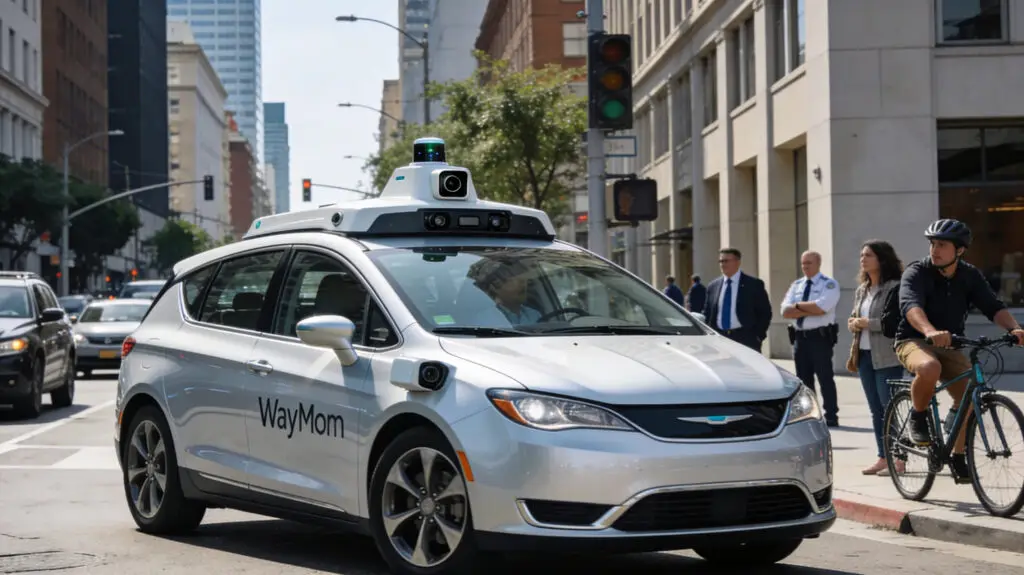
Waymo Leadership Promotes Future Of Autonomous Robotaxis
Waymo’s Tekedra Mawakana and Dmitri Dolgov are working hard to promote the future of self-driving cars. The two co-CEOs say that robotaxis without drivers can greatly cut down on accidents on the road and make it easier for people to get around in cities. Their public advocacy is aimed at policymakers, regulators, and communities that are looking at the future of self-driving cars.
Leaders of the company stress that self-driving cars could change the way cities run their transportation systems. People who don’t have access to private cars may find it easy to get around with autonomous ride-hailing services. Waymo thinks that a lot of people using their service could change how people travel in big cities.
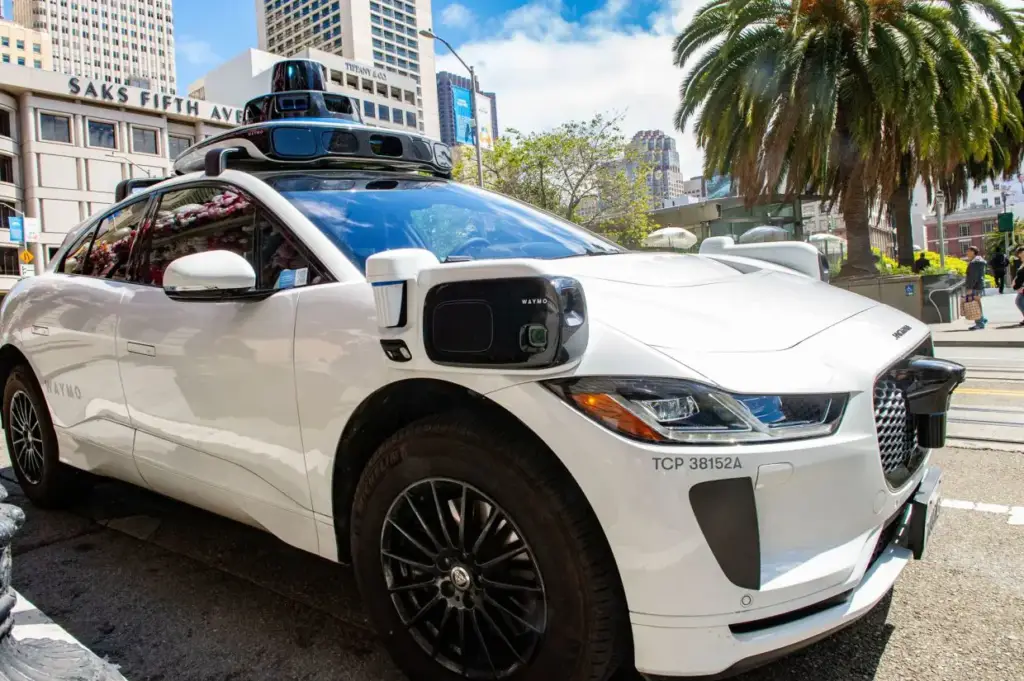
Source: The Star
Autonomous Vehicle Technology Expands Across Major Cities
Waymo runs self-driving ride services for businesses in several US cities, such as Phoenix and Los Angeles. The company also started pilot programs in Miami, Austin, and a few other big cities. These deployments are some of the most advanced real-world testing grounds for self-driving cars.
Waymo cars have driven hundreds of millions of miles using self-driving systems over the years. Engineers can improve the algorithms that control navigation safety and traffic behavior through a lot of testing. The company keeps adding more vehicles to its fleets and expanding the areas it serves.
Robotaxi Services Aim To Reduce Traffic Accidents
Waymo leaders often talk about the safety benefits of expanding driverless vehicle services. Sensors, cameras, and AI that are made to find dangers right away are what make autonomous systems work. Supporters say that machines can react faster than people when things go wrong on the road.
One of the strongest reasons to support self-driving cars is that they could help reduce traffic deaths. Most accidents that happen on public roads around the world are caused by people making mistakes. Developers think that automated driving systems could cut down on those accidents by a lot.
Recommended Article: Judge Blocks Federal Reserve Probe Citing Lack Of Evidence
Regulatory Debates Continue Across US Cities
Even though technology has come a long way, getting regulatory approval is still one of the biggest problems for robotaxi growth. Many cities and states are still arguing about how self-driving cars should work with the transportation systems that are already in place. Policymakers need to look at the rules for safety, liability, and how things should work.
Some plans to let more driverless cars operate have already met with political opposition from local leaders. In New York, there was a lot of resistance to efforts to expand robotaxi services outside of New York City. Critics say that regulators need to carefully weigh the risks before allowing wider use.
Public Trust Plays Major Role In Robotaxi Adoption
How quickly autonomous vehicles become popular depends a lot on how people feel about them. A lot of people are still wary of letting AI drive cars without a human in charge. Many people still worry about how safe and reliable technology is and how often it breaks down.
People also talk about how the changes will affect professional drivers’ jobs. Automation could hurt the economy for ride-hailing drivers, delivery drivers, and taxi drivers. Because of this, policymakers think about the social effects of technological progress as well.
Competition Intensifies Within Autonomous Vehicle Industry
Waymo works in a field where many companies are trying to make self-driving cars in different ways. Another well-known company working on self-driving technology for future robotaxi networks is Tesla. But in many situations, Tesla systems still need to be watched over by people.
Waymo’s main goal is to create fully autonomous systems that can work without drivers in the car. Before this method can be used by a lot of people, it needs to go through a lot of safety tests and get permission from the government. Different technological strategies show how the field of autonomous transportation innovation is changing.
Robotaxis Could Transform Future Urban Transportation
Waymo’s leaders think that clear rules could help self-driving transportation networks get a lot of benefits. Driverless cars could help older people or people who can’t drive get around. These services could also help ease traffic and make urban road networks work better.
Advocates say that robotaxis could change the way transportation works in big cities all over the world. Autonomous fleets could make it less likely that people will own their own cars while making it easier for people to share rides. The ongoing debate is part of a bigger question about how AI will change transportation in the modern world.