Misconceptions About Politics and Public Perception
A lot of people in the U.S. now think that politics is always wrong and should be avoided at all costs. This false belief makes people cynical and uninterested, which weakens the foundations of democratic involvement.
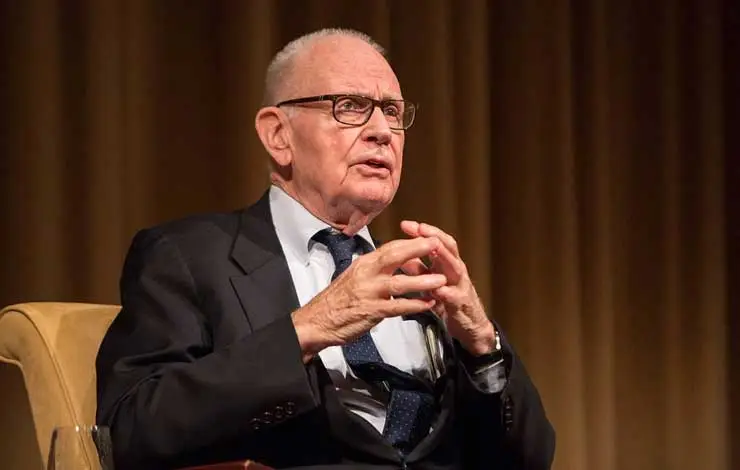
Lee H. Hamilton, a former congressman, says that politics is just the way that civilizations run themselves. He thinks that refusing to become involved in politics hurts communities and slows down growth as a group.
The Value of Participating in Democracy
Hamilton says that not becoming involved in politics hurts democracy. Political systems work best when people are involved in government and hold each other accountable.
Corruption may grow uncontrolled when people turn away from politics. Civic involvement, on the other hand, makes sure that all government institutions are open and led by people who are honest.
Politics and Ministry Share a Moral Foundation
Hamilton connects politics to ministry based on his own experiences, saying that both require empathy and a strong moral sense. Every job helps people by making their lives better and making things fair.
He remembers people being skeptical when he chose a job instead of following his brother into the church. But he says that all pathways need a commitment to doing good and serving the public.
Recommended Article: Manchin Calls to Cool Attack Politics as US Violence Rises
Founding Principles Rooted in Private and Public Virtue
Hamilton reminds people that the people who started America thought that morality was important for running the country. People like John Adams said that both individual morality and public duty are important parts of democracy.
The founders’ writings show that they thought that ethical citizenship is what keeps republics going. Public virtue and national stability will always go down if people don’t have honesty.
Historical Leaders Who United Ethics and Strategy
Hamilton talks about leaders like George Washington, Thomas Jefferson, and Abraham Lincoln, who were moral leaders even though they had to deal with political problems. These people put their principles ahead of their ambitions to bring the country together.
Lincoln, in particular, was a good example of morality in the middle of battle. He was torn between the moral costs of war and the Union’s goals of equality and justice.
Modern Challenges of Corruption and Polarization
Hamilton says that modern politics has moral problems, such as partisanship and the power of money. Scandals involving wrongdoing hurt public trust and the integrity of politics.
But he says that corruption is not everywhere. He contends that the majority of elected politicians execute their responsibilities with integrity, motivated by ethical principles and a sense of civic duty.
Restoring Faith Through Accountability and Virtue
Hamilton says that citizens have the most ability to change the government by picking leaders who are honest. Accountability improves public morality and makes politics more in line with democratic values.
He concludes that voters will get the leadership they genuinely deserve if they take on civic duty by voting, being active, and being honest.