


Prisoner Releases Follow Collapse of Maduro-Era Authority
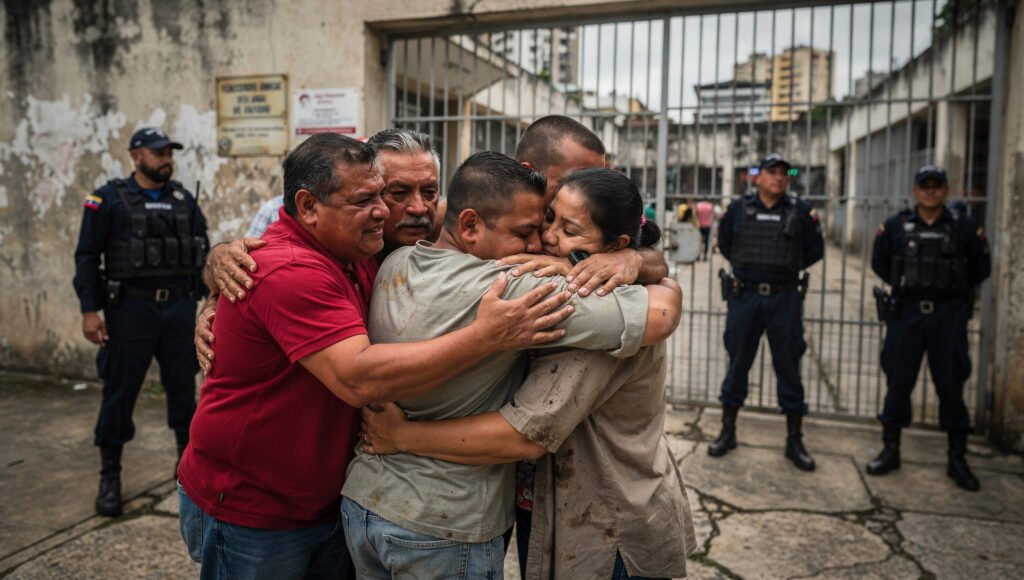
Venezuela has begun releasing political prisoners following the removal of Nicolás Maduro from power after years of repression. The move comes in the wake of a U.S.-led operation that dramatically reshaped the country’s political landscape. Families gathered outside detention centers for long-awaited reunions, though uncertainty over the broader transition remained high.
For over thirteen years, authorities detained thousands of protesters, students, and opposition figures. These arrests were used to silence dissent and preserve authoritarian control. The new government now faces mounting pressure to dismantle this legacy responsibly and transparently.
Source: AP News
Slow Pace of Releases Fuels Concern Among Rights Advocates
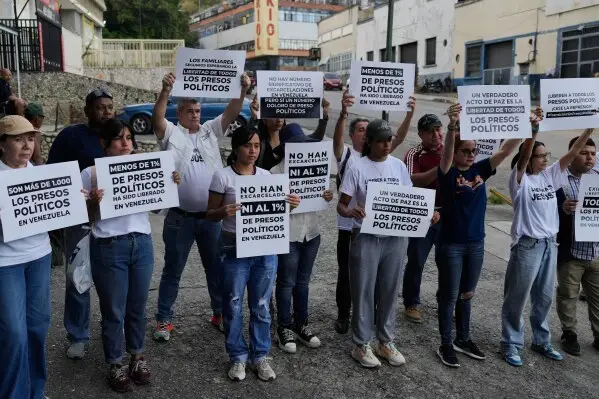
As of Monday morning, only 41 of the more than 800 detainees had been released, according to Foro Penal, which monitors political imprisonment across Venezuela. Human rights advocates say the pace remains far too slow given the dire conditions in which detainees are held.
Alfredo Romero, director of Foro Penal, reported that many prisoners suffered torture, deprivation, or denial of medical care. Several detainees have reportedly died while awaiting release. Rights groups warn that ongoing delays pose life-threatening risks to those still imprisoned.
Deaths in Detention Underscore Urgency of Immediate Action
One detainee, police officer Edilson Torres, died shortly after being jailed for criticizing the government. Officials attributed his death to a heart attack while in custody. His case drew renewed attention to conditions in Venezuela’s prisons and the need for accountability.
Human rights groups say that abuse in detention is not isolated but systemic. Former prisoners have described beatings, suffocation, and psychological torture during interrogations. These accounts highlight the urgency of dismantling repressive security institutions and enforcing accountability.
Recommended Article: Palace Dismisses Impeachment Talk as Political Maneuvering
International Pressure Mounts Over Crimes Against Humanity
In 2021, the International Criminal Court opened an investigation into alleged crimes against humanity, including torture and forced disappearances. The release of political prisoners remains central to global calls for justice and reform.
Opposition leader María Corina Machado reiterated demands for unconditional freedom for all political detainees. She vowed to continue pressing until every prisoner is released, a stance that has resonated deeply with families of those still behind bars.
Government Frames Releases as Gesture of National Unity
The release policy was announced on January 8, just days after Maduro’s capture. National Assembly leader Jorge Rodríguez described it as a step toward reconciliation. Officials said additional releases would follow in the coming weeks.
Former U.S. President Donald Trump praised the move on social media, saying Venezuela had begun to “release prisoners in a big way.” Critics, however, caution that rhetoric must be matched by verifiable progress on the ground.
High-Profile Detainees Freed While Charges Remain Intact
Among those released was opposition candidate Enrique Márquez, who had accused the Maduro government of rigging the 2024 presidential election. He was detained shortly after publicly calling for greater transparency.
Although Márquez has regained his freedom, the charges against him remain active. He is prohibited from speaking to the media or engaging in political activity. Rights organizations say such restrictions undermine genuine political normalization.
Fear of Renewed Repression Clouds Venezuela’s Transition
Journalist Luis Carlos Díaz warned that the structures of repression largely remain intact. He noted that several interim leaders have ties to prior abuses, raising concerns about recurring violations. Without meaningful reform, he said, arbitrary arrests could resume.
Interim President Delcy Rodríguez has faced criticism for failing to supervise intelligence agencies implicated in past atrocities. Activists accuse her of tolerating torture and enforced disappearances. Civil society groups say they remain skeptical that recent reforms will lead to lasting change.