

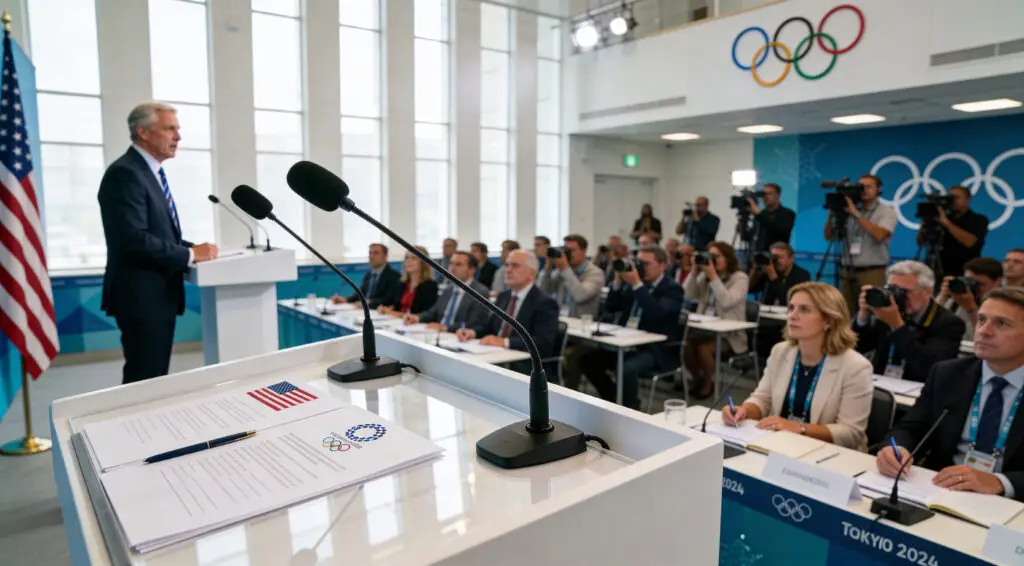
Vance Urges Athletes to Focus on Competition Over Politics
Vice President J.D. Vance has urged American Olympic athletes to prioritize winning medals rather than engaging in political debates. His remarks followed reports that some competitors felt uncertain about representing the United States amid heated policy discussions. Vance emphasized that the Olympic stage should remain dedicated to sporting excellence.
He told reporters that athletes who choose to speak on political matters should expect scrutiny from both the public and government leaders. The statement underscores ongoing tension surrounding the intersection of sports and civic expression. Opinions remain divided over what political neutrality truly means in international competition.
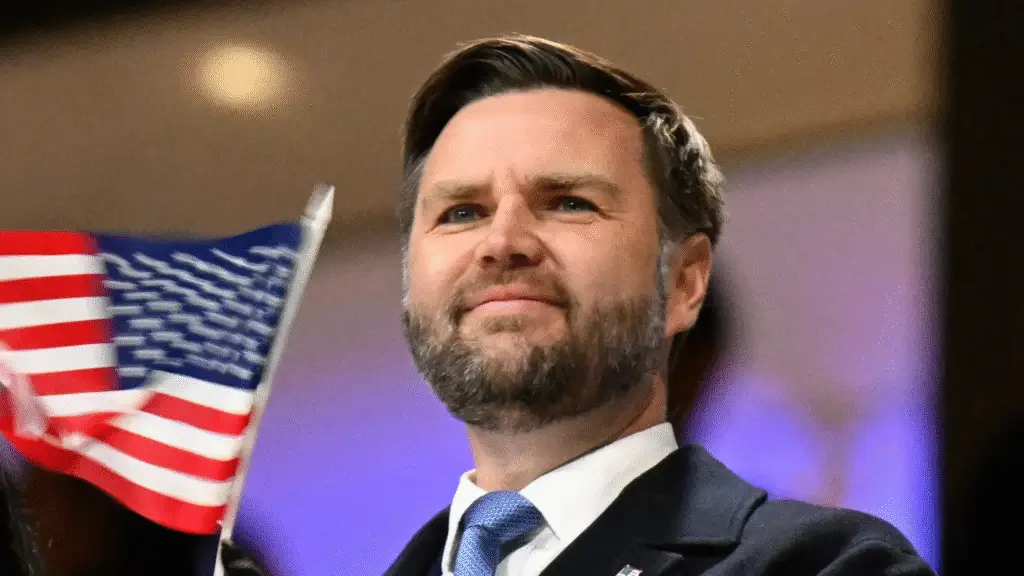
Source: The US Sun/Website
Trump Criticizes Athlete Over Public Comments
President Donald Trump intensified the situation by publicly criticizing freestyle skier Hunter Hess after the athlete questioned national representation. Hess stated that wearing the flag does not necessarily mean agreement with every government policy. The remark quickly drew national attention.
Trump responded on social media, suggesting that Hess should not have pursued a place on the national team if he held those views. He added that supporting athletes in such circumstances becomes difficult. The exchange sparked widespread discussion across the country.
Athletes Rally Around Free Speech
Several American athletes promptly voiced support for Hess, arguing that competitors retain the right to speak on issues they consider important. Supporters maintained that political expression does not diminish an athlete’s ability to represent their country. Many framed freedom of speech as a cornerstone of democratic participation.
Advocates also note that athletes possess influential platforms capable of spotlighting social concerns and encouraging public dialogue. Restricting those voices, they argue, could challenge fundamental rights. Debate within the sports community remains active.
Recommended Article: Munich Security Conference Faces Trump Policy Shock
Lawmakers Express Concern Over Presidential Remarks
Some lawmakers on Capitol Hill criticized the president for singling out an American athlete in a public forum. Observers warned that the dispute could distract from broader policy priorities facing the administration. Political motivations quickly entered the discussion.
Others worried that such criticism might project domestic divisions onto the global stage during a major sporting event. In international competitions, symbolism often carries diplomatic weight. Public perception continues to matter significantly.
Growing Convergence Between Sports and Politics
The episode reflects a broader trend in which sports increasingly intersect with political identity and national narratives. High-profile competitions frequently become venues for cultural expression and social commentary. Athletes now operate under intense media scrutiny.
As audiences demand authenticity, competitors sometimes feel compelled to share personal convictions despite potential backlash. Balancing professional responsibilities with civic engagement remains challenging. Expectations surrounding athlete conduct continue to evolve.
Foreign Policy Tensions Could Shape Athlete Reception
Analysts suggest that assertive U.S. foreign policy positions may influence how American athletes are received abroad. Diplomatic tensions occasionally affect public sentiment and media framing during global events. International perception often aligns with geopolitical realities.
Officials therefore remain mindful of reputational risks that could shape athletes’ experiences overseas. Delegations inevitably carry elements of national image with them. Strategic communication becomes increasingly important in this environment.
Debate Mirrors Broader Cultural Divisions
The disagreement highlights a wider societal divide over whether public figures should separate political beliefs from professional roles. Some argue that neutrality fosters unity, while others believe outspoken views strengthen democratic discourse. Neither perspective has achieved universal acceptance.
With the Winter Games approaching, the controversy illustrates shifting norms around activism and national representation in sports. Future disputes may continue testing the boundary between politics and athletic competition. The conversation shows little sign of fading.