USTDA Gives SMR Technical Evaluation $2.7 Million
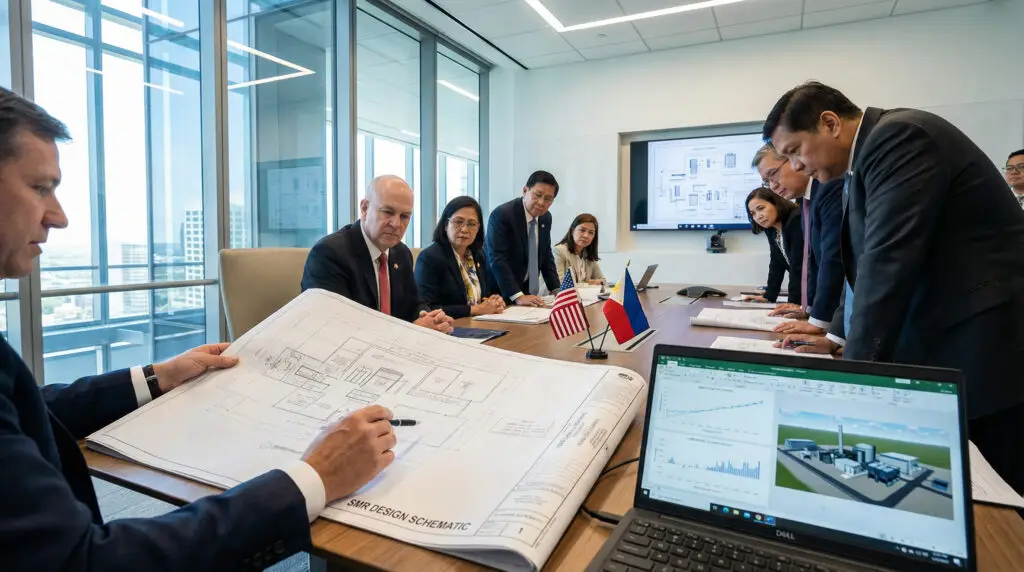
Recently, the US Trade and Development Agency gave Meralco PowerGen a big grant. Funding helps pay for a full technical review of advanced American small modular reactor designs. The Philippines will use the results to help them choose qualified technology partners for future installations.
As part of the grant, a detailed plan for how to put SMR into action will be made. It follows international standards for financing, structuring projects, and keeping an eye on them over the long term. These actions are in line with the shared strategic infrastructure goals of both countries.
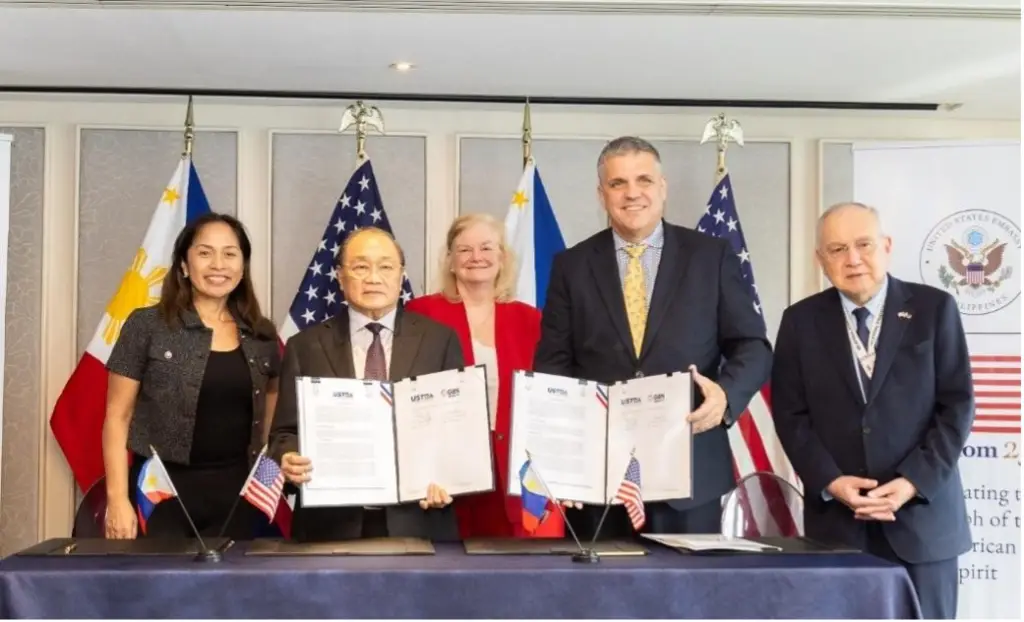
Source: Merlaco PowerGen/Website
Support Aims To Strengthen US Role In Philippine Energy Future
USTDA’s main job is to connect American businesses with infrastructure projects in other countries. Its programs help with early-stage feasibility work and open up export opportunities. During the first stages of design and technology selection, agencies and private partners work closely together.
This program makes sure that US companies can have a real role in the Philippines’ nuclear program. It lets local planners think about the best SMR technologies early on in the process. The process strengthens shared goals for energy security and builds business ties.
Meralco Sees SMRs As A Way To Ensure Long-Term Energy Security
Meralco PowerGen connects distributed power systems all over the Philippines. Company leaders stressed the importance of responsible nuclear use in public statements. They talked about how safer, smaller reactors could quickly diversify energy sources.
Manuel Pangilinan, the chairman, said that the grant was an important step toward planned nuclear integration. He stressed how important it is to plan carefully and get help from people all over the world. The project shows that Meralco is ready to handle the next generation of nuclear technologies in a responsible way.
Recommended Article: Newsom Calls Trump Temporary During Global Policy Push
Training Initiatives Prepare Workforce For SMR Deployment
The US announced companion programs to help train nuclear workers. In the Luzon Economic Corridor, there will be a simulator facility where people can get SMR training. In a controlled setting, operators will practice safety procedures and how to respond in an emergency.
More partnerships will help SMR schools across the country offer more classes. Texas A and M University and King’s College London will work with universities in the Philippines. Exchanging faculty and working together on research projects greatly improves technical skills.
123 Agreement Enables Nuclear Cooperation Under Clear Legal Framework
At the 2023 APEC summit, both governments signed a deal to work together on nuclear issues. Congress had to approve the agreement, which is also called a “123” agreement. It sets rules that make it possible to send US nuclear materials, technology, and equipment to other countries.
This framework helps the Philippines develop nuclear energy in a clear and peaceful way. It makes sure that international standards and safety requirements are met. The agreement lays the groundwork for all current and future nuclear cooperation between the two countries.
Philippines Wants First Nuclear Power Plant to Be Up and Running by 2032
National planners want to slowly add nuclear energy to the grid. The goal for first-generation facilities is to have 1,200 megawatts of capacity by 2032. By the middle of the century, the capacity will have grown to 4,800 megawatts.
Policy orders give priority to the country’s first nuclear plant in terms of dispatch. The Pioneer NPP gets long-term contract benefits and incentives to invest. These steps help keep financing stable and encourage more nuclear development.
Bataan’s Legacy Shows Long-Term Nuclear Ambition
After the oil crisis in 1973, the Philippines first looked into nuclear power. The Bataan plant was built in 1976. The facility was finished, but it never opened because of safety and financial concerns.
Maintenance kept the building standing for decades, which kept public debates going. Different administrations have looked at nuclear options again and again. The current roadmap shows a renewed commitment backed by clear policies and support from other countries.