


US Job Market Contracts With Unexpected Job Losses
In February, the US economy lost 92,000 jobs, which shocked economists who had thought that job growth would be slow across all sectors. This was the 6th time the job market shrank under the current administration, showing that the labor market is still weak. The unemployment rate went up to 4.4%, which is a small but important rise from the previous months.
This unexpected drop could mean that the economy is slowing down as businesses change their hiring plans because of uncertainty and changing market conditions. More than 25% of unemployed people have been out of work for more than 27 weeks, which shows that the job market is still having problems. These numbers make people worry about the long-term recovery and stability of the workforce.
Source: Fox Business
Healthcare Sector Leads Decline In Employment Losses
According to official labor data, the healthcare sector saw the biggest drop, losing about 28,000 jobs in February. This drop comes even though earlier reports said that health-related jobs were growing in previous months. Labor disputes and strikes in big states made the industry less stable.
There were also fewer jobs in healthcare that were connected to the government, with about 10,000 fewer jobs reported during the same time. These cuts are a result of larger restructuring efforts and budgetary pressures that are affecting jobs in the public sector. The healthcare sector’s downturn has made the job market even weaker.
Tariff Exposed Industries Continue Facing Pressure
Transportation and warehousing, 2 industries hurt by tariffs, reported more job losses, which shows that trade problems are still going on. The sector lost about 11,000 jobs in February, bringing the total number of jobs lost this year to about 157,000. Trade policies have led to less demand and changes in how these industries work.
Employment levels in other areas, like construction, retail, wholesale trade, and hospitality, didn’t change much. This stagnation shows that key parts of the economy aren’t growing. Businesses are still being careful because trade and economic conditions are unclear.
Recommended Article: Japan Canada Launch Economic Security Dialogue Initiative
Markets React Negatively To Weak Employment Data
The disappointing jobs report hurt the financial markets, and major indexes fell noticeably during trading sessions. The S&P 500 fell by 1%, the Nasdaq fell by 0.8%, and the Dow Jones fell by 1.1%. These changes show that investors are worried about the future of economic growth.
The weak job numbers have made the market more volatile as people rethink what they expect from the economy in the future. Investors are keeping a close eye on other signs to see if this trend will keep going. People are still cautious about the market even though the economy is changing.
Federal Reserve Faces Increasing Policy Dilemma
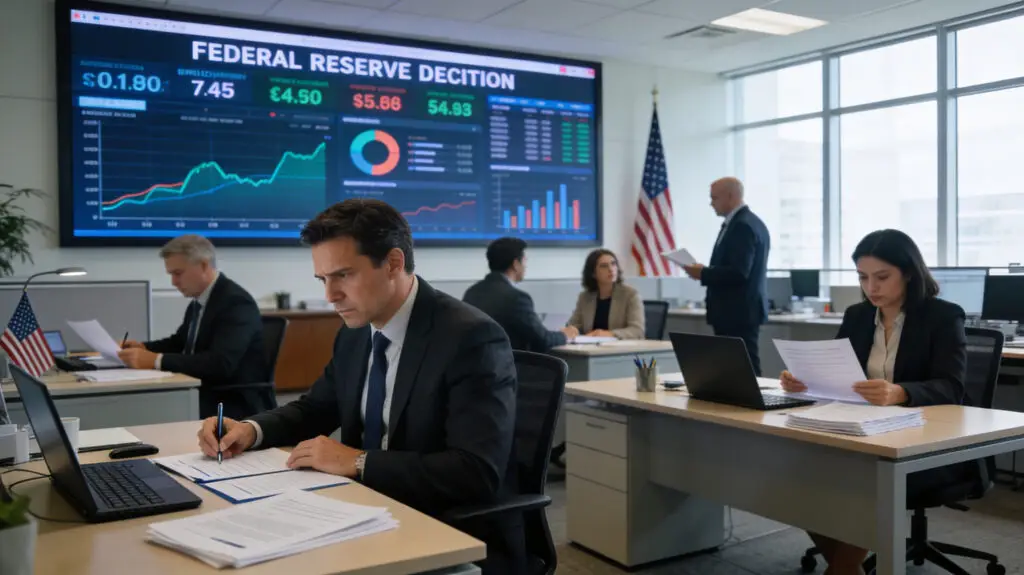
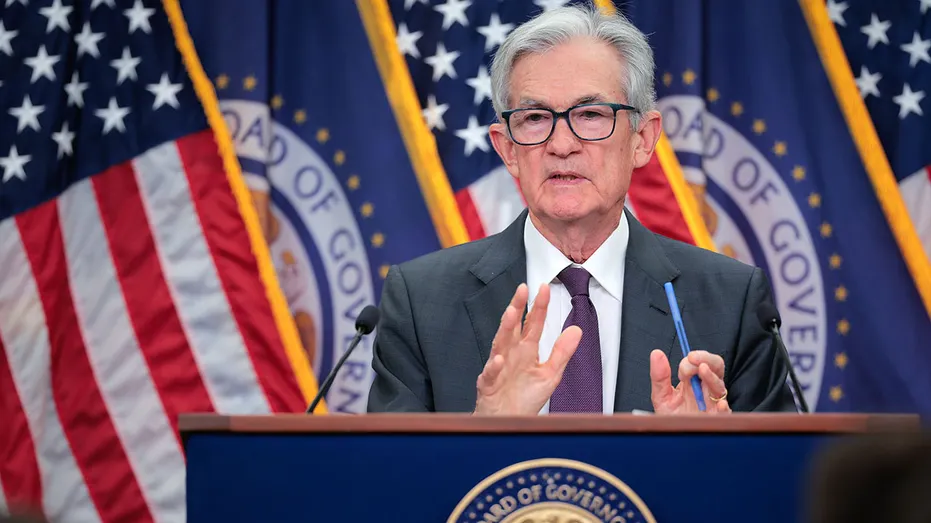
As the Federal Reserve gets ready for its next policy meeting on March 17 and 18, it is under more pressure than ever. Even though the job market is getting worse, economists think that interest rates will stay between 3.50% and 3.75%. However, the most recent data has made people more hopeful that the rate will go down in June.
The central bank has to find a balance between helping the economy grow and worrying about the risks of inflation. Policymakers have a harder time making decisions because oil prices are going up and tensions between countries are rising. This makes it hard to change monetary policy.
Inflation Risks Complicate Economic Outlook
Rising energy prices caused by geopolitical tensions are making inflation worries worse in the US economy. Even though there are signs that the labor market is weak, these pressures could make it harder for the Federal Reserve to lower interest rates. Inflation is still a big factor in decisions about monetary policy.
Economic strategists say that rising prices and falling jobs could lead to stagflation. This situation would make it very hard for policymakers to keep the economy stable. We still don’t know what the right balance is between growth and inflation.
Long Term Outlook Remains Uncertain For US Economy
The US economy’s future is unclear because of rising unemployment, job losses, and pressures from the outside. Some analysts think that the current slowdown is just a temporary adjustment, while others think it could last longer. Future economic data will be very important in setting expectations.
As market conditions change in response to both domestic and global factors, businesses and consumers may continue to be unsure. To deal with new problems effectively, policymakers will need to change their plans. The next few months will be very important for figuring out how the economy will get better.