United States Confirms Formal Withdrawal From Global Health Body
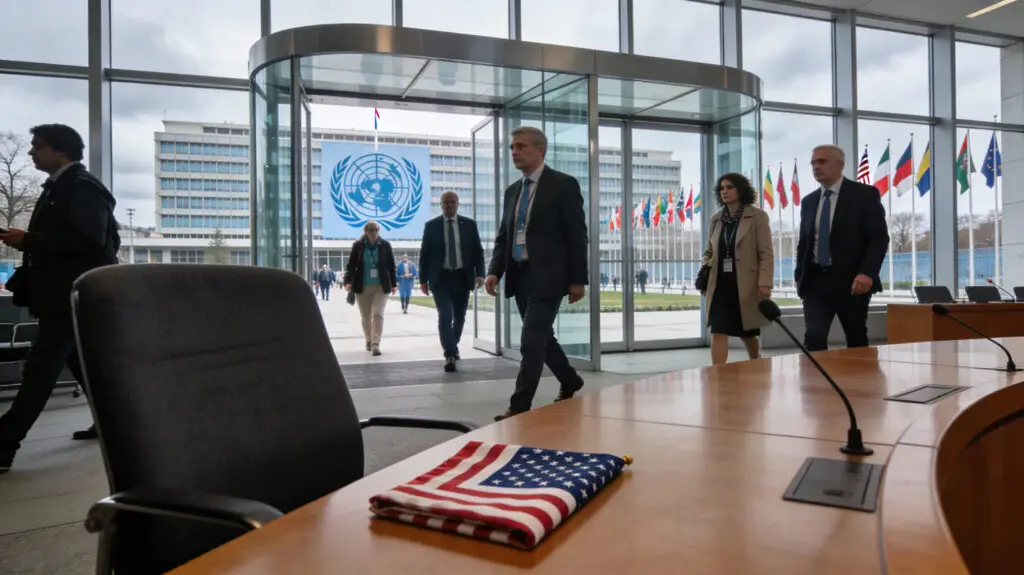
The US has officially left the World Health Organization, ending decades of membership and financial support. This choice comes after President Donald Trump signed an executive order that made the year-long withdrawal process official. The exit takes away one of the organization’s biggest historical donors from its leadership.
US officials said the decision shows that they are very unhappy with how the WHO handled the pandemic and how it is run. They said the agency was politically biased and had not done enough to change its structure in recent years. The withdrawal is a big change in how the US engages with global health.
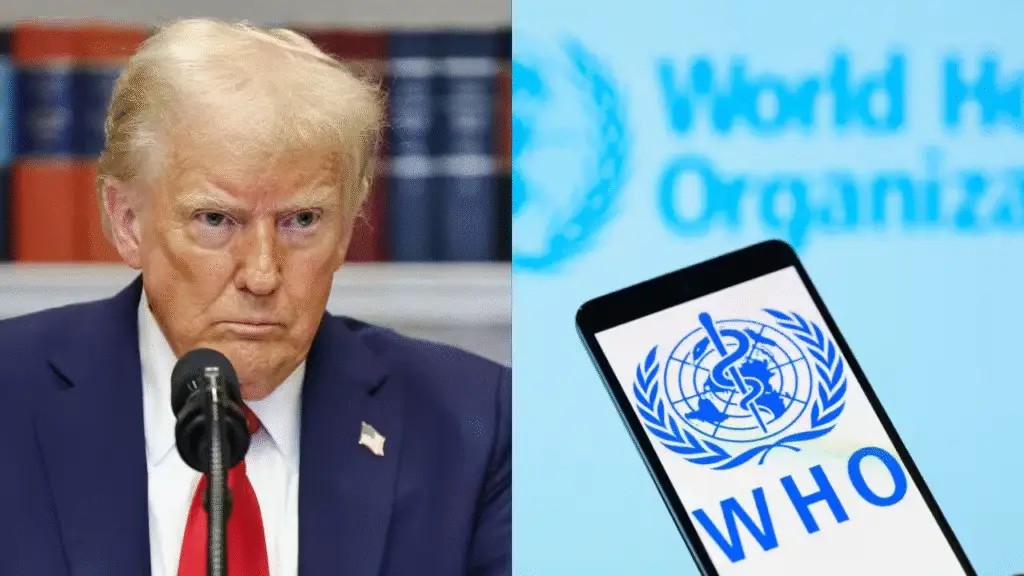
Source: SBS/Website
Pandemic Criticism Shaped Washington’s Decision To Exit WHO
The US government said that the way the Covid pandemic was handled was one of the main reasons for leaving. They said that the WHO took too long to respond and did not question early information from China. Senior health and diplomatic officials who announced the withdrawal repeated these claims.
The WHO has always denied claims of political interference or operational failure. Tedros Adhanom Ghebreyesus, the Director General, said that the departure is bad for both the US and global health. He said that the organization’s work is still based on science and is required by the whole world.
Financial Impact Threatens WHO Programmes And Staffing Levels
In the past, the United States was one of the WHO’s biggest financial supporters across many programs. The amount of money owed for 2024 and 2025 alone is thought to be around $260 million. These shortfalls have already led to layoffs and changes to the organization’s budget.
Officials in the US said that all government funding has now been stopped for good. Employees and contractors have been called back from the Geneva headquarters and field offices around the world. Hundreds of collaborative projects have also been put on hold or stopped.
Recommended Article: Samsung and Pearson Unveil AI Wearable for Focus and Attention
US Rejects Obligations To Pay Outstanding WHO Contributions
Legal experts at WHO say that the United States still has to pay its unpaid membership dues. Washington has said in public that it does not see any legal or moral reason to pay back debts, though. This position makes the organization’s short-term financial planning even harder.
Officials from the US said in a joint statement that the WHO had failed to carry out its main job. They said the agency often did things that hurt American interests and credibility. The statement also talked about symbolic disagreements, such as problems with protocol at headquarters.
Global Health Cooperation Faces Uncertainty Without US Role
Leaders of the World Health Organization talked about the organization’s work to fight polio, HIV/AIDS, and maternal mortality around the world. They also talked about its treaty on tobacco control and its work coordinating emergency response. Without US funding, these programs are now in a state of uncertainty.
Recently, member states agreed to an international treaty on how to prepare for a pandemic, but the US was not involved. The goal of the agreement is to make sharing vaccines more fair and to make sure that crisis responses are coordinated. Washington said no to taking part because of concerns about sovereignty and governance.
United States Outlines Alternative Bilateral Health Strategy
US officials said that in the future, disease surveillance will depend on agreements with certain countries. They did not say which governments have agreed to these kinds of deals so far. Partnerships with faith-based groups and NGOs were also suggested as other options.
When asked about how the flu vaccine was coordinated, officials did not give much information. They admitted that they were not sure if they would keep taking part in global data sharing frameworks. International public health experts are worried about this lack of clarity.
Experts Warn Lessons From Covid Response Remain Unresolved
Analysts of public health say that responses to the pandemic in developed countries were slow and not well coordinated. A lot of governments put off lockdowns because they were afraid people would fight against the rules. Several studies have shown that these delays helped the virus spread quickly.
Former officials said that not always following WHO advice made things worse in the US. Researchers said that politicized responses made people less likely to wear masks and keep their distance. Critics say that poor leadership made the pandemic’s effects on people worse across the country.