


Economic Growth Slowed Before Iran War Escalation
New economic data shows that the US economy was already slowing down before the war with Iran started. Government data showed that growth in the last 3 months of last year was much slower than earlier estimates had suggested.
The Commerce Department changed its estimate of 4th quarter growth to an annual rate of 0.7%. That number shows a big drop from the faster economic growth that happened earlier this year.
Source: The New York Times
Consumer Spending Weakens As Inflation Persists
Consumer spending was already weak before rising energy prices made it even harder for families to make ends meet. In January, spending went up only a little, by about 0.4% before inflation was taken into account.
After taking inflation into account, real consumer spending only went up by 0.1%, which shows that people do not have a lot of money to spend. Inflation that keeps going up is still having an effect on household budgets and the economy as a whole.
Rising Energy Prices Threaten Household Budgets
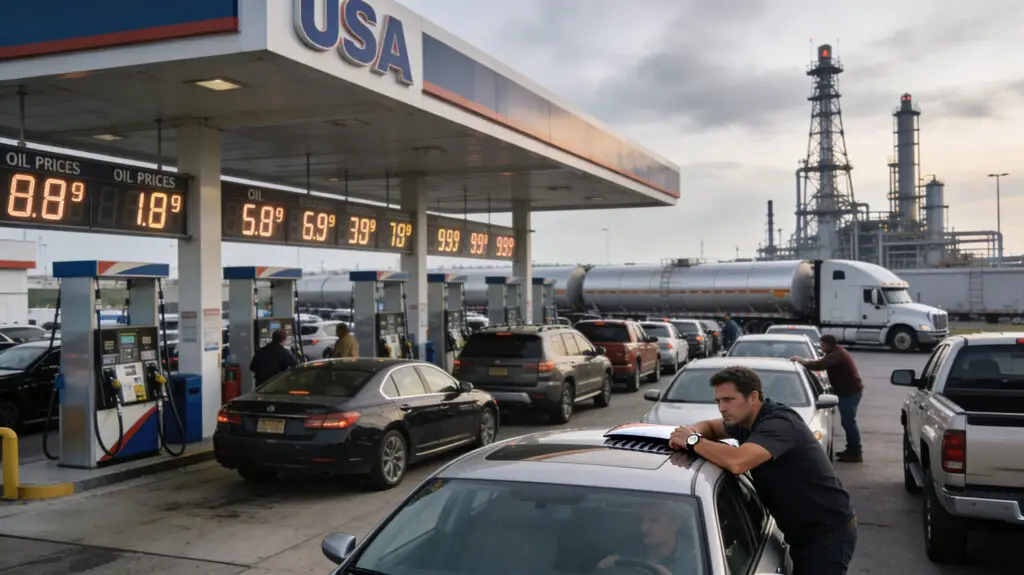
The war in Iran caused gas prices to go up a lot all over the United States. The average price of gas rose to almost $4 per gallon, which made things even harder for families who were already having trouble with rising living costs.
When fuel prices go up, people often spend less on things they do not need because they have to spend more of their income on transportation costs. Economists say that if energy prices keep going up for a long time, it could make people spend even less.
Recommended Article: Trump Faces Economic Pressure as Iran War Drives Oil Higher
Weak Hiring Signals Labor Market Uncertainty
The American job market has also been getting less hot over the past year. In 2025, employers hired a lot fewer people, adding less than 10,000 jobs each month.
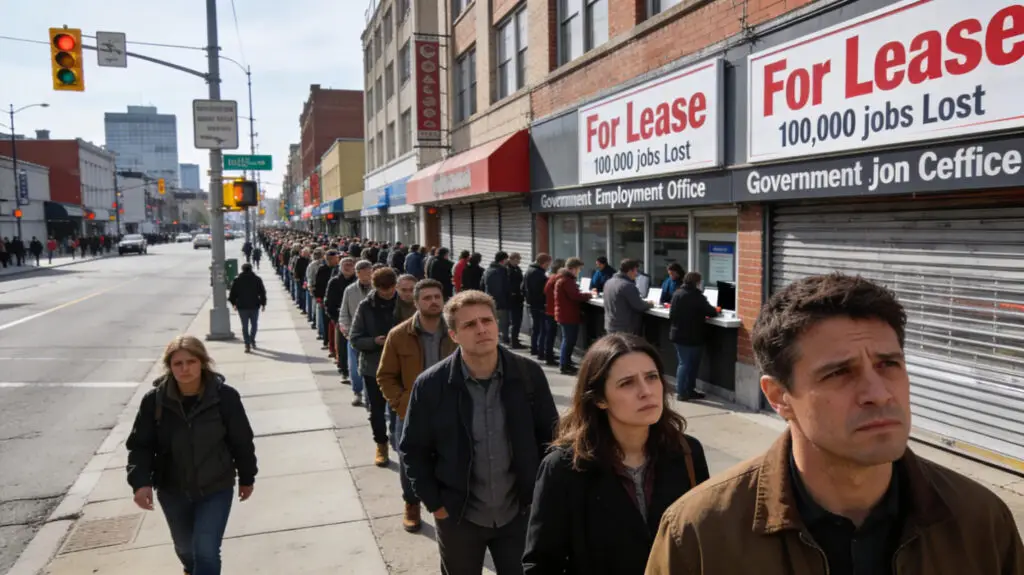
Recent reports say that companies in both the public and private sectors laid off about 92,000 people last month. Weak job growth can make people less confident and slow down the economy.
Consumer Confidence Declines During Conflict
Consumer sentiment surveys show that people are becoming less sure about the economy’s future as the Iran conflict gets worse. Responses to the survey taken after the military strikes showed a lot less confidence than responses from earlier surveys.
Geopolitical tensions that are on the rise often affect how families and businesses expect the economy to do. When people do not feel confident, they may put off buying things or cut back on spending that is not necessary.
Housing Market Faces Pressure From Rising Rates
Mortgage rates have gone up since the conflict started because investors think inflation may stay high. Higher borrowing costs usually mean fewer people buy homes and less growth in the housing market.
Since 2022, the housing market has been having a hard time because interest rates are going up. If mortgage rates keep going up, the sector may stay slow for longer.
Economic Outlook Remains Uncertain
Even with these problems, economists say that the US economy is still strong in some ways. Businesses are still investing more money, especially in fields that have to do with AI and advanced technology.
But there are risks for the next few months because growth is slowing, energy costs are going up, and the world is uncertain. As things change, policymakers will keep a close eye on inflation and economic activity.