


Dollar Strengthens After Trump Comments Reshape Federal Reserve Leadership Outlook
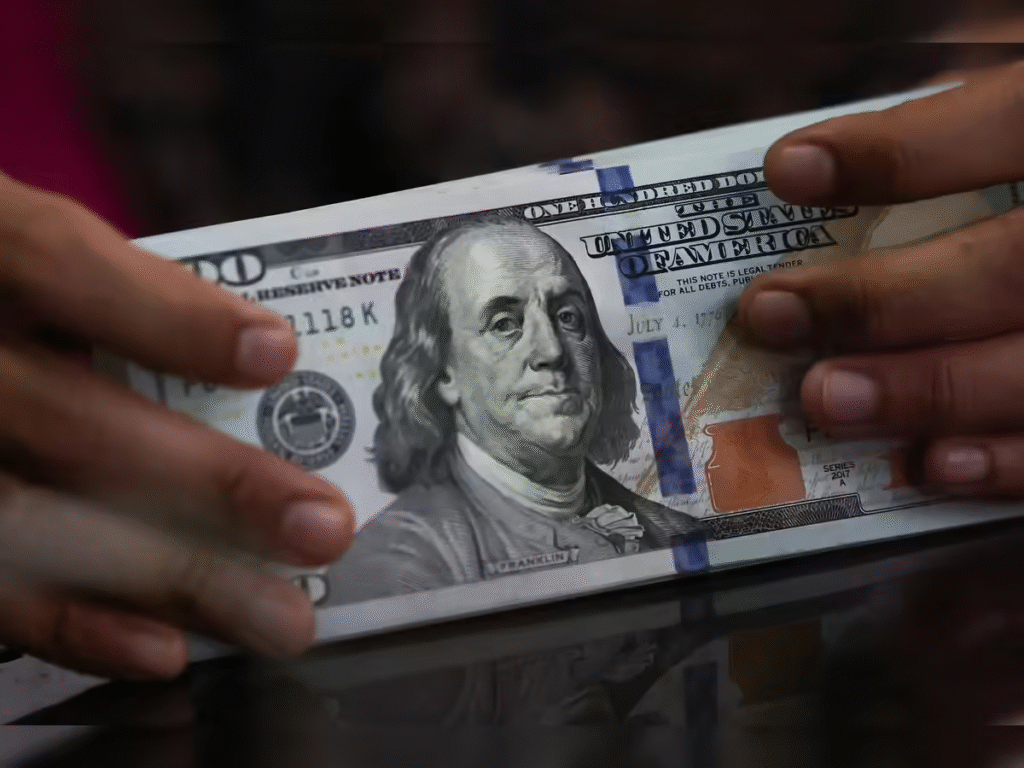
After President Trump publicly praised Kevin Hassett and hinted that he wanted to keep him as an adviser, the US dollar rose. The comments made it much less likely that Hassett would become chair of the Federal Reserve, according to the markets. Currency traders quickly raised their dollar positions in major foreign exchange markets.
Analysts said that uncertainty about who is in charge has a direct effect on expectations for monetary independence and the direction of long-term interest rates. Many people think that Hassett supports looser policies that are in line with what presidents have historically wanted for the economy. Investors looking for stability in the central bank’s credibility were reassured by the lower chance of his appointment.
Source: The Economic Times
Markets Reassess Fed Independence As Betting Shifts Toward Kevin Warsh Candidacy
Online prediction markets said that Kevin Warsh was the most likely person to take over for Jerome Powell. Compared to other possible nominees, traders think Warsh is more independent from institutions. That view helped investors feel more confident about future decisions about monetary policy.
Market strategists said that the credibility of the Fed’s leaders has a big effect on bond yields and currency values around the world. Political risks usually make currencies weaker by raising inflation expectations and making policies less predictable. Warsh’s perceived independence gave the dollar outlook a small boost.
Dollar Index Climbs As Labor Data Delays Expectations Of Rate Cuts
The dollar index went up a little bit because investors were happy with better US labor market data. Strong job numbers pushed back expectations for interest rate cuts until the middle of the year. Foreign investors tend to put money into dollar-denominated assets when yields are higher.
Officials from the Federal Reserve said again that they would be flexible in how they respond to sudden economic weakness. Job growth was still happening, which suggested that the economy was still strong despite global uncertainty. That outlook helped keep demand for US currency holdings steady.
Recommended Article: Philippine Economy Forecast to Grow Steadily in 2025 and 2026
Factory Output Surprises Add Support Despite Broader Manufacturing Contraction Concerns
In December, US factory production rose unexpectedly because of strong output of primary metals. That improvement helped make up for the decline in motor vehicle manufacturing across the country. Investors thought the data was mixed but not bad enough to cause a recession.
Economists warned that import tariffs and problems with the supply chain are still holding back the growth of the economy as a whole. In the 4th quarter, manufacturing performance still showed that some sectors were shrinking. Still, short-term gains in output gave the dollar a little boost in the short term.
Yen Volatility Grows As Japan Signals Possible Foreign Exchange Intervention Measures
Japan’s finance minister said that the government might step in to stop the yen from getting too weak. The statement came after the currency hit an 18-month low against the dollar not long ago. During trading on Friday, verbal intervention helped the yen make a small recovery.
After Prime Minister Takaichi said there would be snap parliamentary elections, there was more political uncertainty. Investors are concerned that expansionary fiscal policies could make Japan’s currency even weaker. That dynamic made foreign exchange traders around the world more cautious.
Japanese Policy Uncertainty Adds Pressure To Asia Currency Market Stability
According to reports, officials at the Bank of Japan talked about raising interest rates earlier to fight the risks of inflation. If the yen loses value, it could make inflation worse in the energy and food markets in Japan. These kinds of changes make it much harder for Japanese policymakers to plan their money.
Analysts said that if the dollar-yen gets close to important resistance levels, coordinated intervention is more likely to happen. Markets are still very interested in what the government says about what exchange rates are acceptable. As a result, currency volatility in Asia could go up.
Bitcoin Slips As Investors Rotate Toward Traditional Currency Safety Assets
Bitcoin went down a little bit as traders focused on changes in the economy as a whole and signals from central banks about their policies. Historically, cryptocurrency markets have tended to get weaker when the dollar gets stronger. When there is more uncertainty about who will lead the economy, people tend to be less willing to take risks.
Digital asset analysts said that institutions are still being careful because of concerns about regulations and valuations around the world. Long-term interest rates are still high, but short-term flows favored traditional safe-haven currencies. As a result, the dollar did better because of defensive portfolio changes.