Inflation Slows But Remains Above Bank Of England’s Long Term Target
The Consumer Prices Index for January showed a 3% increase over the previous year. This number was lower than the one from December. Most economists expected this small drop in headline inflation.
Inflation is still above the 2% target, even though it has gone down. So, central bankers keep a close eye on long-term trends. Because of ongoing pressures, policy changes need to be made carefully in the coming months.
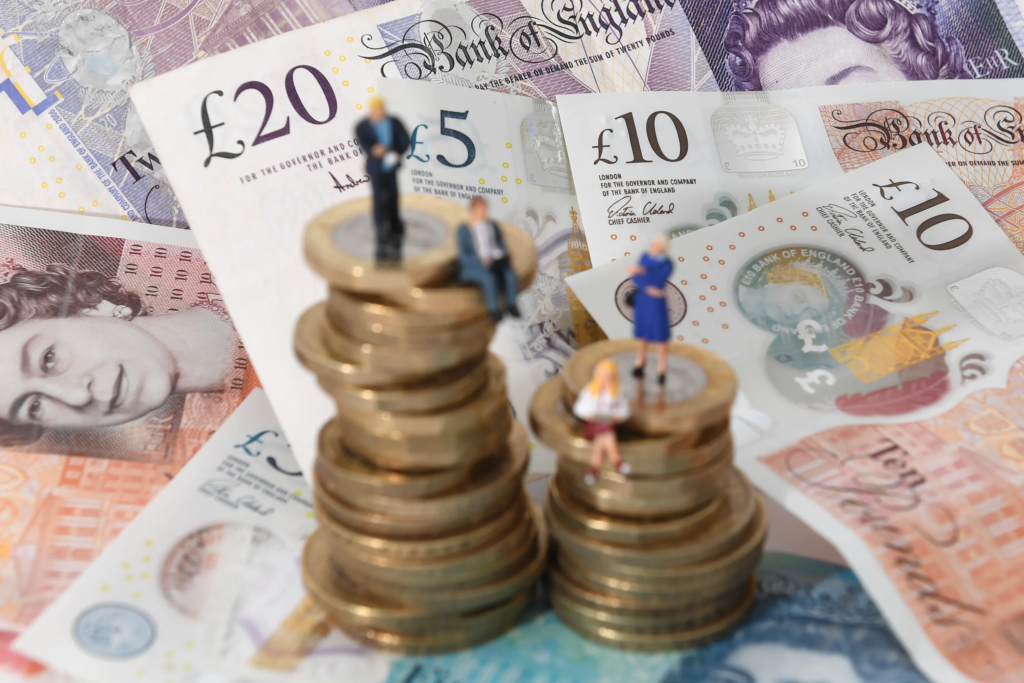
Source: The Sun/Website
ONS Basket Data Shows How Consumer Trends Shape Inflation Measures
The Office for National Statistics keeps track of hundreds of items. Researchers update items every year to accurately reflect how buying habits change. Recently, virtual reality headsets and yoga mats have been added.
To figure out inflation, you look at how prices have changed over the past year. The main measure is still the Consumer Prices Index. Monthly releases help policymakers deal with changing economic conditions in a smart way.
Energy Shocks And Food Costs Continue To Influence Ongoing Price Rises
After problems with energy around the world, inflation shot up. Costs went up a lot after the pandemic because of higher demand. Russia’s invasion of Ukraine made price shocks even worse.
Food prices have been going up steadily lately. The numbers for January show that the increases are slower than they were last year. Still, families often have to pay more for groceries.
Recommended Article: ECB Holds Steady As Eurozone Inflation Cools
Wage Pressures And Business Costs Contribute To Lingering Inflation
Employees who want to make more money are more likely to do so when living costs go up. Insurance and minimum wage changes add to the costs of payroll for employers. These pressures often make businesses raise their prices.
Companies also have to deal with complicated operational problems. The cost of borrowing has a big effect on investment choices. When the cost of inputs goes up steadily, prices need to be changed.
Interest Rate Changes Aim To Balance Growth Risks And Inflation Control
When inflation shot up, the Bank raised interest rates. Higher rates made it less likely that households and businesses would borrow money. Less demand helps keep prices from going up too much.
Later, officials cut rates to help the economy, which was already getting weaker. These decisions were greatly affected by the weakening of the job market. Now, policymakers have to weigh the risks of inflation against the risks of a recession.
Rate Cuts Reflect Slowing Growth And Evolving Labour Market Conditions
Right now, interest rates are at 3.75%. This comes after a number of cuts that started in the middle of 2024. The cut in December was a response to signs of rising unemployment.
The margins of voting are still very small right now. There was a big disagreement among policymakers about the best time. Governor Andrew Bailey now thinks that inflation will hit its target by spring.
Global Comparisons Show UK Inflation Higher Than US And Eurozone
The current interest rates set by the European Central Bank are 2%. Inflation in the Eurozone recently hit 1.7%. These numbers are still lower than similar ones in the UK.
Inflation in the United States dropped to 2.4% per year. After making a few changes, the Federal Reserve kept rates the same. Political debates are still having an effect on changes in monetary policy across the country.