


Understanding Inflation And Why Prices Rise
Inflation is the slow rise in the prices of goods and services over time. When prices go up, people need more money to buy the same things. Even small price increases on everyday items can have a big effect on how much money a family has to spend.
Inflation happens when a product costs £1 today but £1.05 next year. The rate of inflation tells you how fast prices are going up. Governments and central banks keep a close eye on these changes to help them make decisions about economic policy.
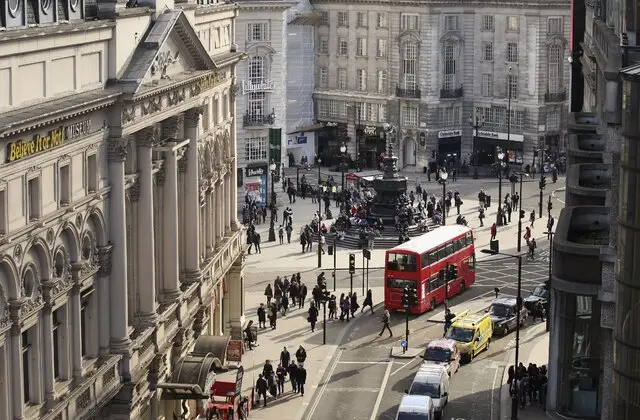
Source: usnews.com
How the UK Figures Out Inflation Rates
The Consumer Prices Index is a statistical tool that the UK uses to figure out how much inflation is going on. This index keeps track of how prices change for hundreds of common household items. The Office for National Statistics regularly gathers information to figure out the inflation rate.
The tracked items make up a “basket of goods” that shows how much people typically spend. The basket changes from time to time to show how people are buying things. Recent additions included yoga mats, virtual reality headsets, and other new products.
UK Inflation Has Fallen But Remains Above Target
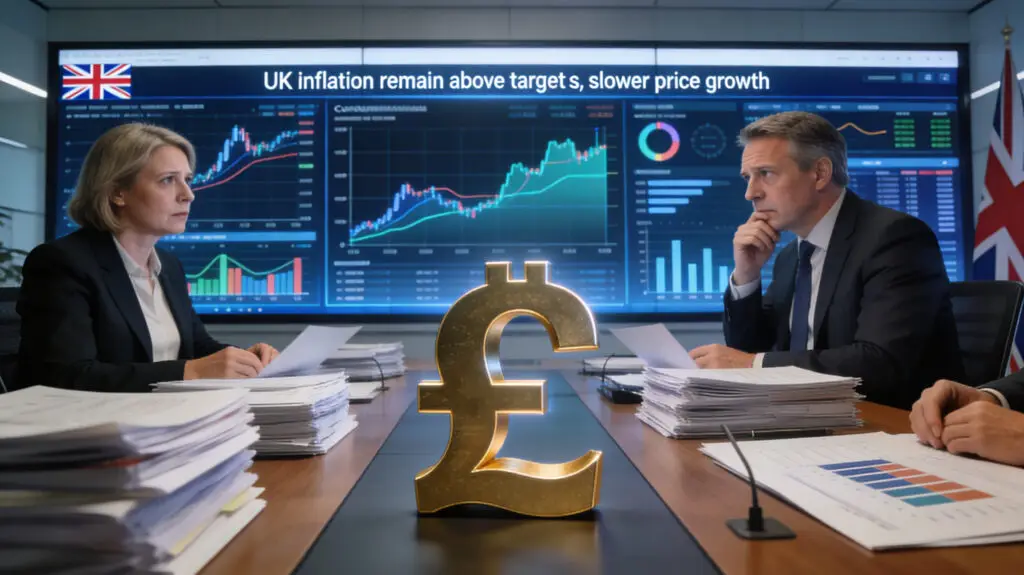
In January, the UK’s annual inflation rate hit 3%. This number is lower than the 3.4% that was recorded in December. But it is still higher than the Bank of England’s official goal of 2%.
In October 2022, inflation shot up to 11.1%. That level was the highest rate in the country in 40 years. Prices are still going up at a steady rate, even though things are getting better.
Recommended Article: UK Shows Support for Deeper EU Economic Ties
Energy And Food Prices Influence Inflation Trends
Changes in the prices of food and fuel often have a big effect on the overall rate of inflation. Prices have been going up more slowly lately because gas prices have gone down. Costs at supermarkets also went up more slowly than they had in the past.
But prices for food and energy tend to change a lot over time. Because of this, economists often look at a different measure called core inflation. This indicator leaves out food and energy to show long-term price trends more clearly.
Why Prices Keep Going Up Even Though Inflation Is Lower
Prices are still going up every year, even though inflation has gone down. Lower inflation just means that prices go up more slowly than they used to. So, even when inflation rates go down, people still have to pay more for things.
After the pandemic, when demand for energy around the world went up, inflation started to rise. Prices went up even more after political events like Russia’s invasion of Ukraine. These problems made the prices of food and energy go up a lot around the world.
Interest Rates Used To Control Inflation
Central banks often change interest rates to control how much inflation there is in an economy. Higher interest rates make it more expensive for people and businesses to borrow money. This usually makes people spend less and slows down the rate at which prices go up.
Increasing rates, on the other hand, could slow down economic growth and make it harder for borrowers to pay their bills. Homeowners may have to pay more on their mortgages, and businesses may put off making investments. Because of this, policymakers need to find a balance between keeping inflation low and keeping the economy stable.
Future Inflation Outlook Remains Uncertain
Since August 2024, the Bank of England has lowered interest rates several times. After 6 cuts, the current rate is 3.75%. Officials think that lower borrowing costs will help the economy grow.
But new tensions between countries could change how inflation goes in the future. Global conflicts that drive up oil prices could make fuel prices go up again. These kinds of changes could have an effect on both inflation and future interest rate decisions.