


UK Government Responds to Economic Risks From Iran Conflict
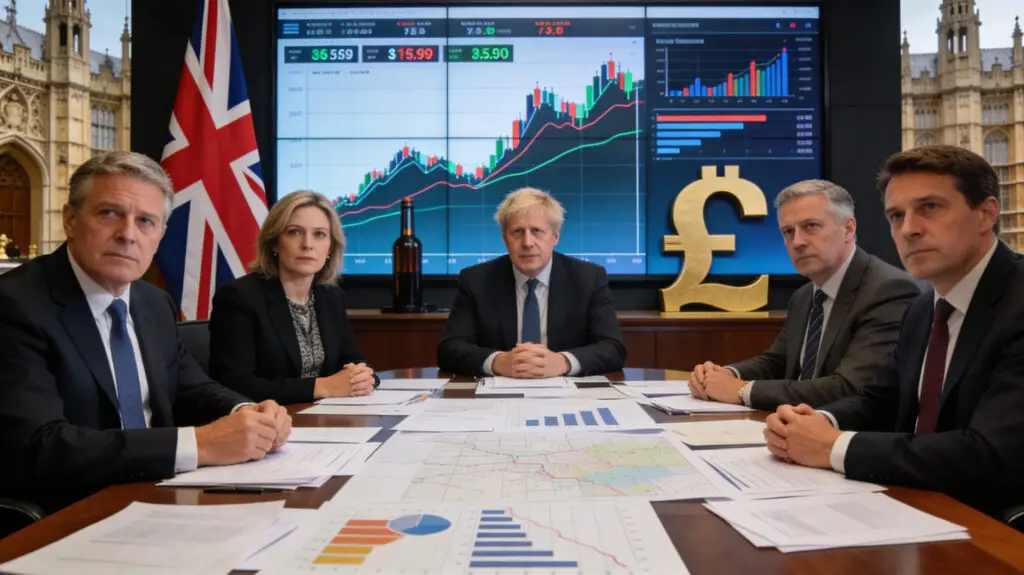
The UK government is looking into the economic risks that are rising because of rising tensions with Iran. Officials are working with international partners and banks to deal with any possible effects. The conflict has already caused instability in energy and financial markets around the world.
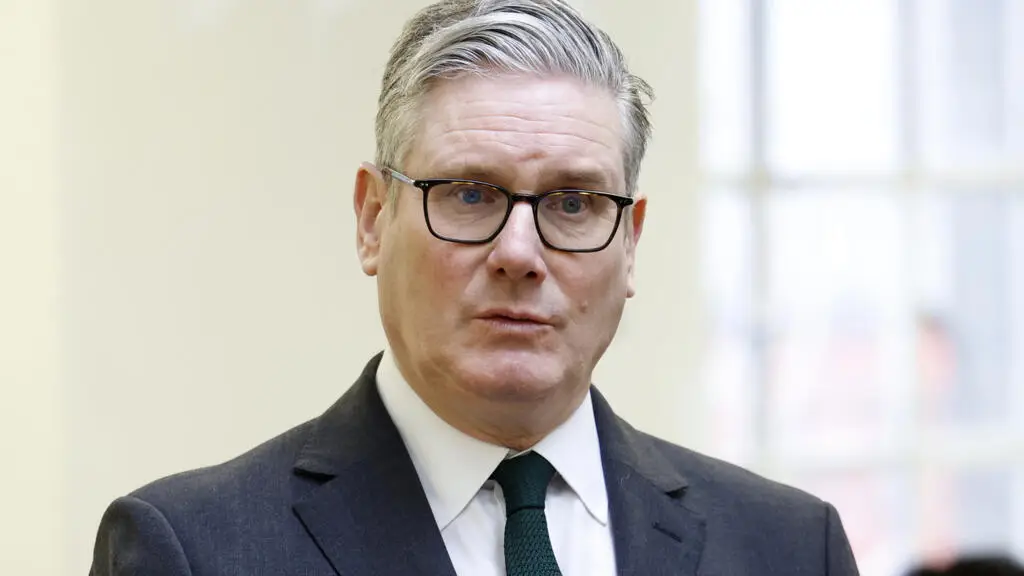
Prime Minister Keir Starmer said that the government is keeping a close eye on changes that could affect the UK economy. If the conflict goes on, the government wants to limit the damage to the economy. Policymakers are still very concerned about energy prices.
Source: France 24
Rising Oil Prices Increase Inflation Concerns
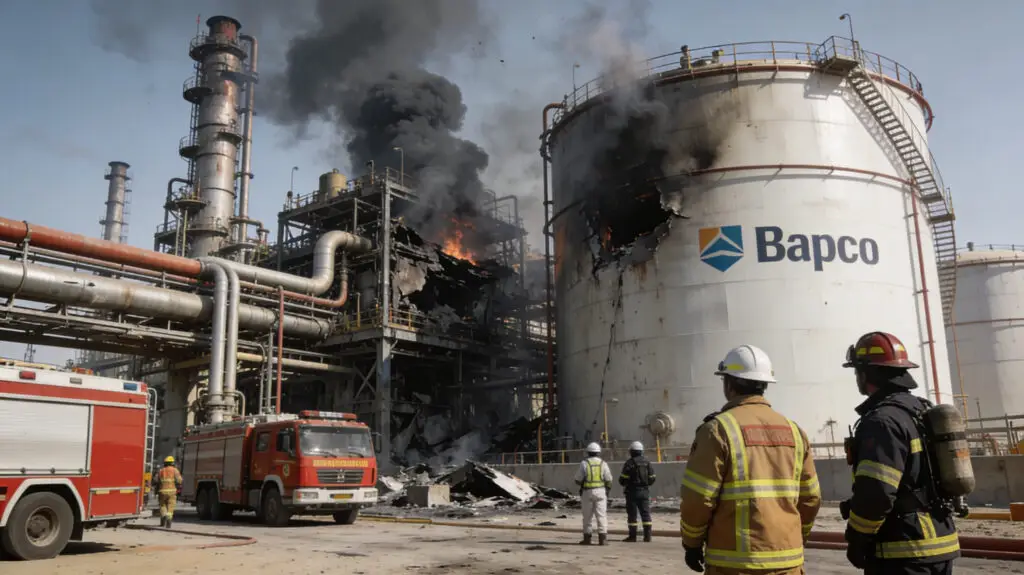
Since the fighting got worse in the Middle East, oil and gas prices around the world have gone up. Rising energy costs often lead to rising inflation in economies around the world. Britain is already dealing with inflation problems that won’t go away because of past economic problems.
Economists say that if fuel prices keep going up, it could affect the costs of transportation, manufacturing, and living. Costs going up would make it even harder for people to stick to their budgets. So, inflation risks are still a big problem for policymakers.
UK Borrowing Costs Go Up Because of Market Uncertainty
Financial markets have quickly responded to changes in the geopolitical situation around the Iran conflict. In the last few weeks, it has become much more expensive for the UK government to borrow money. Investors are worried that sudden changes in energy prices could make inflation worse.
People are worried about future government spending and fiscal stability because borrowing costs are going up. The rise has been bigger than similar rises in a number of European economies. This trend makes things harder for people who make economic decisions.
Recommended Article: Trump Prioritizes Inflation in State of the Union
Bank of England Consultations Continue Daily
The British government and the Bank of England are working closely together to look at the state of the economy. People from the treasury and central bank talk to each other on a regular basis about possible risks. The work together is mostly about changes in the energy market.
If the economy gets worse, the government wants to make sure that the money stays stable. Policymakers work together closely to get ready for market shocks. Keeping an eye on energy prices is still important.
Energy Price Cap Provides Temporary Consumer Protection
Britain currently has a price cap on energy to protect people who use it at home. The measure sets a limit on how much suppliers can charge for gas and electricity. Officials said the cap will stay in place until June.
This policy gives people a break from sudden price increases for a short time. But higher wholesale energy prices could eventually lead to higher bills for consumers. Policymakers are still looking at solutions that will last for a long time.
Government Seeks International Coordination on Crisis
British officials are also talking about the crisis with their allies and partners around the world. The goal of diplomatic engagement is to keep the conflict from causing too much economic damage. Governments know that energy markets work all over the world.
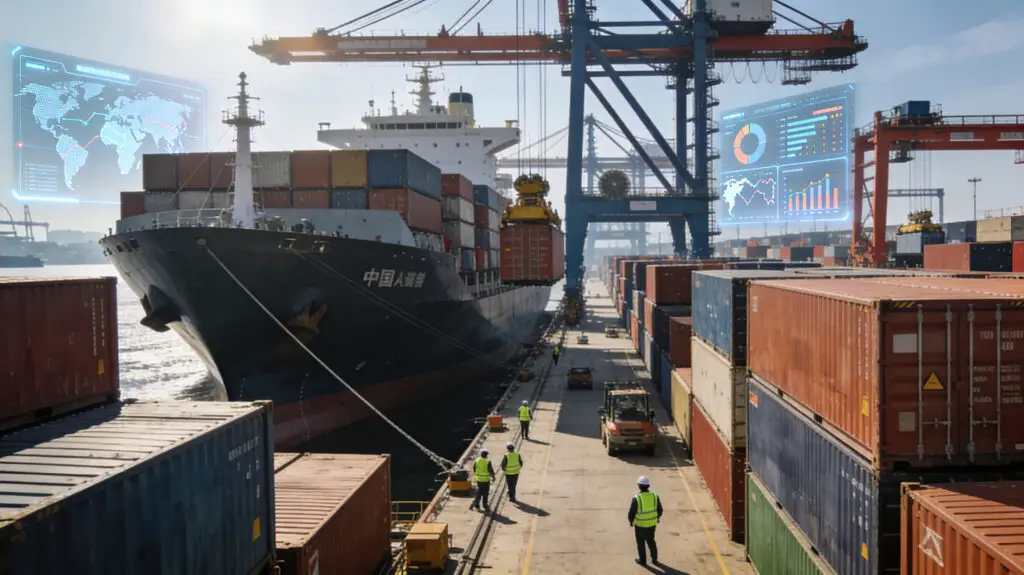
Coordinating with other countries can help keep supply chains and energy markets stable. Working together may also help stabilize commodity prices. During geopolitical crises, working together is still important.
Prolonged Conflict Could Deepen Economic Impact
Experts in the economy say that long-term conflict could make the global market even more unstable. Oil and gas prices could keep going up because of problems with the energy supply. These kinds of things could slow down economic growth in a number of countries.
Prime Minister Starmer said he understood that people were worried about rising costs of living. Officials stress that the economy is still stronger than it was during the last energy crisis. Still, the situation is still very risky for the economy.