


GDP Contraction Deepens Economic Concerns Before Budget
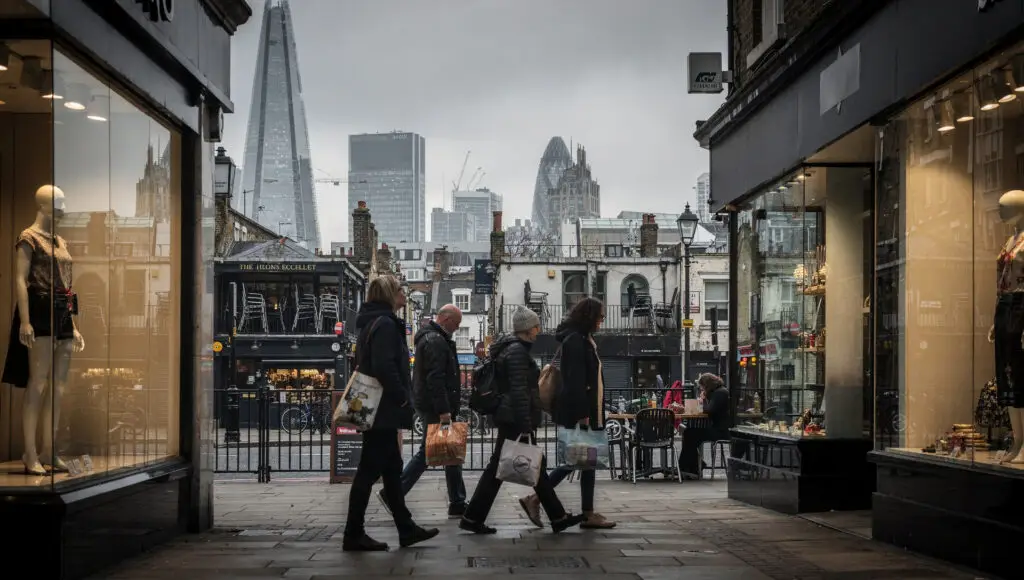
In October, the UK economy declined by 0.1%, which was unexpected. This came after a 0.1% drop in September. Economists had predicted slow growth, but the numbers showed that most industries were not growing at all.
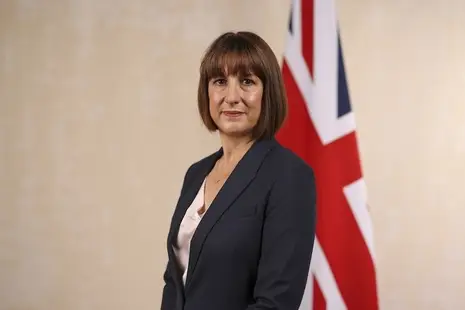
Analysts said that the reduction was caused by sluggish consumer spending and businesses being careful before Chancellor Rachel Reeves’ budget statement, which is anticipated to include additional tax measures.
Weakness Across the Board Due to Service Sector Decline
The Office for National Statistics (ONS) says that production in the UK’s largest services sector declined by 0.3%, which was the biggest reason for the total decline. Retail, real estate, and consulting services all saw big drops in business.
Sales of cars and expenditure by households also fell a lot, showing that people are less confident because of rising prices and unclear government intentions.
Manufacturing Struggles to Recover From Cyberattack Impact
In October, manufacturing production went up by 1.1%, although it was far lower than expected after the hack on Jaguar Land Rover in September. The interruption stopped manufacturing for weeks, which hurt suppliers all around the country.
The car industry did get better, but production was still more than 20% lower than it was before the attack. Supply chains are still not totally restored, even if the economy is getting better.
Recommended Article: Global Economy Faces Slow Growth And Rising Slavery Concerns
Economists Expect Bank of England Rate Cut Next Week
Economists think the Bank of England will lower interest rates again to encourage growth after four months of no growth. Inflation has kept going down, which makes the case for relaxing monetary policy stronger.
Berenberg analysts argued that lower production would speed up disinflation, providing the Bank the chance to cut rates for the sixth time in a row since summer.
Budget Uncertainty Freezes Investment and Hiring Decisions
People and businesses have put off spending because they are worried about tax reforms and tighter government budgets. Scott Gardner, a strategist at JP Morgan, said that the expectation of the budget had a numbing effect on the economy.
He said that both businesses and people were holding off on making big financial choices or long-term commitments until they knew more about their budgets.
Government Faces Pressure to Restore Confidence and Growth
Opposition parties said the administration was mismanaging the economy and used the drop as proof that their policies weren’t working. The Treasury said it is still dedicated to creating employment and putting money into public services.
Officials indicated that programs like lowering gasoline taxes and giving people money to pay for energy will help the economy recover and bring down inflation by mid-2026.
Outlook for 2026 Remains Fragile Amid Global Headwinds
Sanjay Raja, an economist at Deutsche Bank, said that Britain’s start to 2026 would be hard since hiring is sluggish and business confidence is low, which will likely slow down growth.
He went on to say that uncertainty about the budget and high unemployment worries might make people spend less, which would mean that growth chances are low in the immediate term.