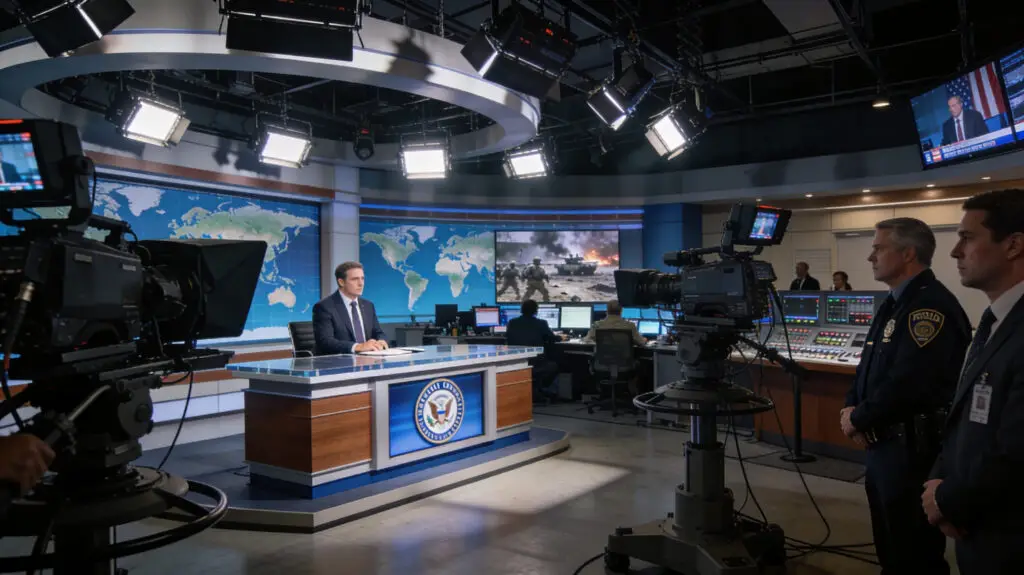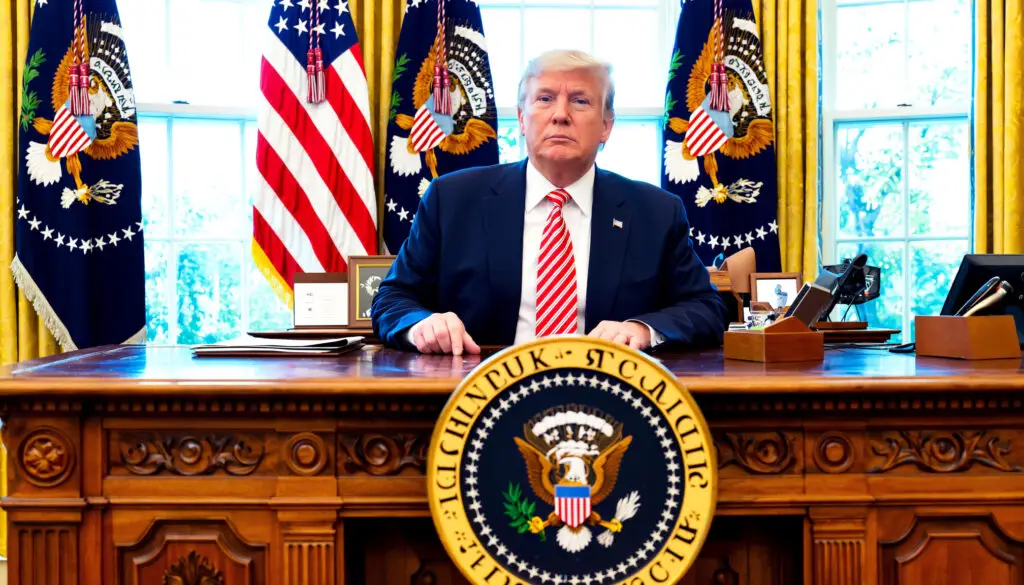
A Look Back at Trump’s First Year
During his second term, President Donald Trump took a lot of actions both at home and abroad. He kept some of his campaign promises, but he also sparked deep political disagreements across the United States. He signed more than 200 executive orders, overturned several Biden-era policies, and granted mass pardons for January 6 convictions within hours of taking office.
Supporters say the first year was important and chaotic, while critics say it has put a strain on institutions and alliances. Trump’s actions were fast and wide-ranging, which showed that he governed with speed, executive power, and confrontation instead of consensus.
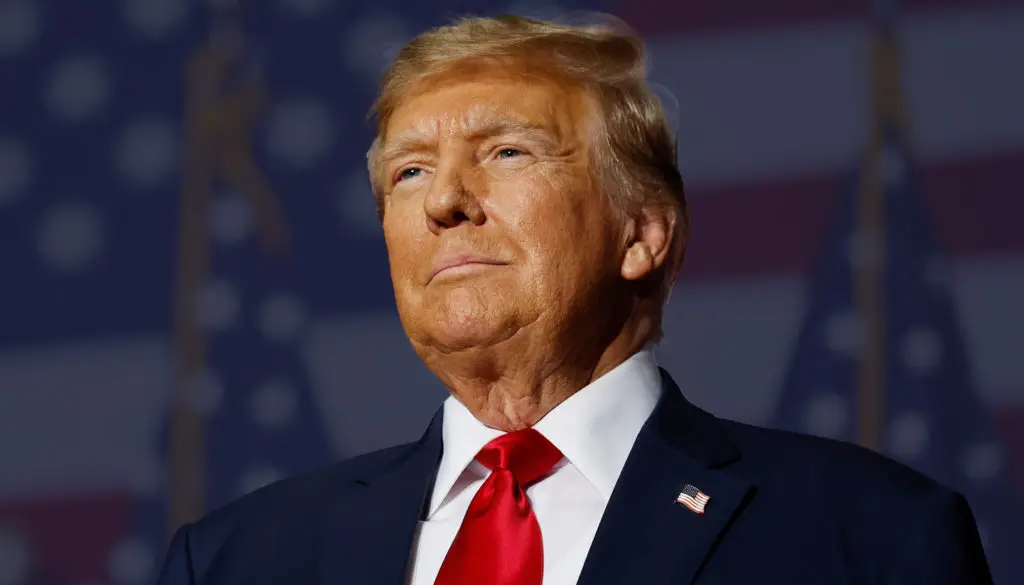
Source: PBS/Website
Foreign Policy Shifts And Global Repositioning
Trump ran for president on the promise of being a peacemaker around the world, but his foreign policy has caused big changes and kept the controversy going. His “peace through strength” doctrine stressed transactional diplomacy, military readiness, and leverage over working together with other countries.
These decisions changed how the US acted on the world stage, leading to both diplomatic breakthroughs and more tension with allies. The administration’s approach has been marked by unpredictability, pressure from both sides, and a willingness to question postwar norms.
Ceasefire Between Israel and Hamas and Events in Gaza
It took months of intense negotiations between regional and international players, but Trump was directly involved in getting a ceasefire in the Israel Hamas conflict in Gaza. The ceasefire has entered its second phase, which has led to less fighting right away.
Supporters say that the administration has helped to calm the conflict, but skeptics say that long-term political solutions are still not in place. The ceasefire’s ability to last depends on weak regional dynamics and enforcement mechanisms.
Recommended Article: Norwegian Politicians Condemn Trump Nobel Medal Gesture
The Venezuela Operation and the Hemisphere Doctrine
US forces took Venezuelan leader Nicolás Maduro in a very controversial foreign operation that was linked to claims that he was helping drug traffickers. The move was in line with a new doctrine called the “Donroe Doctrine” that said the United States should have more power in the Western Hemisphere.
Latin American governments and people around the world had strong reactions to the operation. Critics said it set a bad example for one-sided intervention, while supporters said it was a strong stand against authoritarianism and criminal networks.
Greenland Tensions And NATO Alarm
Trump kept saying that the US should own Greenland, which is a semi autonomous part of Denmark. This made things worse with European allies. He has said he won’t rule out using force, which has made NATO partners very uneasy.
Leaders in Europe said that this kind of talk hurts both territorial sovereignty and collective security. The problem has come to stand for a larger worry about how Trump’s presidency will affect America’s commitment to alliance norms.
The War in Ukraine and the Broken Peace Promise
Even though the campaign promised to end Russia’s war in Ukraine, the fighting goes on and there is no end in sight. Trump has met with Russian President Vladimir Putin at summits, but those meetings have not led to a ceasefire.
The long war has made it harder to work with European allies and has put Trump’s reputation as a dealmaker to the test. The government is under more and more pressure to make clear its long-term plans for Ukraine and Russia.
Immigration Crackdowns And Domestic Enforcement
The administration pushed for strict immigration enforcement policies, giving ICE and other federal law enforcement agencies more power. For the first time in decades, these actions led to a net migration loss.
Supporters say the approach brought back border control and deterrence, but critics say it has negative effects on people and the economy. Immigration is still one of the most divisive issues on Trump’s agenda for his second term.
Restructuring the Federal Government and the DOGE Policy
Trump started a big restructuring of the federal government. The Department of Government Efficiency made big cuts to agencies and the number of workers. The goal of the policy was to cut down on red tape and lower government spending.
People who are against the cuts say they made institutions and public services weaker, but the administration says they need to be more efficient. The restructuring’s long-term effects are still happening.
Tariffs Trade Policy And Economic Impact
Trump put in place big new tariffs to help close trade gaps and boost manufacturing in the US. The first reactions from the market were negative, showing that investors were worried about global trade being disrupted.
The administration eventually moved toward renegotiating trade deals, seeing tariffs as tools to use instead of permanent barriers. The economy is still doing well in some areas but poorly in others, with higher costs in some areas canceling out gains in others.
Political Polarization and Public Opinion
People’s reactions to Trump’s first year are still very divided along party lines. Polls show that supporters are very happy with him, but critics are still against him, especially when it comes to immigration, trade, and foreign policy.
The divided reaction shows how Trump’s way of leading is still changing what it means to be an American. His first year has made his supporters more loyal and his opponents more angry.