


White House Promotes Strong Economic Performance Metrics
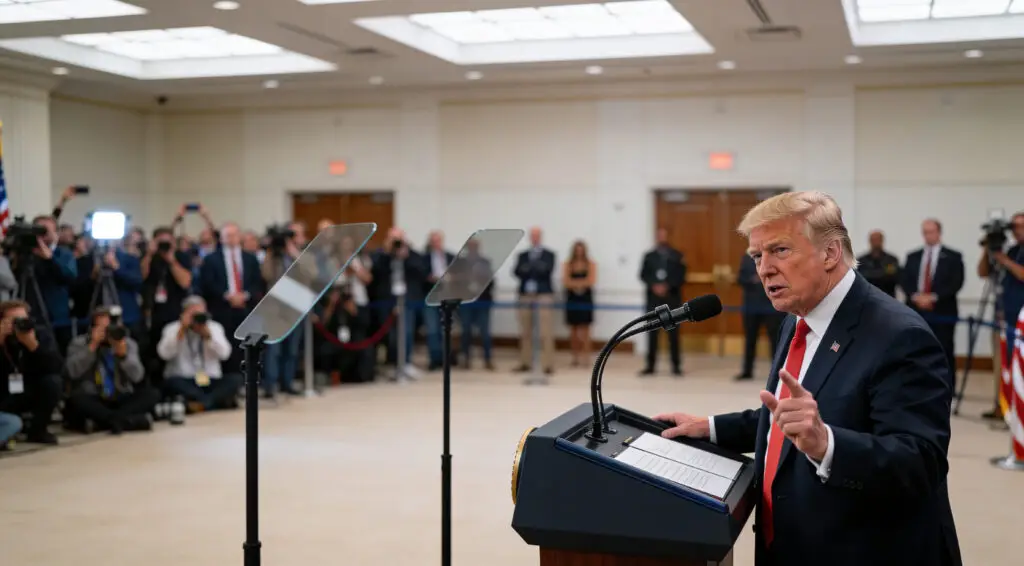
The Trump administration has pointed out a number of economic indicators to show that things are moving in the right direction as we head into 2026. Officials say that record-high stock markets, slowing inflation, and rising employment are all signs that the policy direction is right.
Supporters say that tax cuts, efforts to loosen regulations, and investments in AI have all made businesses more confident. People say that these steps helped keep gas prices low across the country while also supporting wage growth.
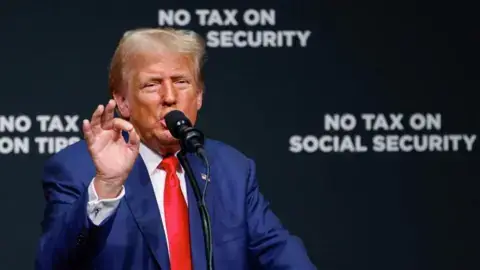
Source: BBC/Website
Stock Market Gains Drive Optimistic Government Narrative
Record highs in major indexes, like the Dow Jones, have become a key part of the administration’s messaging strategy. People often say that rising asset prices show that corporate earnings and investor expectations are still strong.
Predictable policy environments and pro-growth frameworks usually make financial markets happy. But for most households, better stock performance doesn’t always mean better financial conditions.
Public Opinion Shows More Doubt About the Economy
Even though the economy is doing well on a large scale, surveys show that a lot of Americans are still not convinced that it is getting better. About 60% don’t like how the president is dealing with the cost of living, which shows that there is still a gap in how people see things.
About 25% of people who answered the survey think the economy is going in the right direction. This disconnect shows how personal financial experiences often have more of an effect on how people vote than national indicators.
Recommended Article: Vance Urges Olympians to Avoid Politics During Games
Rising Living Costs Continue Pressuring Households
Housing costs are still one of the biggest problems for families in a wide range of income levels. For many workers, higher rents and mortgage payments have made wage increases less helpful.
The cost of food and other daily expenses also continue to affect how people see their financial stability. When applied repeatedly to important household purchases, even small amounts of inflation can feel very bad.
Economic Benefits Appear Uneven Across Income Groups
Analysts say that a lot of the recent gains have gone to wealthier households that own stocks and other financial assets. Wealth creation driven by the market tends to happen more among investors than wage-dependent workers.
People who don’t own a lot of assets, on the other hand, often have a harder time making money. This difference can make people feel like there is more inequality, even when the economy is growing as a whole.
Political Messaging Intensifies Ahead Of Midterm Elections
As the 2026 midterms get closer, government officials are pushing messages that focus on growth and affordability. More and more, campaign strategies use macro stability as proof that current policies should stay in place.
Republican candidates are likely to talk about these issues in districts where they are running against Democrats. Still, it may be hard to convince voters if the cost of living is still the most important economic issue.
Voter Perception Could Shape Upcoming Electoral Outcomes
Political history shows that how people feel about their money often has a big impact on elections. Positive national data alone seldom ensures electoral support without concomitant household enhancement.
If people still don’t believe, economic messaging may not work even if the numbers are good. In the next few months, we will probably find out if hope grows or public doubt changes the political landscape.