Executive Order Shows Rising Economic Pressure
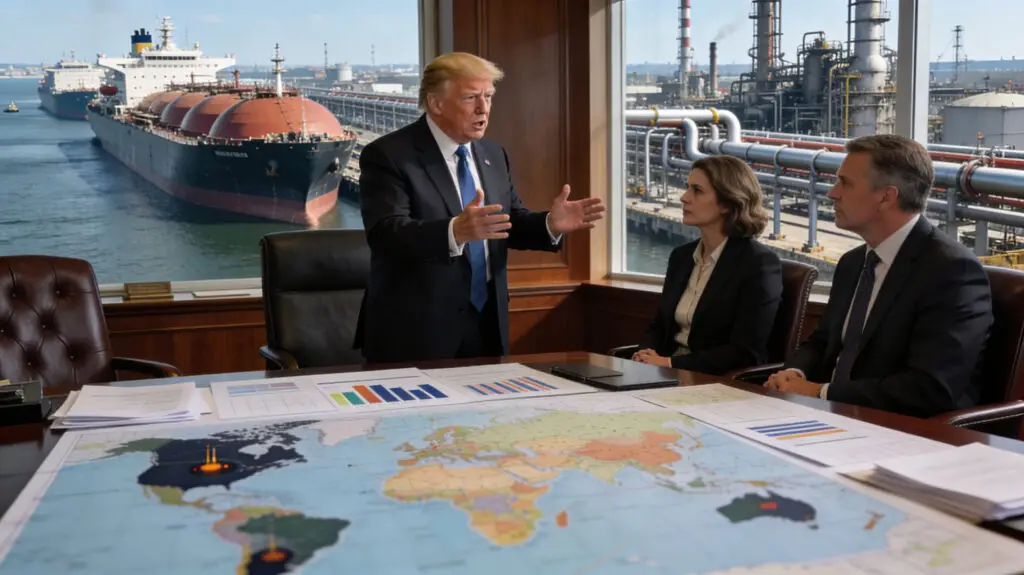
The executive order threatens secondary tariffs against countries that trade with Iran while diplomatic relations are still unclear. Officials say the measure strengthens current sanctions and gives the U.S. more power over global supply chains. The policy shows that Washington is willing to put pressure on its partners indirectly instead of directly confronting Tehran economically.
The order doesn’t say what the tariff rate is, but it does say that 25% is a good example. This kind of language is vague, which gives people room to move while also letting foreign governments know that things could get serious. Analysts think the wording was meant to scare people off, not to be enforced right away across international trade networks.
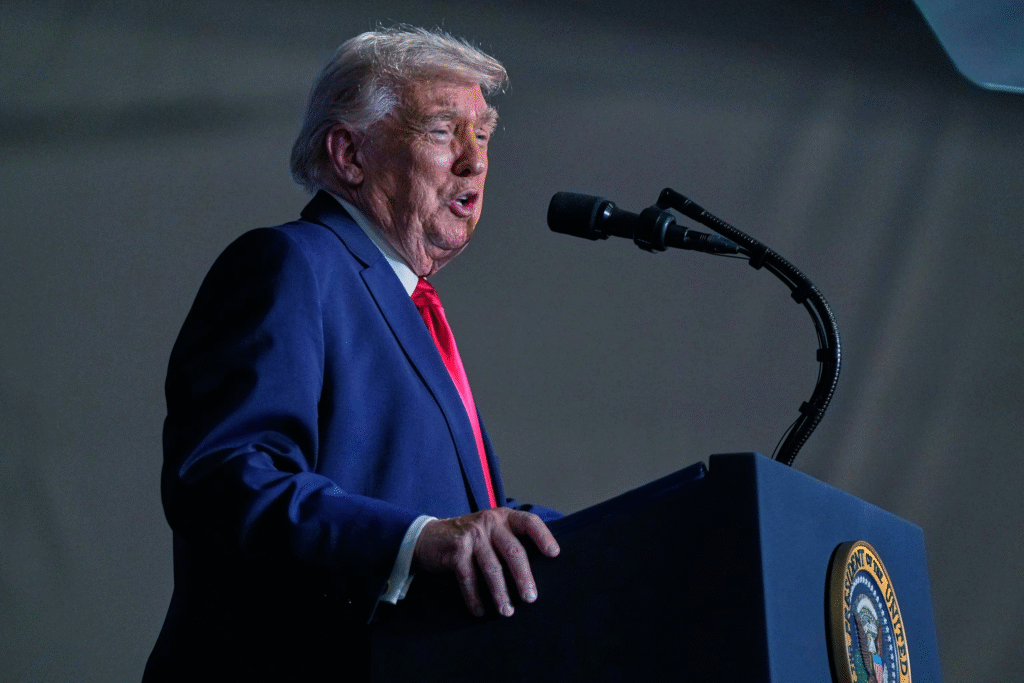
Source: ABC News/Website
Trump’s Iran Strategy And Nuclear Red Lines
President Donald Trump said again that Iran should never be able to get nuclear weapons anywhere in the world. He said that putting pressure on the economy was a peaceful way to avoid military escalation in the region today. The government directly connects its sanctions policy to its goals of stopping the spread of nuclear weapons and improving security in the Middle East.
After months of threats and more military posturing in public, talks in Oman opened up diplomatic channels again. Trump said that the talks were going well, but he also warned that there would be serious consequences if Tehran didn’t follow through. Negotiators are now talking to their capitals, which shows that things are moving forward, even though the two sides have a long history of distrust.
How Secondary Tariffs Could Impact Global Trade
Secondary tariffs would punish third countries that import Iranian goods through limited energy and petrochemical channels. By targeting supply chain intermediaries in global markets, this mechanism gives the United States more power outside of its own borders. Critics say it could lead to trade disputes and retaliation from economic partners in many areas.
Supporters say that secondary measures have worked in the past to greatly limit Iran’s export revenues abroad. They say that coordinated pressure can change behavior without direct conflict between rival states around the world today. A lot depends on how consistently rules are enforced and how well major trading nations work together in global markets.
Recommended Article: Iran Economic Collapse Fuels Deadly Protests Nationwide
China And Other Important Trading Partners Of Iran
Even though there are sanctions, more than 100 countries still do business with Iran in some way. China is still the biggest buyer, buying $ billions of dollars’ worth of energy and industrial goods from Tehran every year. Iranian exports also go to Iraq, Turkey, and the United Arab Emirates, which are all important places for them to go.
An expanded tariff system might make these partners think twice about how much they want to do business in the U.S. Emerging and developed economies have a hard time making strategic decisions about how to balance their energy needs with the risks of trade. To reduce the impact on the economy in their own countries, some governments may ask for waivers or other ways to settle.
US Sanctions Enforcement And Legal Authority
The White House said that the order was part of a national emergency that had already been declared about Iran. Officials stressed that the president has the power to change measures if things change significantly in the future through executive actions. Parallel sanctions were aimed at companies that traded Iranian oil, petrochemicals, and related shipping services in markets around the world.
In the past, secondary sanctions made banks and insurers less likely to help with transactions involving sanctioned states. Legal experts say that principles of sovereignty make it harder to enforce international trade law frameworks that go beyond US jurisdiction. Still, people who are in the market often follow the rules to avoid being cut off from dollar systems and American financial networks.
Diplomatic Talks And Regional Security Risks
Oman helped mediate talks to ease tensions after last year’s attacks on nuclear facilities in the region. Both sides said the talks were cautiously optimistic, but they also admitted that there were still big differences between them on security and sanctions issues. Another meeting is planned, and diplomatic channels will stay open, even though more troops are being sent to the area.
Regional allies are worried that a mistake could lead to a bigger war involving many state actors in Middle Eastern theaters. The US has sent more ships and planes to the region to stop Iran from doing anything else that might cause trouble. Human rights groups say that increasing pressure makes life worse for civilians as economies that are under sanctions fall apart.
What Will Happen Next In US-Iran Relations?
Nuclear concessions, lifting of sanctions, and ongoing diplomatic engagement between Washington and Tehran will determine their future relationship. Trump said he would be willing to use military force if negotiations fail, even though he would rather use economic pressure tools. Now, markets and allies are keeping a close eye on enforcement decisions to see how they will affect expectations for stability in the region in the future.
Iran keeps saying that its program is peaceful and denies Western governments‘ claims that it wants to make weapons. Rising tariffs could make things more difficult, making it harder to reach a compromise during already fragile negotiations around the world. For now, diplomacy goes on, but there is a threat of deeper economic warfare that will change how energy and trade work around the world.