Trump Escalates Greenland Rhetoric With New Tariff Threats
Donald Trump, the president, said that countries that do not agree with his plan to control Greenland could face high trade tariffs. He said the threat was connected to earlier tariffs on drugs that were imported from the European Union. Trump said that the issue was important for the safety of the United States.
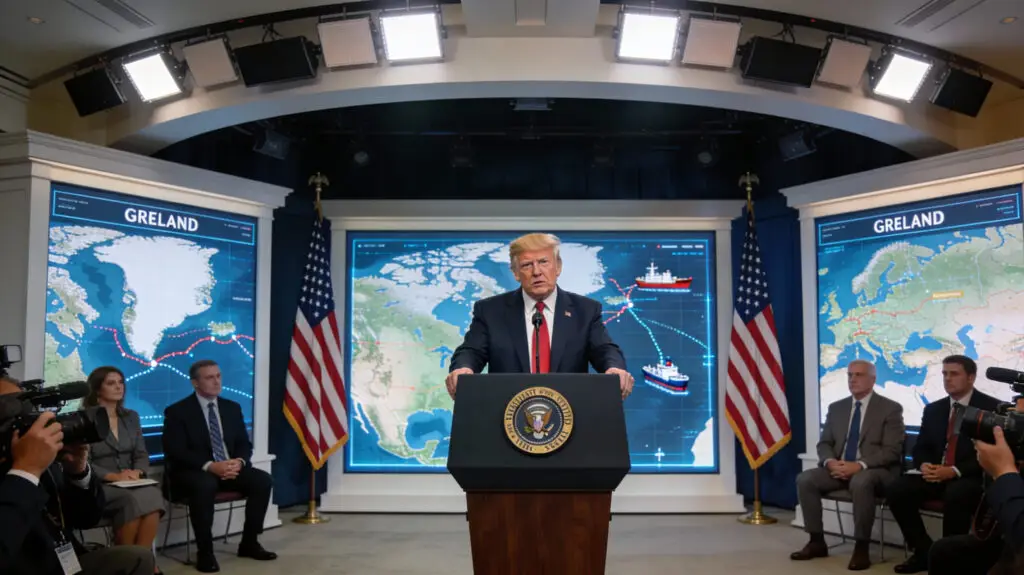
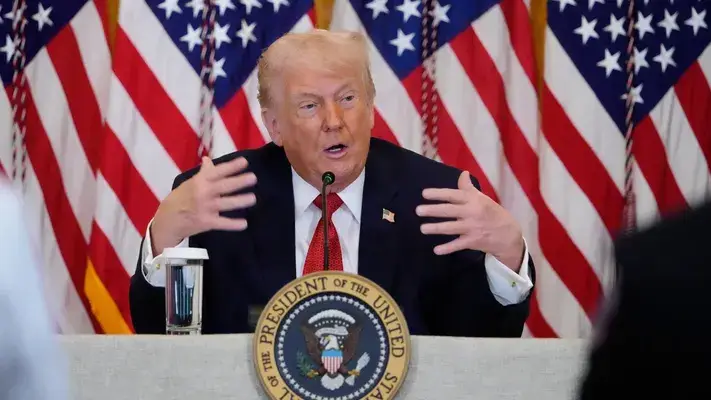
At a White House event, Trump said that tariffs could make governments that do not want to comply do so. He said that using economic power as a tool of foreign policy is still useful. The comments made everyone in Europe and the Arctic region worried about diplomacy right away.
Source: Forbes/Website
Greenland Framed As Critical To United States National Security
Trump talked a lot about how important Greenland is strategically because of where it is and the resources it has in the Arctic. He said that taking control of Greenland would make the US military stronger. He has always used national security as a reason for the proposal in public.
Officials in the administration echoed this by talking about the benefits of Arctic shipping routes and military surveillance. Greenland’s location between North America and Europe is still important for military purposes. Critics say that this kind of reasoning makes complicated issues of sovereignty and alliances too simple.
Special Envoy Signals Washington Determination To Pursue Deal
Trump’s special envoy to Greenland said that the US should finish the deal for control. He said he would go to Greenland in March to move the talks forward. The envoy stressed how serious the president was about talks about buying something.
These comments made people think even more that Washington sees the proposal as more than just words. Greenland is still mostly an independent part of the Danish kingdom. Danish leaders have said many times that they will not give up their sovereignty.
Recommended Article: China and Canada Reset Trade Ties After High-Level Talks
US Lawmakers Visit Copenhagen To Counter Presidential Threats
A group of American lawmakers from both parties went to Copenhagen to show their support for Denmark and Greenland. They talked to Mette Frederiksen, the Prime Minister of Denmark, and Jens Frederik Nielsen, the leader of Greenland. The visit was meant to counter Trump’s threatening messages.
Senator Lisa Murkowski said that Greenland should be seen as an ally, not a strategic asset. Lawmakers showed that Congress was not happy with threats of military or economic pressure. The delegation made it clear that there are differences between Congress and the White House.
Denmark And Greenland Receive International Diplomatic Backing
European leaders and Arctic partners paid close attention to what Washington said about Greenland. Denmark has said over and over that the people of Greenland should decide its future. Officials from Greenland said again that they are committed to self determination and independence.
Diplomats said that threats of tariffs could hurt long standing alliances between the US and Europe. Economic pressure could make NATO less united and make it harder for countries in the Arctic to work together. People who were watching said they were getting more worried about the United States’ foreign policy signals, which were becoming less predictable.
Iceland Comments Add To Nordic Regional Tensions
People were also angry when Trump’s ambassadorial nominee allegedly made a joke about Iceland becoming a US state. Thousands of people signed a petition saying that the comments were rude and scary. The Icelandic foreign ministry officially asked the US embassy for more information.
The episode made people in the area even more uneasy about how the US talks about Nordic countries. Officials stressed the importance of respect and independence in alliances. These kinds of comments could make smaller allied countries less trusting of each other.
Trade Leverage Changes The Bigger Debate About Foreign Policy
Trump’s threat of tariffs on Greenland shows how much he relies on trade pressure to get what he wants in foreign policy. He has used tariffs many times to get concessions from both friends and enemies. Critics say that this way of doing things makes diplomatic norms and global trade systems less stable.
Supporters say that economic tools give power that is not military to help reach security goals. The Greenland incident underscores persistent tensions between coercive diplomacy and alliance management. Its result could change the politics of the Arctic and the relationship between Europe and the United States.