


Trump Threatens Tariffs Over the Canada-China Trade Deal
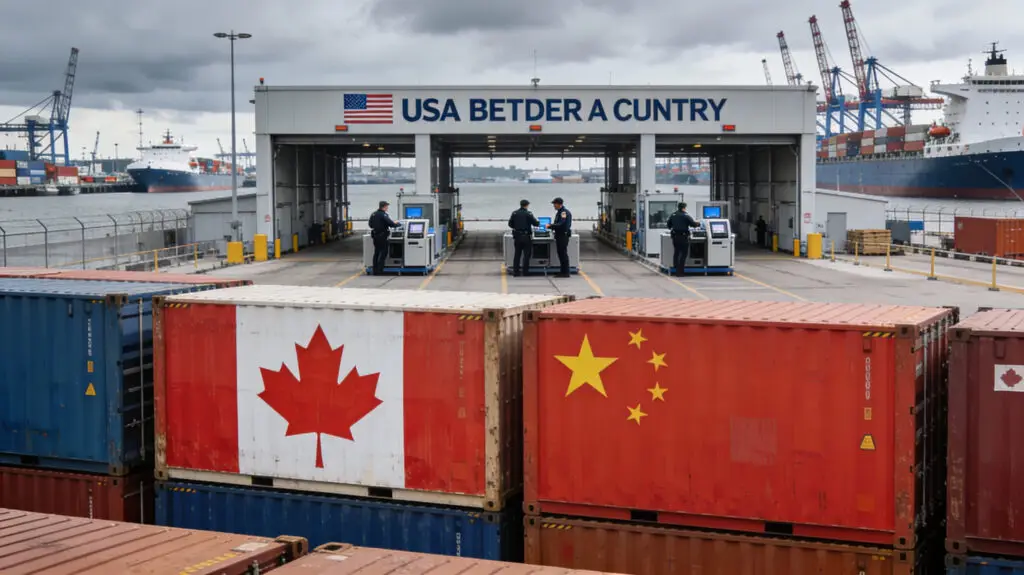
After Canada decided to strengthen its economic ties with China, President Donald Trump warned that Canada would face heavy trade penalties. He said that the deal could make Canada a stopover for Chinese goods on their way to American markets. Trump made the threat sound like a matter of national security instead of a normal business dispute.
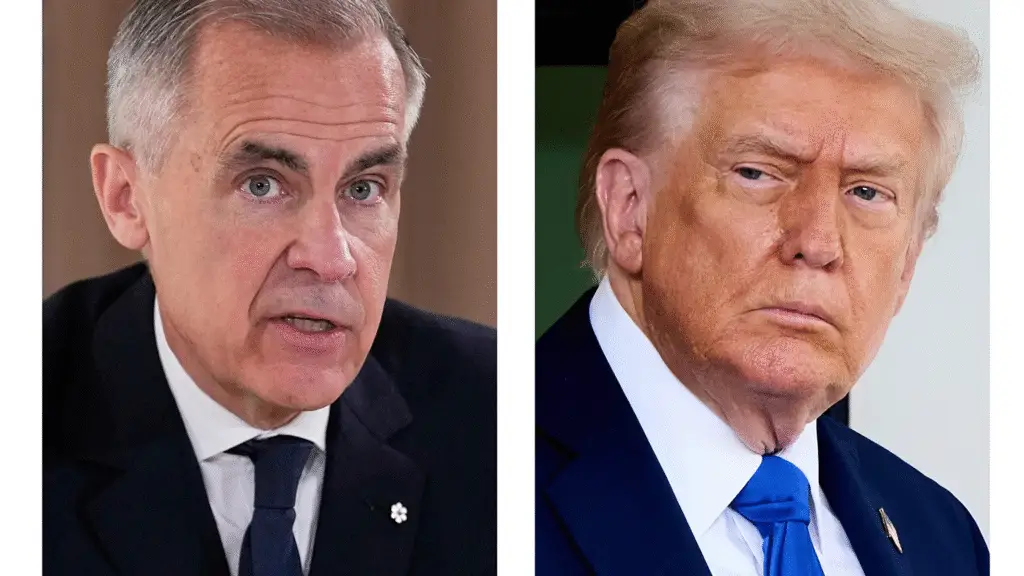
The warning came in the form of a Truth Social post that strongly criticized Canadian Prime Minister Mark Carney. Trump said that Canada would have to pay full tariffs if it let China get around US trade rules. The language showed that Washington was becoming more hardline as it rethinks its allies’ economic ties and strategic loyalties.
Source: Euronews.com
Canada-China Agreement Reshapes Trade Strategy
As part of a bigger plan to depend less on the US, Canada has been working on the deal. The deal lowers Chinese tariffs on important Canadian agricultural exports, such as canola products. Under the preliminary framework, Beijing also let Canadians travel to China without a visa.
In exchange, Ottawa agreed to import tens of thousands of Chinese electric cars at lower tariffs. The move is a big change for Canada’s long-standing trade policy. Analysts say the deal shows that the US is being more practical in its dealings with other countries as relations become more uncertain.
Trump Warns Tariffs Will Protect US Markets
Trump said that tariffs that hurt trade are needed to stop unfair trade from coming into the US. He said that if Chinese manufacturing strength was not kept in check, it could take over Canadian industries. The comments were in line with his trade policy’s main theme of protectionism.
The suggested 100% tariffs would be put on all Canadian goods that come into the US market. Such actions would be one of the most severe trade reactions between close allies in decades. Economists say the effect could spread through North American supply chains that are linked.
Recommended Article: Trump Mocks Climate Change as Massive US Ice Storm Nears
Escalating Rhetoric Fuels Canada-US Political Tensions
After a week of heated arguments between Washington and Ottawa, the tariff threat came. Carney had already warned at an international forum that the US-led global economic order was breaking down. Trump saw those comments as a challenge to the United States’ leadership.
In response, Trump is said to have taken back an invitation to the Canadian leader to come to the United States. The symbolic snub made people think even more that relations between the two countries were getting worse. People say that the rhetoric on both sides has become unusually harsh very quickly.
China-Canada Ties Revive After Years of Strain
Canada and China have had a lot of problems with each other since high-profile arrests and retaliatory detentions. Trade restrictions on both sides hurt exports of goods and services from both sides. Recent talks are meant to put relations back on a more stable path.
Chinese officials said they were open to normalizing economic ties under the new partnership. Canada sees the deal as a step toward getting back into markets where it lost access. Beijing is looking for stable partners as trade around the world breaks down.
Risks For Canadian Exporters And The Economy
A full-scale US tariff response would be very bad for Canadian farmers and manufacturers. By a wide margin, the United States is still Canada’s biggest export market. Disruption could cause people to lose their jobs and prices to go up at home.
Industry groups have told Ottawa to handle the disagreement carefully so it does not get worse. They say that tariffs in response could make supply chains that are already weak even weaker. Business leaders are calling for quick diplomatic action to make trade relations more stable.
Wider Effects On The Order Of Global Trade
The disagreement shows that tensions are rising between protectionism and strategic trade diversification. In a world where politics are uncertain, allies are more and more going their own ways when it comes to business. Trump’s position shows that alliances are based on trade leverage and a transactional way of thinking.
Experts say that similar conflicts could happen as countries move away from their traditional partners. The deal between Canada and China could be a test case for future changes in trade. How Washington reacts could change the next stage of global economic diplomacy.