


The CEO of JP Morgan Issues a Serious Economic Warning
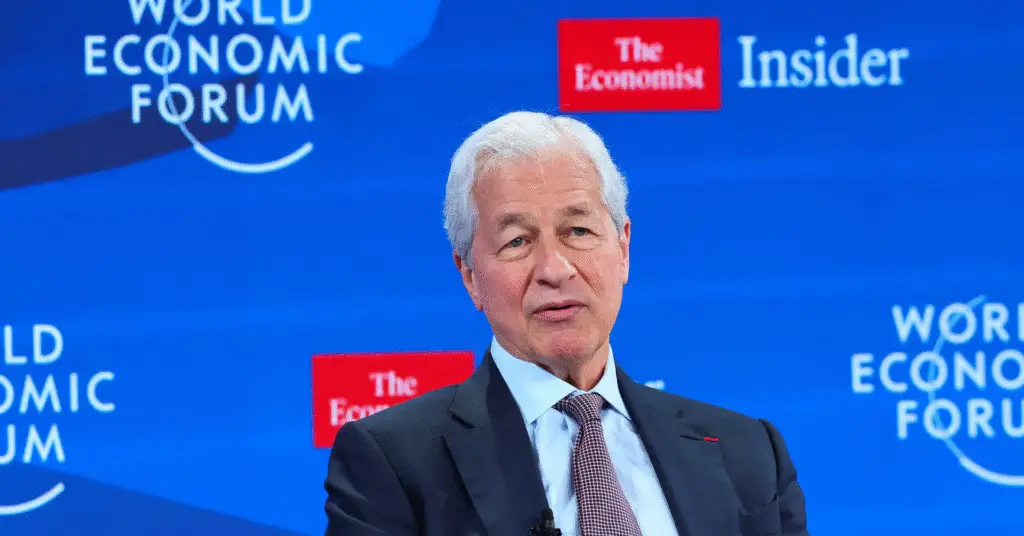
Jamie Dimon, the CEO of JP Morgan, cautioned that limiting credit card interest rates would cause significant economic upheaval. He maintained that most Americans who depend on credit cards for emergency funding would have much less access to credit as a result of the proposal. Banks could withstand the shift, Dimon emphasized, but there would be serious unforeseen repercussions for households and businesses.
In a public statement, Dimon characterized the proposed cap as extreme and detrimental to the economy in a number of areas. He underlined that credit cards serve as millions of people’s backup liquidity when handling erratic spending. The loss of this access could have a national impact on employment, consumption, and local economic stability.
Source: Reuters/Website
Trump Proposal Targets Temporary Credit Card Interest Cap
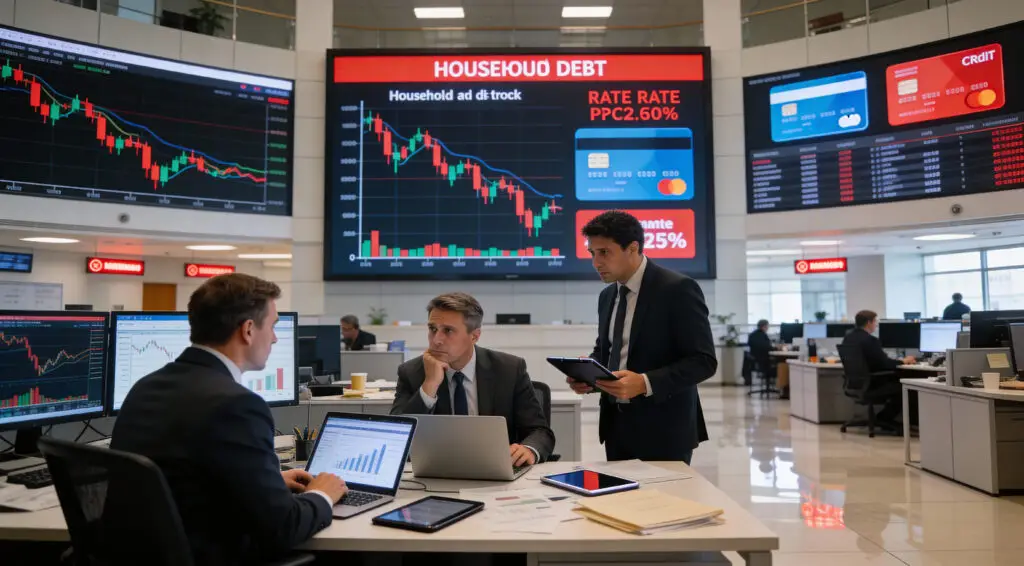
For a year, Donald Trump suggested capping credit card interest rates at 10%. Although the proposal’s legal enforcement mechanisms are unclear, it would start on January 20. Trump presented the concept as a way to shield consumers from large card issuers’ excessive profits.
A campaign proposal to address the growing burden of household debt is revived in this plan. Credit card companies, according to Trump, could absorb losses while providing consumers with significant financial relief. However, markets are unsure of the regulatory viability due to the lack of clarity surrounding implementation details.
Risks to Credit Access for Most American Customers
According to Dimon, about 80% of Americans would no longer be able to obtain credit if interest rates were capped. He clarified that because lower rates increase the risk of defaults, lenders would limit approvals. When savings are insufficient, credit cards frequently help households in times of need.
Customers might put off necessary payments like utilities, tuition, or travel obligations if credit is unavailable. Dimon cautioned that this strain would affect regular service providers in addition to banks. The households with lower incomes that rely most on revolving credit may experience increased economic stress.
Recommended Article: Jollibee Reviews Structure for US Listing of Global Business
Business Sectors May Suffer Serious Collateral Damage
Restaurants, shops, travel agencies, and educational institutions would be more negatively impacted than financial institutions, according to Dimon. Revenues in the retail and service sectors would be directly impacted by decreased consumer spending. Payment delays may also have an impact on municipal budgets and public services.
Leaders in the industry worry that a decline in credit will impede trade and reduce discretionary spending. Consumer credit is used by businesses to offset demand swings all year long. During times of general uncertainty, restricted lending may erode economic momentum.
The Banking Sector Issues a Structural Market Distortion Warning
Banking associations warn that in response, lenders would close riskier accounts and tighten credit limits. To compensate for revenue losses, reward programs and customer benefits would probably be scaled back. Experts caution that lower rates would make it more difficult for banks to properly price risk.
Consumers may be forced to choose less regulated financial options, according to a joint warning from 5 major banking groups. These choices might be more expensive and offer less protection to borrowers who are more susceptible. Instead of easing household financial strain, such changes may raise systemic risk.
Political Discussion on Credit Regulation Heats Up
Lawmakers who support strong consumer protection measures have endorsed Trump’s proposal. Interest caps, according to critics, oversimplify intricate credit markets and run the risk of hurting the intended recipients. Dimon recommended regional pilot testing of the policy prior to its national adoption.
Deeper conflicts between populist economic promises and the realities of the financial market are brought to light by the debate. Regarding striking a balance between affordability and a sustainable credit supply, lawmakers are still at odds. As household debt levels continue to be historically high, long-standing disputes come up again.
Market Response Indicates Industry and Investor Unease
Following the announcement of the proposal, financial markets responded swiftly, with shares of major card networks falling. Investors are concerned about the consumer finance sectors’ decreased profitability and long-term uncertainty. Banks in the UK with exposure to the US also saw brief drops in share prices.
Right now, the average US credit card interest rate is close to 20 percent. The lending economics of the entire sector would be drastically changed by halving that rate. Consumers, banks, and legislators are all still unsure as the debate rages on.