Tesla Reports Revenue Decline Amid Strategic Shift Away From Vehicles
As Tesla shifts its focus to AI and robotics projects, it reported its 1st annual drop in revenue. In 2025, total revenue fell by 3%, and at the end of the year, quarterly profits fell sharply. The results show that Tesla’s traditional electric vehicle business model is under more and more pressure.
Executives said that the slowdown was not a permanent change, but rather a temporary one. Management put more weight on long-term investments than on short-term financial performance. The plan shows that Tesla is sure that new technologies will shape the company’s future growth path.
Source: digitimes/Website
Model S and Model X Production Officially Comes to an End
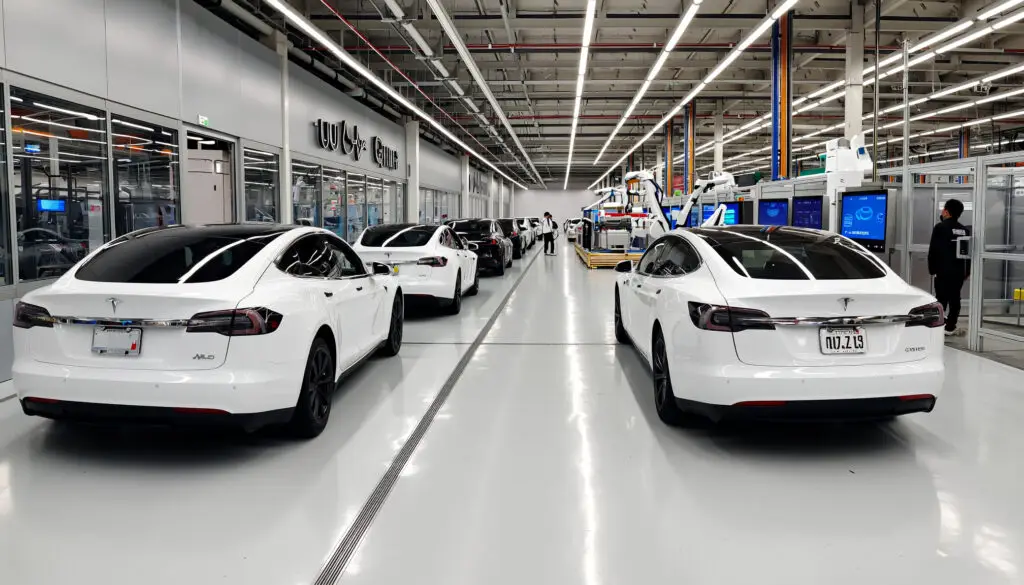
Tesla said it will stop making the Model S and Model X cars. The California factory that used to make these models will now be used to make humanoid robots. This choice is a symbolic break from Tesla’s early lineup of high-end cars.
Analysts said that both models had been selling very few units in recent years. Resources for production are being moved to projects that have a better chance of growing. The move shows that the company is streamlining its portfolio, not giving up on electric vehicles altogether.
Optimus Robots Become Central to Tesla Manufacturing Vision
Tesla wants to use the old car factory to make its humanoid robots, which are called Optimus. These robots that can do a lot of different things are meant to be a big part of Tesla’s plans for automation in the future. Management thinks that robotics could one day make as much money as cars.
The Optimus program fits in with Tesla’s other investments in artificial intelligence. Vision systems, neural networks, and the ability to make decisions on their own are very important for robots. Tesla believes that its AI knowledge can be used on different machines, platforms, and industries.
Recommended Article: xAI Plans $20 Billion Mississippi Data Center Investment Bid
Investment in xAI Signals Deeper Commitment to Artificial Intelligence
Tesla said it put $2 billion into xAI, the artificial intelligence company that Elon Musk started. Musk said that Tesla took part in the funding round because investors wanted them to. He said that the move was a direct response to what shareholders wanted.
But the votes from shareholders on whether or not to invest in xAI were split. More people voted against and abstained from a recent proposal than voted for it. Tesla went ahead anyway, saying it was in line with its strategy and would lead to long-term opportunities.
Rising Capital Spending Reflects Bet on Long Term Transformation
Tesla said it plans to spend about $20 billion more on capital projects. Musk said that the levels of investment coming up would be high and focused on the future. The money will help with the growth of robotics, AI, and self-driving systems.
The higher capital commitment comes with lower profits in the near future. Tesla seems willing to deal with lower profits in order to achieve big growth. Management said that the investments were necessary to stay ahead in technology.
Competitive Pressures and Politics Reshape Tesla Market Position
In January, BYD became the world’s biggest maker of electric vehicles, passing Tesla. Analysts say that more competition and Tesla’s older cars are 2 things that are hurting the company. It’s no longer certain that EVs will lead the market.
People’s opinions of Tesla have also changed because of Musk’s political activities. His ties to Donald Trump’s administration sparked protests at Tesla dealerships all over the world. Political controversy turned some of Tesla’s regular customers away.
Analysts See Focus Shifting Toward Scalable Higher Volume Platforms
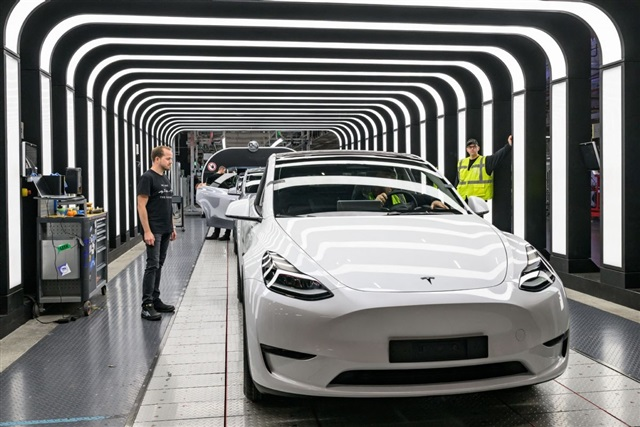
Ending production of the Model S and Model X makes sense from a business point of view, according to experts. Tesla’s main cars are still the Model 3 and Model Y, which are bigger than other cars. Focusing on scalable platforms makes operations run more smoothly and increases profits.
Analysts also say that Tesla’s move into robotaxis and automation is a sign of necessity. Innovation in areas other than cars may make up for the drop in demand for electric vehicles. Tesla’s future depends more and more on how well it can use new technologies in a number of areas.