Nation Mobilizes Quickly After Yoon Declares Martial Law
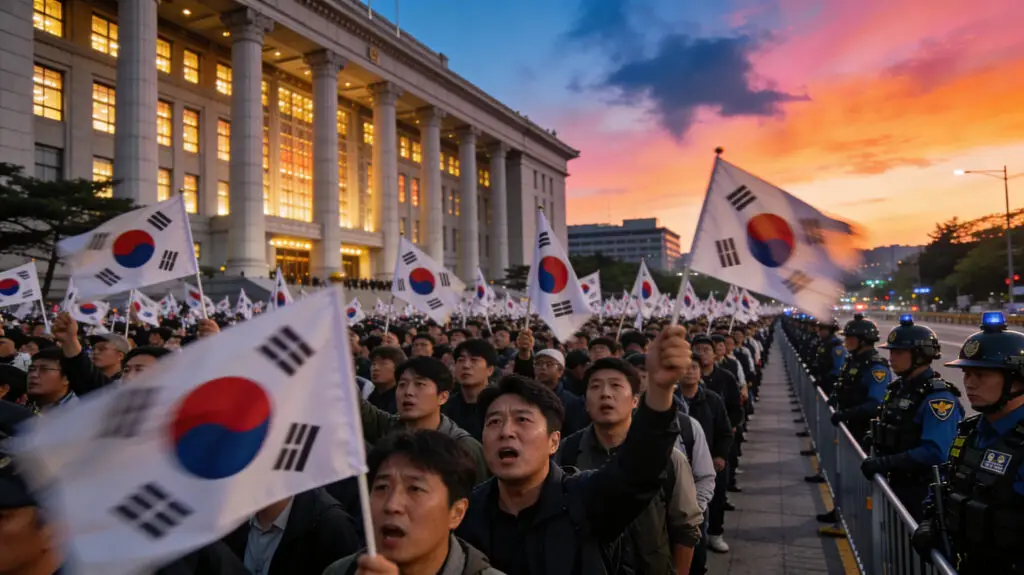
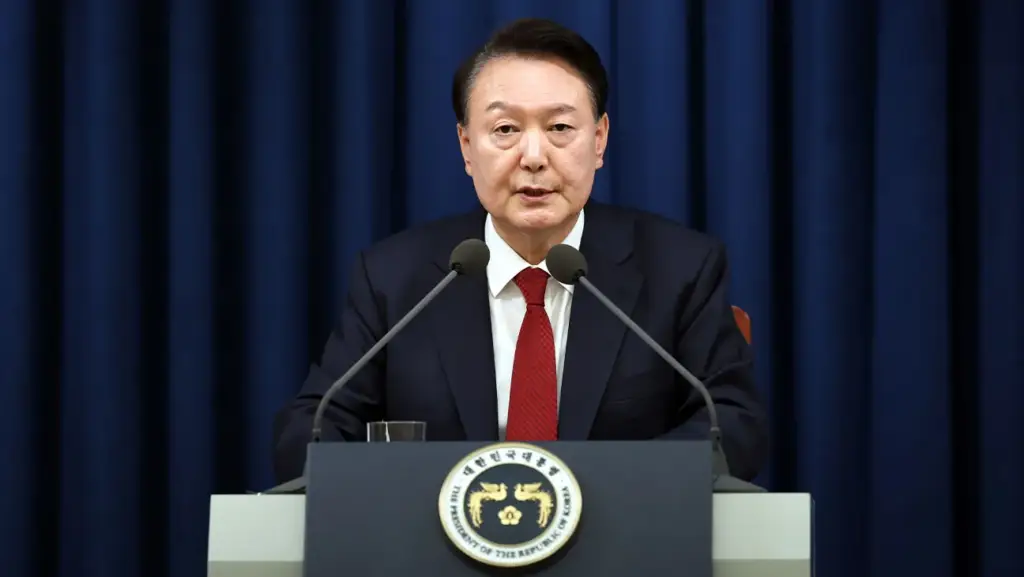
In December 2024, former president Yoon Suk Yeol shocked the country by abruptly declaring martial law. His announcement triggered confusion, followed by rapid public mobilization in Seoul. Thousands gathered outside the National Assembly demanding preservation of constitutional protections.
Within hours, protesters openly defied emergency directives imposed by authorities. Citizens argued that democratic norms required immediate collective defense. Their swift mobilization reflected deep civic commitment across diverse communities nationwide.
Source: The Hollywood Reporter
Institutions React Strongly to Defend Constitutional Order
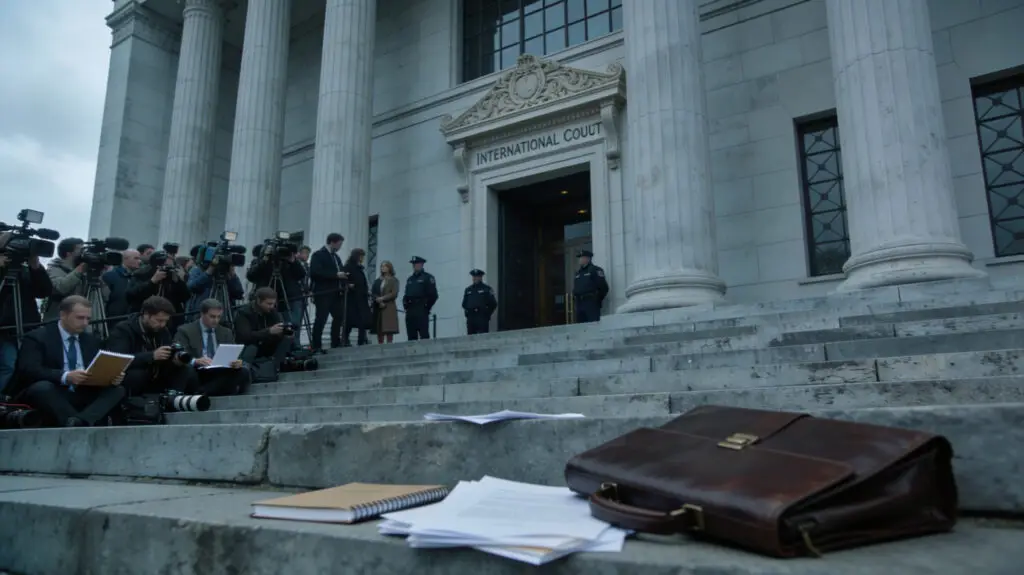
Despite security deployments and heightened tensions, the National Assembly convened without delay. Lawmakers entered restricted areas to vote unanimously against the martial law order. Their actions demonstrated institutional resolve under extraordinary constitutional pressure.
Judicial bodies initiated oversight procedures to review executive authority. Civil organizations amplified calls for transparency and accountability. Coordinated institutional responses reinforced the integrity of democratic governance.
Civil Society Becomes a Strong Protection for Democracy
Protests intensified overnight, uniting demonstrators around demands for lawful government. Participants emphasized solidarity in resisting authoritarian measures. Public pressure mounted swiftly, compelling institutions to intervene decisively.
Civic groups organized communication networks and offered legal assistance to participants. Their efforts encouraged widespread engagement that strengthened constitutional safeguards. Demonstrations highlighted society’s awareness of democratic protest traditions.
Recommended Article: UK Seeks Best Trade Terms As US Tariffs Rise Under Trump Plan
Historical Memory Shapes Public Response to Crisis
South Korea’s history of authoritarian rule shaped public reaction to the declaration. Older generations recalled hardships under military governance, prompting immediate resistance. Their lived experiences heightened sensitivity to early warning signs of democratic erosion.
Younger citizens initially expressed confusion but quickly joined coordinated resistance efforts. Education and collective memory informed understanding of institutional vulnerability. Cross-generational unity reinforced national resolve during the crisis.
Impeachment and Legal Proceedings Reinforce Accountability
Following the failed martial law attempt, impeachment proceedings moved forward rapidly. Lawmakers pursued charges consistent with constitutional procedures and democratic norms. Subsequent investigations resulted in severe legal consequences for those implicated in insurrection.
Judicial accountability reassured citizens that executive authority remains constitutionally constrained. Courts emphasized procedural clarity during politically sensitive hearings. Their rulings strengthened public confidence in rule-of-law institutions.
Elections Show Public Commitment to Democratic Renewal
In subsequent elections, voters overwhelmingly rejected Yoon’s political party. Opposition candidate Lee Jae Myung secured victory, signaling democratic recalibration. Electoral participation reflected strong commitment to restoring political stability.
The transition underscored the central role of voters in safeguarding democratic systems. Citizens exercised peaceful mechanisms to reinforce accountability structures. Results demonstrated enduring support for transparent and responsible governance.
Democratic Resilience Serves as a Global Example
Observers described South Korea’s response as a powerful example of democratic resilience. Citizens and institutions collaborated effectively to counter authoritarian impulses. Their coordinated actions illustrated how constitutional systems withstand crisis.
Experts emphasize sustained civic engagement and institutional independence as vital safeguards. South Korea’s experience demonstrates that collective vigilance protects democratic freedoms. The episode offers global lessons on preventing democratic backsliding.