Wartime Economic Boom Gives Way To National Stagnation
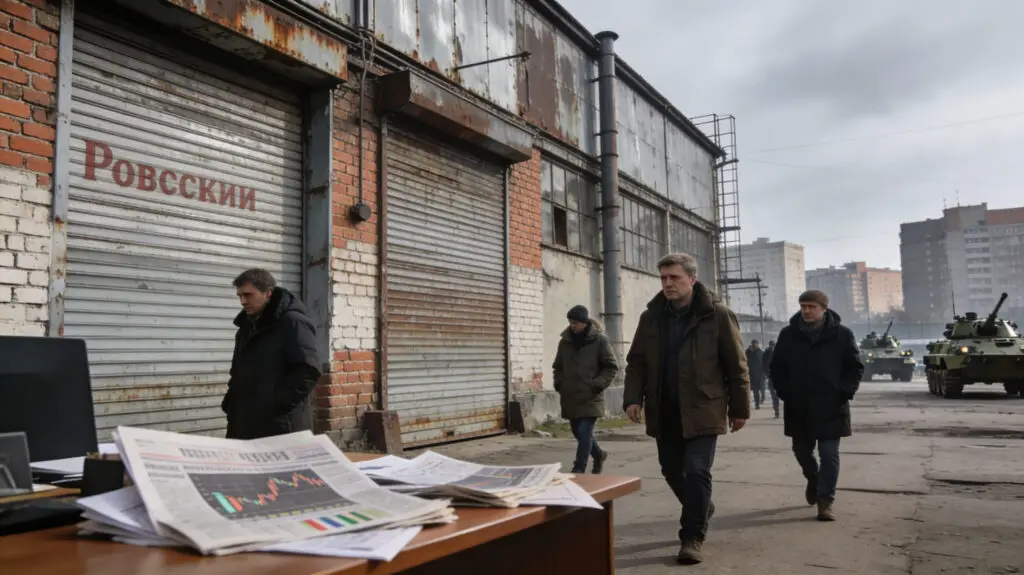
Russia’s economy grew quickly during the war, but now that growth is slowing, it’s clear that there are serious problems in all civilian sectors across the country. Military spending had hidden demographic decline and productivity limits that are now showing up again in Russia’s economy as a whole. Russia is not going to collapse; instead, it is going to stagnate, which is the weakest economic position it has been in since the Ukraine invasion began.
Even though sanctions were in place during earlier years of conflict, Russia’s economy stayed among the top in the world thanks to defense-driven growth. That momentum slowed down as fiscal buffers got smaller and civilian industries lost access to stable sources of funding. Moscow’s ability to adapt is limited right now because the economy is stagnant and the costs of war keep going up without a corresponding rise in output.

Source: Bruegel/Website
Falling Oil Revenues Undermine Russia’s Fiscal Stability
During the height of the war, oil and gas revenues made up almost 40% of Russia’s federal budget. That share dropped quickly as prices around the world fell and sanctions limited the amount of goods that could be exported and the ability to set prices. Less money from energy directly limits Moscow’s ability to keep spending money on the military for long periods of time abroad.
Ural crude prices fell sharply because there was too much of it on the market and international demand was weak. Because of sanctions, Russia had to rely on fewer buyers who were willing to sign energy contracts with lower prices and political restrictions. These trends slowly eat away at the money that pays for weapons and battlefield logistics.
Sanctions Continue Biting Despite Trade Shifts Eastward
After European markets closed quickly, Russia sent its energy exports to China, India, and Turkey instead. Combined purchases are still much lower than the European demand that Russia relied on before the war. India’s recent cuts made it even harder for exporters to make money as geopolitical tensions rose.
Analysts say that sanctions and strikes in Ukraine are making it harder for the country’s energy infrastructure to work. International enforcement actions are getting stronger against attempts to get around restrictions using shadow shipping fleets. Targeting ships that aren’t registered could make it even harder for the Kremlin to make money and get oil.
Recommended Article: Iran Economic Collapse Fuels Deadly Protests Nationwide
Demographic Decline Intensifies Russia’s Labor Shortages
Since 2019, Russia’s population has been steadily going down because people are leaving the country, people are dying in wars, and birth rates are going down. No matter what short-term changes are made to fiscal or monetary policy, a shrinking workforce will limit long-term growth. There are now both labor shortages and very low unemployment, which hides deeper structural problems in the economy.
Russia’s economy is different from those in the West because it doesn’t have a steady stream of immigrants to make up for the loss of workers. War mobilization made it even harder for men of working age to work in the civilian economy across the country. These pressures limit the amount of goods produced and the delivery of essential services in many areas.
Tax Hikes And Inflation Squeeze Russian Households
To keep the public finances stable, the Kremlin raised corporate taxes and made personal income brackets higher. Value-added tax hikes pushed up prices for consumers, even though inflationary pressures were still strong. Exemptions for essential goods didn’t completely protect families from rising costs of living.
To fight inflation, the central bank made interest rates go up a lot. Mortgage subsidies stopped, and households and small businesses had a harder time getting credit. These steps slowed down inflation, but they also made the overall economic slowdown across the country worse.
Military Spending Slows But Remains Exceptionally High
During the worst years of the conflict, Russia’s military spending as a share of GDP more than doubled, reaching over 7%. Recent increases have slowed down, showing that the government is under more financial stress even though it is still fighting on the battlefield. Defense spending is taking up more and more space that could be used for welfare, healthcare, education, and infrastructure investment.
During the war, people were more hopeful at first, but that hope has since faded. More Russians think that the economy in their area is getting worse again, according to polls. The Kremlin will have a hard time managing politics in the long term because morale is low.
Can Russia Sustain War Financing Going Forward
Experts think that Russia can pay for the war in the short term by borrowing money, raising taxes, and printing more money. Low sovereign debt gives you some short-term flexibility, even though you can’t easily get to global capital markets. If oil prices keep going down, the risks to fiscal sustainability would get a lot worse.
Prices going up might make revenues more stable, but structural problems would still be there. The growing strain on the economy may make people more willing to talk about negotiations that are mediated by other countries. Russia’s war economy is weak, but it can still work for the time being.