Breakthrough Genome Editing Technology Expands Cancer Treatment Options
Russian scientists have made advanced genome editing systems that can precisely target cancer and infectious diseases. You can change these CRISPR Cas complexes to edit genes, epigenomes, or nucleotide sequences in DNA and RNA. The flexibility enables researchers to develop therapies that target tumor mutations and chronic viral infections concurrently.
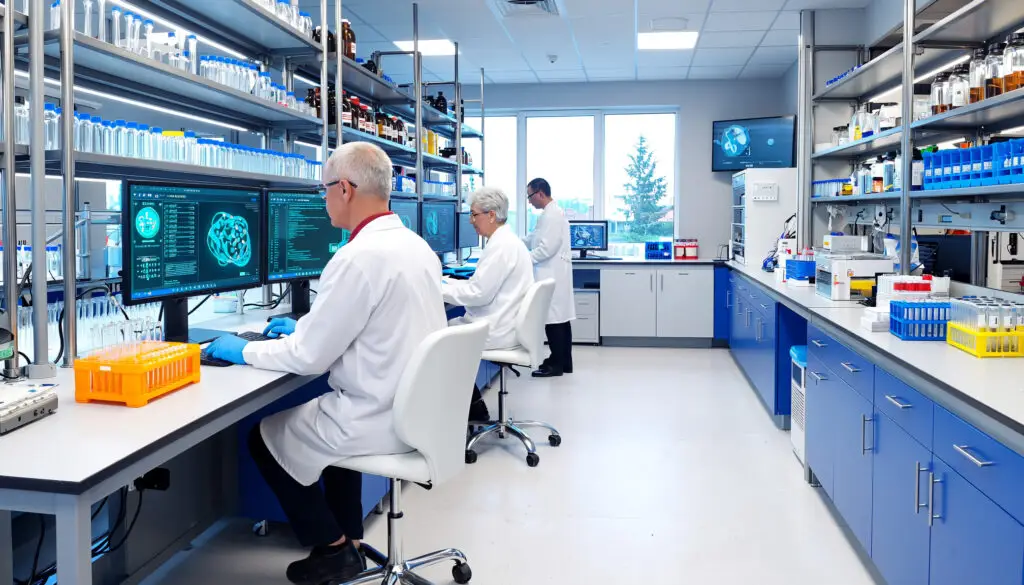
The technology comes from the Laboratory of Genetic Technologies for Drug Development at Sechenov University. Researchers stress that the platform can be used for more than just treating one disease; it can be used for many different medical purposes. This is a big step toward using genome engineering to make cancer treatments more personalized and targeted.

Universal Delivery System Enables Precise Therapeutic Targeting
Researchers in Russia have made a delivery system that is said to be universal and very flexible. It can carry anti-tumor molecules, genetic editing tools, or other therapeutic cargo straight to the organs that need them. This method reduces off-target effects and increases the effectiveness of treatment in the tissues that are affected.
Scientists say that delivery flexibility makes it possible to fix mutations, kill tumors, or stop infections. This flexibility greatly increases the number of clinical uses for the technology in oncology and virology. The system’s modular design makes it easy to adapt to new medical problems quickly.
Nonviral Nanoparticles Improve Safety And Immune Compatibility
A significant advancement entails nonviral nanoparticle delivery systems that transport CRISPR Cas antiviral complexes. Each nanoparticle can hold about 200 to 250 genome editing units for each cell. This amount is enough to kill all copies of the viral genome inside infected cells.
Viral vectors have foreign bacterial or viral parts, but nanoparticles do not. So, the immune system doesn’t see the therapy as a threat to the body. This greatly lowers inflammatory responses and makes treatment safer overall.
Recommended Article: US Health Department Launches Cellphone Radiation Safety Study
Hepatitis B Cure Shows How Well The Platform Works
Researchers have already shown that the same delivery technology can completely get rid of hepatitis B infections. The CRISPR-based drug gets rid of viral genomes in liver cells and then breaks down quickly. After about twenty-four hours, the liver has no trace of the drug left.
This short life span lowers long-term toxicity and genetic effects that weren’t meant to happen. The success with hepatitis B shows that the platform has therapeutic potential and can be used on a large scale. These findings advocate for the expansion of the methodology to intricate cancer therapies.
Cancer Therapy Applications Target Mutations And Tumors
Scientists say that the CRISPR Cas system can fix genetic mutations that cause cancer. It could also kill tumor cells directly or stop oncogenic pathways from working in tissues that are affected. These mechanisms provide numerous intervention points for the treatment of aggressive cancers.
The wide range of functions makes it possible to create combination therapies that are specific to the biology of each tumor. This precise method is different from standard chemotherapy and radiation therapies. The technology promises better and safer ways to treat cancer.
Clinical Readiness Signals Future Patient Trials
Researchers say that the basic scientific work that backs up the technology is already done. They say that the first patients could get genome editing treatments in the next few years. This timeline shows that progress is being made toward getting regulatory approval and starting clinical trials.
Translating laboratory success into clinical application remains a complex process requiring extensive validation. But researchers are confident because the experiments worked well and the manufacturing process can be scaled up. The news makes people hopeful that there will be new treatments soon.
Implications For Global Oncology And Genetic Medicine
This development puts Russian research institutions at the cutting edge of genome editing technology. If clinical deployment is successful, it could change the way cancer is treated and how drugs are designed around the world. The technology fits in with efforts around the world to improve precision medicine.
If it is accepted around the world, the platform could speed up the use of nonviral CRISPR therapies around the world. It also shows that there is more competition and cooperation in genetic medicine research. The breakthrough shows how genome editing could change the course of many diseases.