Consumers Report Sharp Increases In Monthly Food Expenses
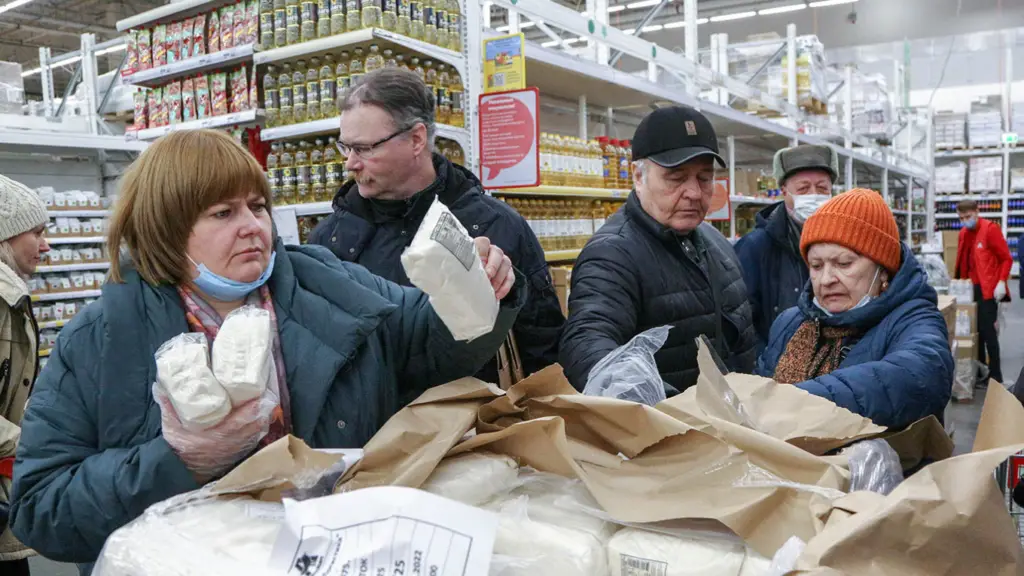
Families in Russia say that things they buy every day have gotten a lot more expensive lately. A Moscow ad expert saw his monthly food bill go up by more than 22% in just one month. Now, coffee, meat, vegetables, and basic groceries cost a lot more all over the country.
People say that prices have been going up steadily since the invasion of Ukraine began. Many people say that heavy government spending kept the effects on the economy hidden for years. Prices are going up now that wages aren’t keeping up with inflation in general.
Source: The Moscow Times/Website
Acceleration Of Price Growth Follows Early 2026 Spike
According to official data, prices at grocery stores went up by more than 2% in January alone. Prices went up for almost all basic goods, like meat, dairy, grains, and medicines. Fresh fruits and vegetables and basic household items are taking up more and more of people’s monthly budgets.
Since 2024, Russia’s statistical service has recorded food inflation of more than 18%. Costs are going up because the currency is getting weaker and import channels are being disrupted. Western sanctions and problems with the supply chain make those pressures even worse.
Import Reliance And Domestic Costs Drive Food Inflation
Russia relies a lot on fruits and vegetables that it buys from other countries. The rouble’s drop in value and problems with transportation directly raise retail prices. Recent studies found that the prices of fruits and vegetables went up by almost 15%.
Domestic pressures caused dairy prices to go up by more than 40% in 2 years. Farmers say that the cost of feed is going up, there aren’t enough workers, and loans are too expensive. The problems with local production show that Russia’s agricultural sector is having more problems as a whole.
Recommended Article: Xi Outlines Key Economic Tasks in New Policy Article Plan
VAT Increase Adds Immediate Burden To Consumers
This January, the national value-added tax went up from 20% to 22%. Officials from the government said that the increase is needed to pay for war-related costs. In all consumer sectors, higher taxes go straight into the prices of goods and services.
People who are retired or have low incomes feel the effects the most. Retirees say they spend all of their monthly pensions on food. Buying necessities takes the place of spending on clothes, repairs, or medical care.
Families Cut Back As Household Budgets Tighten Nationwide
Some people who live there say they have recently changed their diets to include cheaper proteins. Some people use their savings to pay for basic meals as grocery prices go up. Many families in cities can’t afford to eat out anymore. 2 years ago, food for 2 cost half as much as it does now.
More and more shoppers look for sales and figure out how much nutrition they get for their money. Their habits show that many people are becoming more careful with their money. Price sensitivity is very important when making everyday purchases.
Structural Risks Threaten Russia’s Economic Outlook
Earlier predictions said that Russia would have steady growth in the future. Economists are now saying that the economy may not grow or may even shrink this year. The oil markets are a big risk for national revenue.
Federal budgets depend on high crude prices, but prices around the world have gone down. Sanctions from the United States cut down on Russian oil sales to India by a lot. Lower exports could hurt the government’s income and make the expected budget deficits bigger.
Borrowing Constraints Raise Pressure For Further Cuts Or Taxes
High interest rates make it harder for the government to borrow money. Not many lenders are willing to give out loans during a war. Experts say that the government may think about raising taxes or cutting spending.
Cutting government spending would lower household incomes and slow down the economy. If energy revenues keep going down, economists say a recession is more likely to happen. Under the current circumstances, long-term stagnation is still a real possibility.
Household Hardship Grows As Inflation Undermines Living Standards
Economists say that Russia might be able to get by without growth for a while. But this kind of stability doesn’t bring much comfort to regular people. People are already feeling the effects of war on the economy in their wallets.
Prices for basic goods keep going up faster than wages across the country. Families say that their buying power is getting smaller every month. As the conflict’s economic costs rise at home, everyday life gets more expensive.