

Akal Takht Summons Rekindle Punjab’s Faith, State Tensions
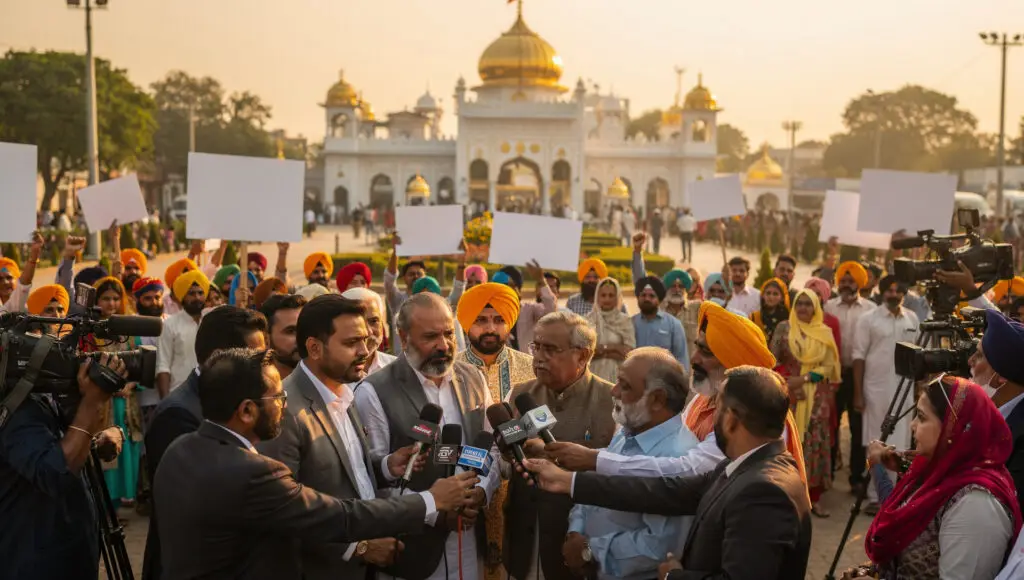
When Chief Minister Bhagwant Mann was called to testify, the relationship between religious authority and political power in Punjab came back into the spotlight. The Sri Akal Takht Sahib said that what he said hurt Sikh feelings.
Mann’s request to broadcast the proceedings turned a religious reprimand into a public political fight. The move sparked more discussion. Political issues quickly took over religious discipline.
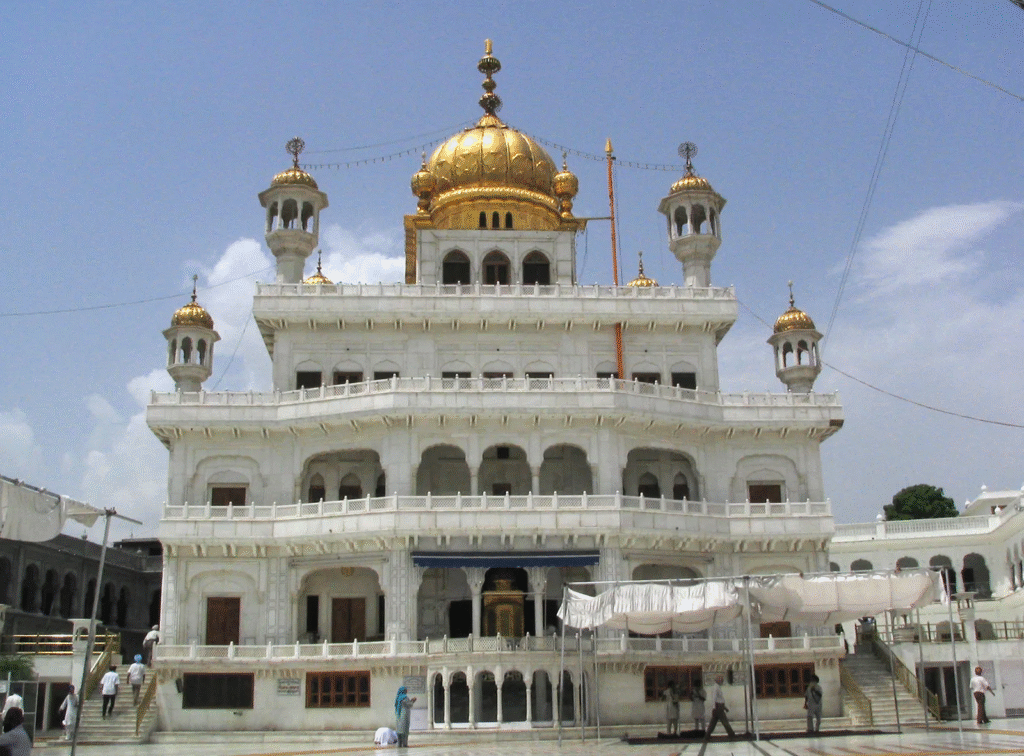
Source: Britannica
Accusations Widen Gap Between Religious Authority and State
The Akal Takht Secretariat said that Mann was questioning Sikh institutions and established religious practices. Daswandh was one of the references. Guru Ki Golak was also mentioned.
Claims of disrespect toward Sikh Gurus and Jarnail Singh Bhindranwale made the standoff even worse. These claims made people more sensitive. Religion became a political issue.
Religion and Identity Form The Political Scene in Punjab
This event is part of a pattern where religious issues take precedence over government and development issues. Sikh identity is still political. History makes people feel stronger.
In Punjab, faith is linked to shared memory, trauma, and political identity. People get angry when they think they’ve been wronged. Governments often respond by protecting themselves.
Recommended Article: Bangladesh Bids Farewell to Khaleda Zia Amid National Mourning
2015 Sacrilege Incidents Continue To Haunt State Politics
The 2015 Guru Granth Sahib sacrilege events are still a big deal in Punjab’s political memory. Protests turned violent. Two civilians died when police shot them.
Almost ten years later, unresolved accountability is still shaping the stories that are told during elections. Governments promised justice over and over again. Political divisions got even worse.
Religious Sensitivities Extend Beyond Punjab’s Borders
Recently, there were similar controversies in Delhi over comments that were supposedly made about Guru Tegh Bahadur. Accusations in politics grew quickly. Religious symbols became controversial.
Assembly Speaker Vijender Gupta called for a forensic investigation, but opposition leader Atishi said he did nothing wrong. BJP didn’t like what she said. She said that politics were distorted.
Faith-Based Disputes Influence National Political Discourse
These events show how quickly references to Sikh history can turn into political problems. Symbolic actions become more important. Political stories split people up quickly.
Religious discourse frequently transcends regional confines, impacting national dialogues. Feelings are still very strong. Political actors are very careful.
The Politics of Belief in Punjab Are About to Change in 2027
As Punjab gets closer to the 2027 assembly elections, issues related to faith bring up important political questions. It’s still unclear what voters care about most. Governance is at odds with identity politics.
The political future of Punjab will depend on whether development issues are more important than religious mobilization. The results of elections depend a lot. Stability depends on finding a balance between faith and government.