

Economic Pressures Drive Public Anger Across Iranian Cities
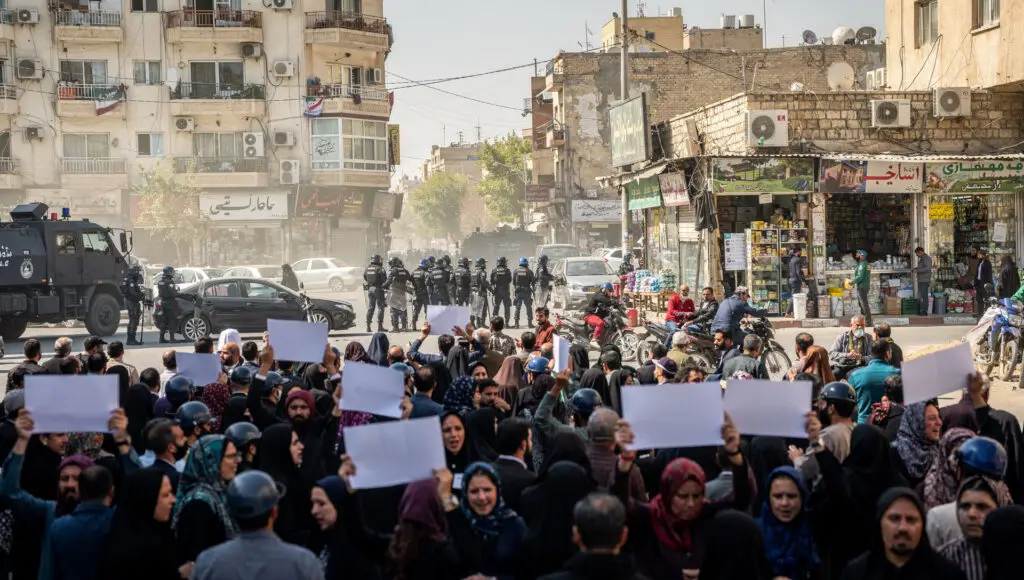
Masoud Pezeshkian said that the economy was getting worse as protests spread across the country after the currency fell sharply and the cost of living rose. Inflation is making it harder for people to buy things, and wages aren’t keeping up with prices that are going up quickly. The government admits that economic problems are causing protests that go beyond just political issues.
Officials say that years of poorly managed sanctions and weak structures have made it hard for the economy to grow and stay stable. The recent drops in currency value made shortages worse and caused people in cities to panic buy. These conditions made it easy for a lot of people to get together and protest.
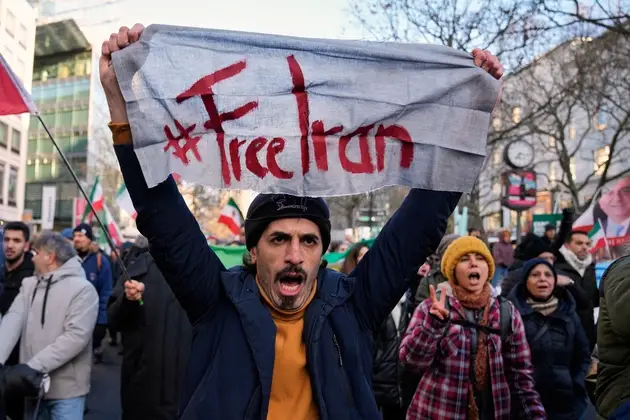
Source: Politico
Conciliatory Tone Contrasts With Firm Security Messaging
In an interview on state television, Pezeshkian took a conciliatory tone, stressing the importance of talking to people and addressing their concerns. He said that the government is willing to listen to complaints and work toward a fair distribution of resources. This message is meant to calm things down while still showing that people are open to change.
At the same time, the president warned against violence and chaos, calling some of the people involved rioters or terrorists. He told families to keep their teens from doing things that would hurt them. This two-pronged approach tries to keep peaceful protests and security threats apart.
Government Blames Foreign Actors For Escalating Unrest
Pezeshkian said that the US and Israel were causing trouble by controlling parts of the unrest. He said that trained operatives were using protests to make the country less stable. These accusations fit with long-held stories that blame outside interference.
Officials say that foreign pressure campaigns happen at the same time as economic shocks and information warfare. State-run media stressed the need for national unity against what they saw as outside threats. This framing tries to get people to support it while also justifying security measures.
Recommended Article: Iran Protests Grow as Economic Crisis Deepens Nationwide
Currency Collapse Intensifies Economic And Political Crisis
The crisis started when Iran’s currency dropped sharply in late December after a long period of economic stress. Devaluation made inflation worse, which made the prices of food, energy, and housing go up. At first, protests were about prices, but they soon grew to include political demands.
Analysts say that unstable currencies make people less confident in how the government works and what the future holds. As savings disappear, people from all walks of life become more and more angry. This change turned protests against the government into protests against the economy.
Comparisons Drawn To Past Protest Movements
People are comparing the current unrest to the protests that happened after Mahsa Amini died in custody in 2022–2023. Both movements combined complaints about the economy with calls for accountability and respect. Authorities now have to deal with the same problems that come with public anger.
Officials say that this time they learned their lesson and are putting conversation first. But the heavy police presence and internet restrictions are the same as before. These similarities make us wonder about the chances of a long-term deescalation.
Security Casualties And Contested Death Tolls Emerge
State media said that more than 100 security personnel were killed when they fought with protesters. Officials stress the sacrifices made by the troops who are trying to restore order. Opposition activists say that more people died overall, including many protesters.
It’s still hard to verify things independently because of blackouts and restrictions on information. This lack of clarity leads to distrust and conflicting stories. People in the US and around the world see numbers in different ways.
Outlook Hinges On Reforms Trust And Restraint
Pezeshkian promised fair distribution no matter what faction, ethnicity, or region they were from, which showed that he wanted to include everyone in the economy. The speed at which trust can be rebuilt will depend on how credible the implementation is. If there is openness, meaningful reforms may help ease the pressure.
But more crackdowns, internet shutdowns, and harsh warnings could make the opposition even stronger. Without real economic help, unrest may continue or get worse. The next few weeks will show if promises of reform lead to stability.